
Louisiana Car Accident Claims | New Orleans
Do Louisiana Car Accident Claims Go to Trial?
Most cases never reach a courtroom, but the steps taken early can shape how a claim unfolds. Here is what to expect and how to prepare.
By Przemek Lubecki · Published November 11, 2026
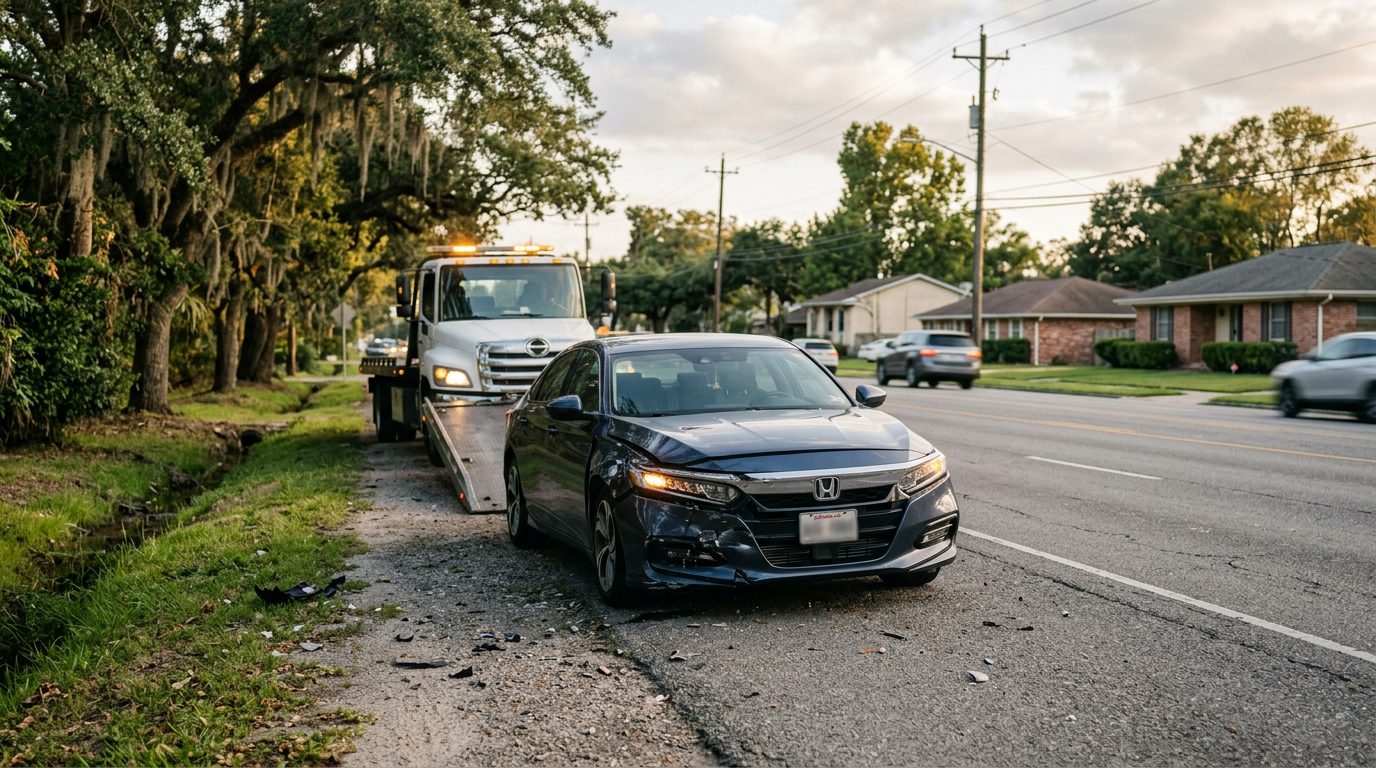
If you were hurt in a car crash, or you are helping someone who was, you may wonder whether the claim will end in a courtroom. Most car accident claims in Louisiana are resolved before a trial begins. A trial happens only when a lawsuit is filed and the case cannot be resolved first.
Whether a particular claim settles or reaches trial depends on the facts. Those facts include the injuries, who was at fault, the insurer’s position, and the evidence available. Here is how these claims usually move, and where a trial fits in.
Most car accident claims in Louisiana settle before trial
Most claims are resolved through talks with the insurer, not in a courtroom. These talks often happen through letters, phone calls, and written offers. Some claims are resolved through mediation or a settlement conference, which are meetings aimed at an agreement without a trial. Both can happen before any trial date is set.
Trial is the exception. It follows when a lawsuit is filed and the parties cannot reach an agreement. It is not the usual next step after a crash, even when injuries are serious.
A crash is disruptive. You may be dealing with pain, car repairs, a rental car, and missed work all at once. Knowing the general path can make the next steps less confusing. Each claim has its own history, so the path can differ from one case to the next.
If you are weighing a claim for someone you care about, our team can talk through the facts with you in a free, confidential, no-obligation first consultation. Talk it through with our team — the first consultation is free, confidential, and carries no obligation.
How a claim usually moves before anyone files suit
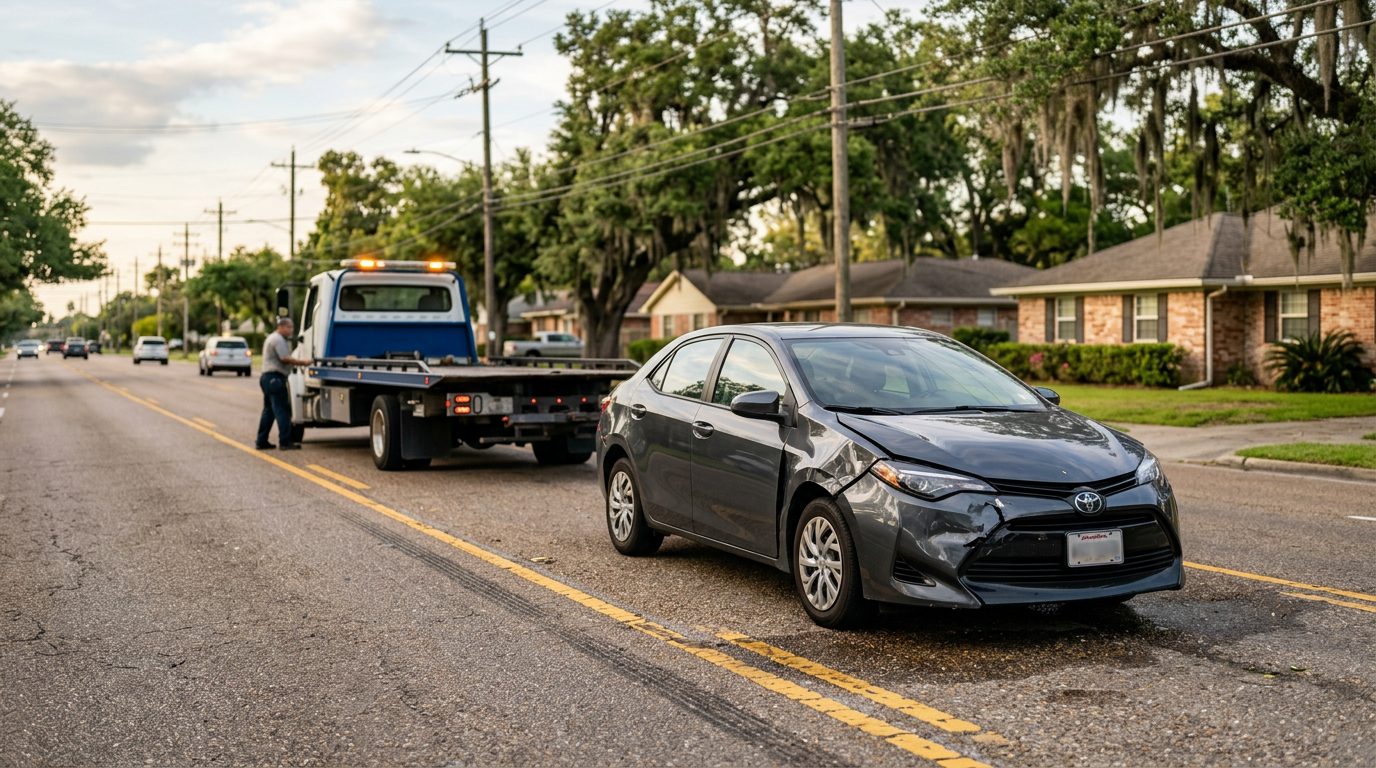
Before any lawsuit, a claim usually moves through a few steps. Those steps are reporting the crash, gathering proof, presenting the claim in writing, and reviewing the insurer’s response.
Start with the crash report. Louisiana treats crash reports as confidential. They are available on request only to the parties to the crash, parents or guardians of a minor party, their insurers, or an insurance support organization under contract to provide claims and underwriting, healthcare providers who treated a party, succession representatives, attorneys, and news-gathering organizations requesting documents about a specific crash, within seven working days after the investigation is complete. La. R.S. 32:398 Police shall provide copies of crash photographs, video, and audio recordings to any interested person upon request, and may charge a reasonable fee for those copies. La. R.S. 32:398
Next, gather photos of the vehicles, the names of witnesses, and repair estimates. Keep every bill and record from the emergency room, your doctor, and the pharmacy.
Insurer requests for information are a normal part of this stage. It is reasonable to ask what they need and why they need it.
Why insurance investigations often take a long time
Insurance investigations often take a long time because the insurer needs complete information before it can judge a claim. A typical review checks coverage, reads the police report, requests medical records, looks at the injuries and treatment, and examines who was at fault.
Each step can wait on documents from someone else, such as a hospital, a repair shop, or a police agency. A missing record can hold up the whole file. Each record request can take time, so the file may sit idle while it is pending.
Timing also follows treatment. Injuries often need time before a doctor can judge how they will heal, and insurers usually want that picture before they evaluate a claim. Serious injuries and disputed fault tend to add more steps, because more records and questions are involved.
Ask your medical providers early for complete records and itemized bills. Keep copies of everything you send and receive.
What happens when a car accident claim goes to court
When a claim goes to court, a lawsuit is filed, the defendant is served, and the case moves into discovery. Discovery is the stage where each side gathers information from the other.
Discovery can include written questions, requests for documents, depositions (recorded questions and answers given under oath), and medical examinations where the rules allow. Pretrial motions ask the judge to decide certain issues before trial. Many cases still settle during or after discovery.
If a case goes to trial, a judge or a jury may hear it. Listed exceptions apply. La. Code Civ. Proc. art. 1732
At trial, each side presents evidence and witnesses. Witnesses are questioned by the other side, which tests their answers. Then each side gives closing arguments. A trial is a formal process, and its result cannot be predicted in advance.
The New Orleans office may associate or refer a case to other law firms.
The Louisiana filing deadline and why timing matters
For injuries sustained after July 1, 2024, Louisiana generally gives two years from the day of injury to file a delictual (tort) action. The period starts on the injury date, not when the insurer finishes its review. La. Civ. Code art. 3493.1
Accidents before July 1, 2024 may follow different timing rules, so the accident date matters. Check that date early and keep it in your records. Missing a deadline can end a claim, so the date deserves attention from the start.
Other claims, such as wrongful death, can follow different timing, so they need a separate review.
How fault can affect whether a claim settles or proceeds
Louisiana reduces recovery by the injured person’s share of fault, and for injuries on or after January 1, 2026, a share of 51% or more bars recovery. This shared-fault rule is called comparative fault (La. Civ. Code art. 2323).
Injuries that occurred before January 1, 2026 may be subject to different fault rules, so these cases are worth reviewing with a lawyer. La. Civ. Code art. 2323
Disputed fault is a common reason claims take longer. Drivers may tell different stories about who had the right of way or who changed lanes. When accounts conflict, insurers and the parties often spend more time on the evidence.
That evidence often includes the police report, crash data, witness statements, and photos. A percentage of fault is decided on the facts of each crash. No one can estimate it from general information.
Not sure what your next step is?
Talk it through with our team — the first consultation is free, confidential, and carries no obligation.
Settling versus going to trial, and what you keep
The amount in a settlement or a verdict is not always the amount an injured person keeps. Medical bills and other costs can take a share of that amount.
Under Louisiana law, when a health insurer or Medicare paid medical bills to a contracted provider, recovery of those expenses is limited to the amount actually paid, plus cost-sharing amounts. It is not limited to the amount billed. La. R.S. 9:2800.27
Settling and going to trial each carry trade-offs. A settlement may end the matter sooner. A trial usually takes more time and adds uncertainty about the result. Weigh each offer with the full picture in view.
Any fee is set out in writing in your fee agreement. You may be responsible for case costs and expenses in addition to the fee.
If you are helping someone through a Louisiana car accident claim
If you are helping a family member or friend, you may be handling insurance calls, medical visits, and deadlines for them. Writing down dates, names, and phone calls as they happen can help you keep track.
Przemek Lubecki is the responsible lawyer for the content on this page. The New Orleans office serves Orleans Parish, the New Orleans metro area, and Louisiana.
Does a car accident claim go to trial in Louisiana?
Usually not. Most car accident claims are resolved before a trial begins, and a trial follows only when a lawsuit cannot be resolved first.
Does a judge or a jury decide a Louisiana car accident case?
Can I get a copy of the crash report?
Yes. Yes. The parties, their insurers, or an insurance support organization under contract to provide claims and underwriting, and their attorneys can request it, along with parents or guardians of a minor party, healthcare providers who treated a party, succession representatives, and news-gathering organizations requesting documents about a specific crash, and it is made available only to those persons within seven working days after the investigation is complete.
Reading this for someone you love is hard, and you don’t have to work through it alone. Office in New Orleans: call 855-LUBECKI or request a free case evaluation for a free, confidential initial consultation with no obligation to continue.
What Shapes the Path of a Claim
Early evidence
Crash reports, photos, witness details and medical records often matter most in the first weeks after a collision.
Insurance communication
Adjusters may ask for recorded statements. Speaking with a lawyer first can help you avoid giving incomplete information.
Who handles your case
Przemek Lubecki leads the firm's work from its New Orleans office. American Trial Lawyer may associate or refer a case to other law firms.
Readiness for court
Preparing a case as if it may be tried can give you a clearer view of your options if settlement talks stall.
Before You Accept Any Offer
Do not sign a release or accept a settlement until you understand what it covers. Once you agree, the claim is often closed for good.
Questions People Often Ask
How often do these cases go to trial?
Most car accident claims are resolved before a trial begins. A trial becomes necessary only when a lawsuit cannot be resolved another way.
Can I get a copy of the crash report?
Crash reports are usually available through the agency that prepared them. A lawyer can help you request and review it.
What if the other driver was uninsured?
Coverage questions can change how a claim proceeds. Bring any policy information and the crash details to your consultation.
Do I have to go to court?
Many claims settle without court appearances. Your lawyer will explain each step before you make a decision.