

Wrongful Death · Jefferson Parish, Louisiana
Losing someone you love is hard enough. Let a trial lawyer carry the legal weight.
Przemek Lubecki represents Jefferson Parish families in wrongful death cases from the firm's New Orleans office. Your first consultation is confidential and carries no obligation to continue. You may be responsible for case costs and expenses in addition to the fee.
By Przemek Lubecki · Published October 20, 2026
A Louisiana wrongful death lawsuit lets certain surviving family members seek damages after a person dies because another party was at fault. This page explains who can bring that claim, what it can cover, how the process usually moves and which deadlines matter. It is written for families in Jefferson Parish, Metairie and Kenner who are dealing with a loss and have questions they may not be ready to act on yet.
What a wrongful death claim is and who it is for
A wrongful death claim is a lawsuit brought by surviving family members after a death caused by another person’s fault. Louisiana law says that if a person dies due to another’s fault, suit may be brought by listed relatives. The claim covers damages they sustained because of the death (La. Civ. Code art. 2315.2). The article lists them in order. A surviving spouse and children come first. If there is no spouse or child, the surviving father or mother, or either of them, may sue, unless a parent abandoned the deceased during his minority. Then come siblings, and then grandparents.
Adoptive relationships count under the same article.
This page serves families whose loved one died in a truck, commercial vehicle, car, rideshare or motorcycle crash. It also serves families whose loved one died after a serious brain injury or in a negligent security incident. Many families read this while planning a funeral. The questions can wait until you’re ready to ask them.

If you're handling a funeral, paperwork and grief after a crash or another incident, you don't have to sort out the legal questions alone. Talk it through with our team — the first consultation is free, confidential, and carries no obligation.
What a Louisiana wrongful death claim can cover
Damages in a wrongful death case cover losses the family suffered because of the death. Louisiana law says those damages may include loss of consortium, service and society. The same family members who could sue for wrongful death may recover them (La. Civ. Code art. 2315). In plain terms, that can mean the loss of a loved one’s companionship, support and daily presence.
Families often ask about these points:
- Future medical costs. The same article says damages do not include future medical treatment costs. The exception is treatment directly related to a manifest physical or mental injury or disease.
- Medical bills already paid. When health insurance or Medicare paid a contracted provider, recovery of medical expenses is limited to the amount actually paid, plus cost-sharing amounts. It is not the amount billed (La. R.S. 9:2800.27).
- Comparative fault. Under La. Civ. Code art. 2323, if the degree or percentage of negligence attributable to the person suffering injury, death, or loss is equal to or greater than fifty-one percent, that person shall not be entitled to recover damages. A lower share of fault reduces damages in proportion to that share, but if the other fault is that of an intentional tortfeasor, the claim is not reduced (La. Civ. Code art. 2323).
- Funeral costs. Whether funeral expenses fit into a particular claim depends on the facts. The firm can review them with you.
- The judge or jury’s role. Louisiana law leaves much discretion to the judge or jury in assessing damages (La. Civ. Code art. 2324.1).
Common fatal crashes and incidents in Jefferson Parish, Metairie and Kenner
A wrongful death lawsuit in Jefferson Parish can grow out of several kinds of incidents. The firm handles truck accidents, commercial vehicle accidents, car accidents, rideshare accidents, motorcycle accidents, brain injury cases and negligent security cases. Families in Jefferson Parish, Metairie and Kenner can bring these concerns to the firm’s New Orleans office.
- Truck and commercial vehicle crashes. A fatal collision with a big rig or company vehicle can involve more than one party (IIHS large truck fatality data). Louisiana law makes masters and employers answerable for damage caused by their servants in the functions in which they are employed, but only when they might have prevented the act and did not do so (La. Civ. Code art. 2320).
- Car, rideshare and motorcycle crashes. These claims can involve the driver, a passenger or another motorist.
- Brain injury. Some deaths follow a serious head injury from a crash or another event.
- Negligent security. A fatal assault may raise questions about whether a property owner or manager provided reasonable protection.
The firm may associate or refer a case to other law firms. Where a case gets filed turns on where the incident happened and where the parties are located.
How a wrongful death claim works, step by step
A typical claim moves from a first conversation to evidence gathering, then to the insurers, and to a lawsuit if a fair resolution isn’t reached. Here is what that can look like.
- First conversation. You describe what happened. The firm reviews who may be responsible and which family members may have a claim.
- Evidence gathering. Crash reports, photos, vehicle data, witness details, medical and work records, and surveillance footage can all matter. Louisiana crash reports are confidential. They go to the parties, insurers, and the attorneys for the parties or succession representatives. On request, they must be made available only to the parties to the crash, parents or guardians of a minor who is a party, insurers or insurance support organizations under contract, healthcare providers, succession representatives or attorneys for the parties, and news-gathering organizations, within seven working days after the crash investigation is completed (La. R.S. 32:398).
- Identifying responsible parties. This may include drivers, employers, vehicle owners, property owners or security contractors.
- Presenting the claim. Louisiana law directs the investigating officer to instruct the driver of each vehicle involved in a reportable crash to report the name of the vehicle’s liability carrier, along with the name, address and telephone number of the insurance agent who procured the policy, to all parties suffering injury or property damage as an apparent result of the crash (La. R.S. 32:398). Negotiation follows where it makes sense.
- Filing suit. If a fair resolution can’t be reached, a lawsuit may be filed and the case moves toward trial.
Timelines vary with each case and each court’s schedule. No one can promise a timeline or an outcome.
Why deadlines matter and why early review helps
Louisiana sets filing deadlines, called prescriptive periods, for wrongful death and survival claims. A missed deadline can stop a claim from going forward. Here are the main rules.
- Wrongful death. The action prescribes one year from the death or two years from the day the injury or damage is sustained, whichever is longer (La. Civ. Code art. 2315.2).
- Survival claims. The deceased person’s own claim follows the same one-year or two-year rule (La. Civ. Code art. 2315.1), except that the prescriptive period for medical malpractice survival actions is governed by R.S. 9:5628.
- Medical malpractice. A wrongful death action for medical malpractice prescribes one year from the death.
- General injury claims. Louisiana’s general deadline for delictual actions is two years from the day injury or damage is sustained (La. Civ. Code art. 3493.1).
Early review helps because evidence can be lost or overwritten over time. Vehicle data, surveillance footage and witness accounts are examples. A first conversation is a practical place to sort out which of these periods may apply to your family’s situation.
Why families work with American Trial Lawyer in New Orleans
Trial lawyer Przemek Lubecki is the responsible lawyer for this page. American Trial Lawyer, LLC represents people seriously hurt in crashes and families in wrongful death cases. The firm’s New Orleans office handles these matters, and families in Jefferson Parish, Metairie and Kenner can reach that office. The firm also has an office in Park Ridge, Illinois.
Families can expect:
- Plain-language explanations of each step, without legal jargon they don’t need.
- Careful attention to the crash report, medical records and other documents they already have.
- Steady communication through a hard stretch, with questions answered as they come up.
Not sure what your next step is?
Talk it through with our team — the first consultation is free, confidential, and carries no obligation.
Free first consultation: what it includes and what it costs
The first consultation is free, confidential and without obligation to continue. You may owe case costs and expenses in addition to any fee. Fee terms are described in the fee agreement you review before representation begins.
During the consultation, the firm can review what happened, which family members may have a claim, and which deadlines may apply. The firm may associate or refer a case to other law firms.
Frequently asked questions about wrongful death claims in Jefferson Parish
Can a parent file a wrongful death lawsuit in Jefferson Parish after an adult child dies?
Yes, if the adult child left no spouse or child, and the father or mother did not abandon the child during the child’s minority, since a parent who abandoned the child is deemed not to have survived him. Louisiana law then lets the surviving father or mother, or either of them, sue (La. Civ. Code art. 2315.2).
Do we have to file in a specific parish?
Where a case gets filed turns on the incident location and where the parties are located. A lawyer can review that with you.
Does a police report matter?
Crash reports can be an important part of the review. Succession representatives and attorneys for the parties can request them (La. R.S. 32:398).
Will we have to go to court?
Some claims resolve without a trial. Others go forward toward trial. The path is decided case by case.
Is the first conversation a commitment?
No. The conversation is confidential, and you decide what happens next.
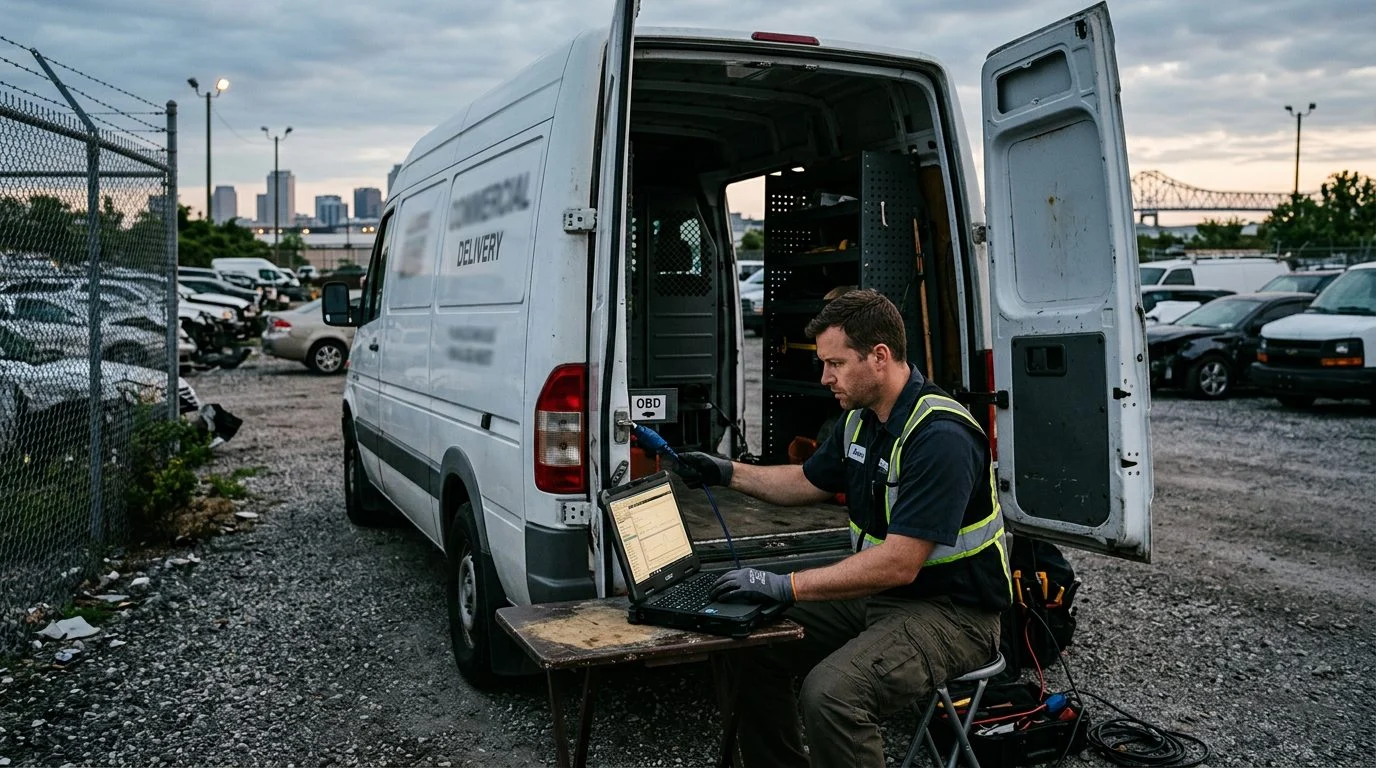
Talk with our team about your family’s situation
If you’re handling a funeral, paperwork and grief after a crash or another incident, you don’t have to sort out the legal questions alone. Our team can talk with you about what happened and which family members may have a claim. To begin, request a case evaluation or call 855-LUBECKI to reach the New Orleans office.
What Jefferson Parish families can expect from our office
A respectful, private conversation
We listen first. You can share what happened at your own pace, and the conversation is confidential.
Clear, plain-language guidance
We explain the legal steps in everyday terms so you always know what is being decided and why.
A New Orleans office serving Jefferson Parish
Our office is in New Orleans, a short drive from Metairie, Kenner and the rest of Jefferson Parish.
Trial-focused representation
Przemek Lubecki is a trial lawyer, and our team prepares every case as though it may be tried before a jury.
Act quickly to protect the evidence
Crash reports, medical and billing records, photographs, phone data and the names of witnesses can be lost or overwritten over time. Keep anything you have, and do not discuss fault with insurance adjusters before speaking with a lawyer.
How we approach a wrongful death case
Understanding the loss
We help you describe the person you lost and the impact on your family, including the practical and emotional effects.
Gathering the facts
We review the crash or incident, collect records and work with the evidence needed to explain what happened.
Deciding the path forward
We discuss the options with you, including whether to pursue a claim and how the case may proceed.
Working toward resolution
Whether a case settles or goes to trial, we keep you informed and prepared at every stage.
Have questions about what happened?
Ask our team directly. The first conversation is free, confidential, and there is no obligation to continue.