
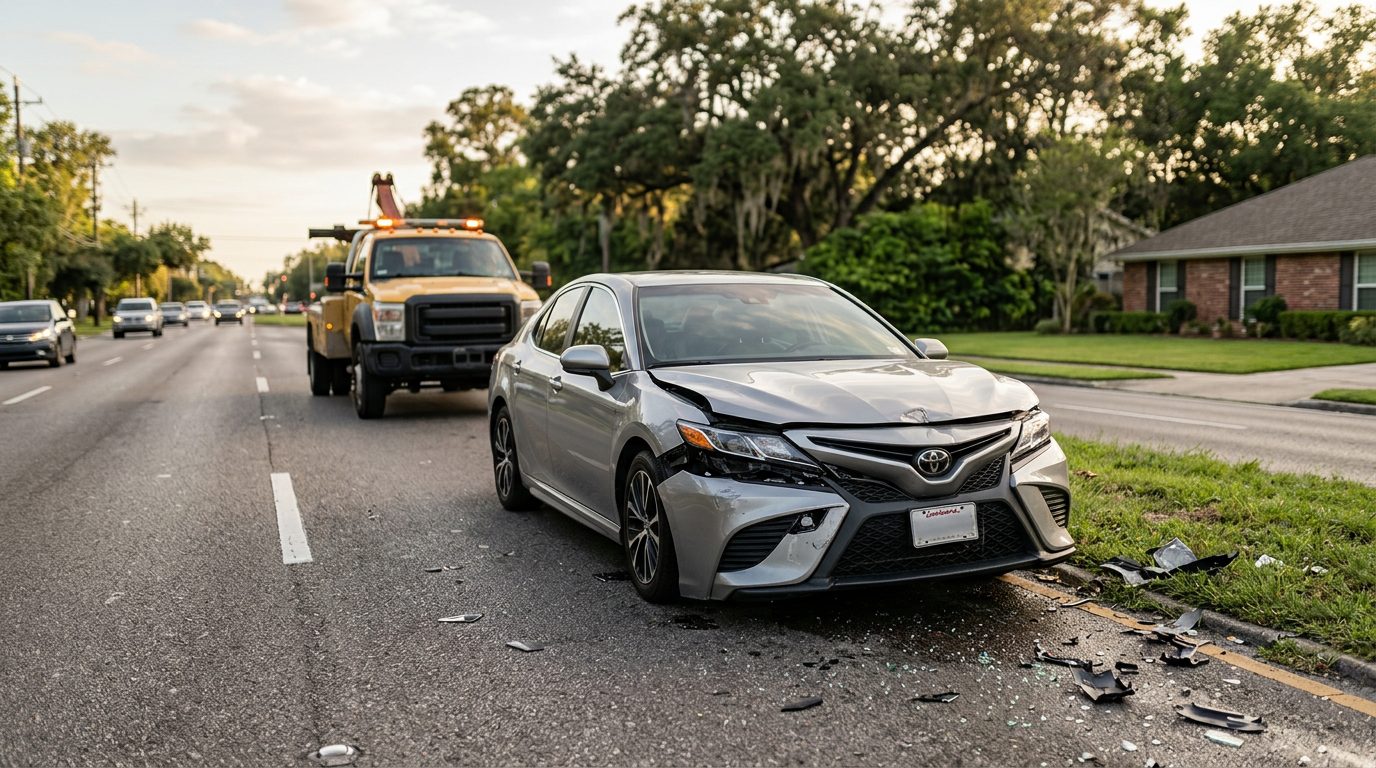
Truck Accidents | New Orleans
Evidence to Protect After a Fatal Truck Crash in New Orleans
Losing someone in a truck crash is overwhelming. This checklist covers the evidence families often ask about first, so important details are not lost while you focus on your loved one. Przemek Lubecki and the team at American Trial Lawyer are available to talk with you.
By Przemek Lubecki · Published November 5, 2026
Evidence After a Fatal Truck Crash in New Orleans: A Family Checklist
If your family is still waiting on records, vehicles or calls from an insurer, you don't have to face that alone. Our New Orleans office is ready to talk. Talk it through with our team — the first consultation is free, confidential, and carries no obligation.
Why Evidence Matters So Early After a Fatal Truck Crash
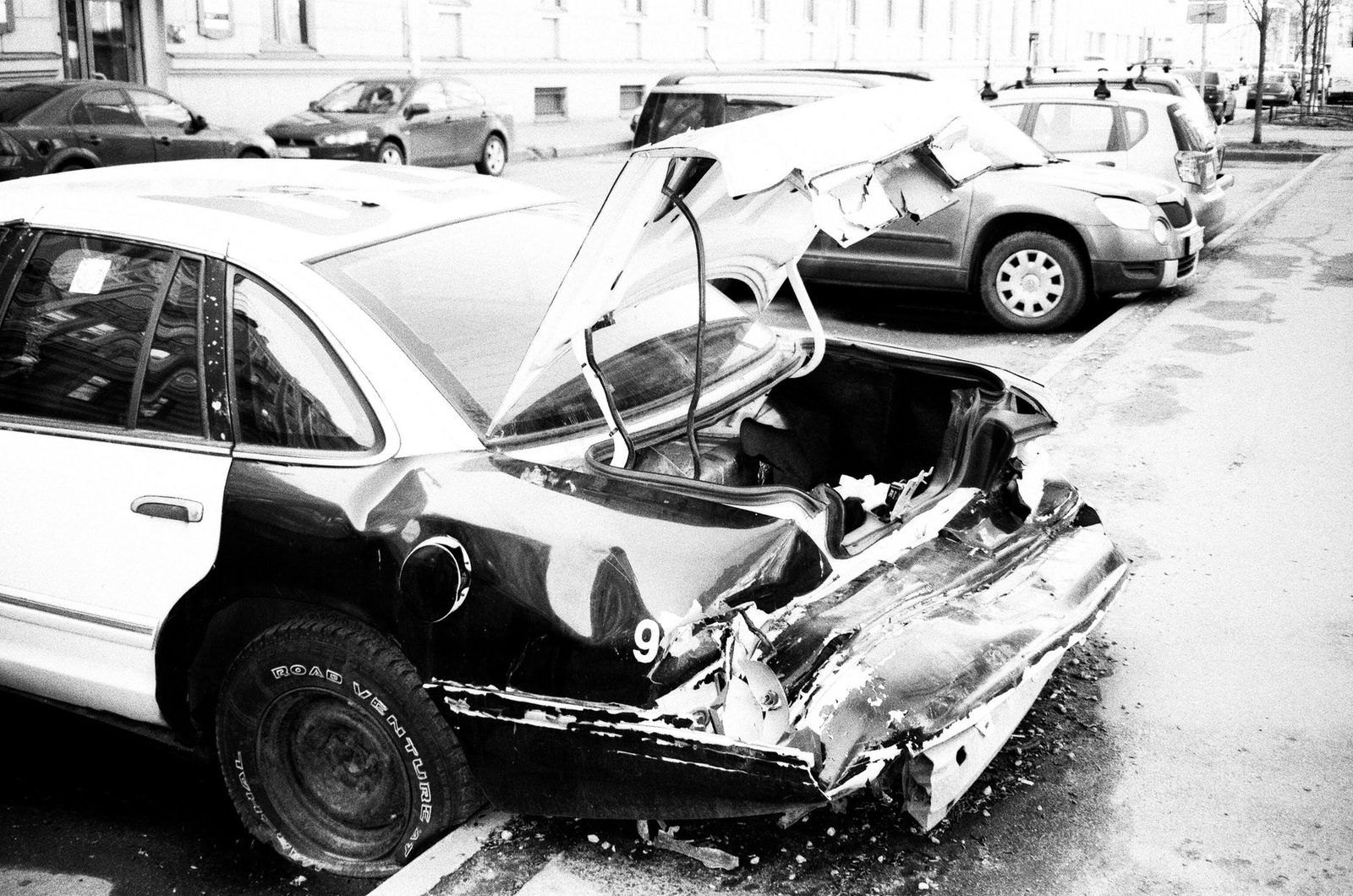
The most useful evidence after a fatal truck crash usually includes the police crash report, scene photos and video, witness names, medical and coroner records, the truck’s driving and maintenance records, and the vehicles themselves. Some of it sits with police. Some sits with the trucking company. Some sits with your family, and some can disappear quickly.
If you are looking into evidence after a fatal truck crash in New Orleans, you may be doing it while grieving. You may be handling this for a parent, spouse, sibling or adult child. That is hard, and most families have never dealt with a claim before.
This checklist covers the categories families most often need to think about. The evidence that matters most depends on the facts of the crash. Still, organizing early helps. Records are held by different people, some are kept only for set periods, and some are lost if no one asks for them.
The Police Crash Report and Official Investigation Records
The police crash report is the official record of the crash, and it is usually the first document families ask about. Louisiana law keeps crash reports confidential, but listed people may request them. Those people include the parties and their attorneys. La. R.S. 32:398 says that, upon request, the reports must be made available within seven working days after the crash investigation is complete.
A crash report can include diagrams, witness information, citations and the officer’s observations. Each of these may matter later. The same statute says state police, local police departments, and sheriff’s offices may charge up to $5 for a report of two pages or less, and up to $20 for longer reports, inclusive of all service fees and other charges. Crash photos, video and audio can also be requested, and agencies may charge a reasonable fee for copies.
Ask early. Write down the report number, the agency that responded and the date of the crash. Keep every copy you receive. This page’s responsible lawyer is Przemek Lubecki, and the firm’s office is in New Orleans.
Coroner, Death Certificate and Medical Records
Coroner or medical examiner records, the death certificate and hospital or emergency room records describe how and when the death happened. They can matter when the crash facts are disputed or when injuries are described in different ways. Ask each office for its own copies, and note what you requested and when.
Some offices ask family members to show their legal relationship to the person who died before they release records. Bring identification and papers that show your relationship, such as a marriage or birth certificate.
Keep every medical bill and record you receive, even the ones that look routine. A transport bill, a pharmacy receipt or a hospital discharge note can help later. Keep them in one folder, in date order. Don’t throw away envelopes or cover sheets, because they show dates and sources.
Scene Photos, Video and Witness Information
Photos, video and witness names from the scene can be the most time-sensitive evidence. Start with what is already on phones. Photos and videos taken by people at the scene, dashcam footage from other vehicles and surveillance video from nearby businesses may all be useful. Many camera systems record over old footage, so ask for copies promptly.
Save the original files. A screenshot or a forwarded copy may lose the time stamp and file details. Back up phone photos to a second device or account you control.
Write down the names and phone numbers of anyone who saw the crash. Note what each person says they saw, as soon as you can. Memories change over time, and notes made close to the event are easier to rely on. Scene photos can show the road, lighting, weather, debris and where the vehicles came to rest.
Commercial Truck and Carrier Records
Trucking companies and drivers keep many records about the trip, the driver and the truck. Some are kept only for set periods, which is one reason an early written request matters. A written request asks the carrier to keep what it has. Families usually can’t get these records on their own, so a lawyer often sends the request.
Driver logs are a key example. 49 C.F.R. § 395.8 requires a motor carrier to have each covered driver record duty status for each 24-hour period, except for a private motor carrier of passengers (nonbusiness). The record can be kept on an electronic logging device, or manually on a grid where the rules allow it, such as for a commercial motor vehicle that was manufactured before model year 2000, as reflected in the vehicle identification number on the vehicle’s registration. Drivers must keep copies of the previous seven consecutive days.
The driver qualification file is another key record. 49 C.F.R. § 391.51 requires a motor carrier to maintain a file for each driver it employs. The file can include the driver’s motor vehicle record and medical examiner’s certificate.
After certain crashes, alcohol testing rules apply. Under 49 C.F.R. § 382.303, after a crash involving a commercial motor vehicle operating on a public road in commerce that caused a death, the employer must test for alcohol, as soon as practicable, each of its surviving drivers who was performing safety-sensitive functions with respect to the vehicle. If a test is not given within two hours, the employer must keep a record of the reasons.
Some records have shorter retention periods. 49 C.F.R. § 396.21 requires a periodic inspection report to be kept for fourteen months from the inspection date. Alcohol collection records must be kept for at least two years under 49 C.F.R. § 382.401. Records may also be kept electronically, as long as they stay accurate and can be reproduced later, under 49 C.F.R. § 379.7.
Not sure what your next step is?
Talk it through with our team — the first consultation is free, confidential, and carries no obligation.
The Vehicles and Parts After the Crash
The truck, the trailer and any damaged parts can be physical evidence. Physical evidence such as broken glass, paint and other trace materials should be recognized and preserved.
Ask that vehicles not be repaired, sold or scrapped while the claim is being reviewed. Write down where each vehicle is stored, along with the lot’s name and phone number. Vehicles often move. Tow yards and storage lots may charge fees for each day a vehicle stays, so waiting can get expensive.
Keep a record of every call or letter about the vehicles, from insurers, tow operators or the carrier. If you have loose parts or vehicle paperwork, keep them together and tell the person holding them that you want them kept.
Records That Show the Decedent’s Life and Losses
A wrongful death claim can involve the financial side of a family’s loss. Income records help show it. Pay stubs, tax returns, employment records and benefit statements show what the person earned and what benefits were received. Keep them together in one place.
Household help matters too. Childcare, home repairs, meals, rides and caregiving are real contributions. Calendars, receipts, texts and family notes can help describe them. Ask relatives who knew the person’s routine to write down what they remember while it is fresh.
Funeral and burial receipts are also important. Keep every one, along with any payment confirmations, even if another relative paid. Store them with the other records so nothing is lost.
Phone, Text, Social Media and Insurance Communications
Keep messages, voicemails, emails and social media posts related to the crash, the person who died and the other people involved. Don’t delete them, even if they are painful to read. Deleted messages can be hard to recover.
Avoid posting about the crash, who was at fault or the other driver online. Public posts can be used later in a claim. Ask close family members to do the same.
Keep a log of every call and letter from an insurance company or adjuster. Write the date, the caller’s name, the company and what was said. Keep copies of all letters. Talk with a lawyer before you answer detailed questions about the crash.
Louisiana law also covers copies of statements. La. R.S. 13:3732 says a person who takes a written, recorded or transcribed statement from an injured person must provide a true copy when asked. The statute also lets the person’s personal representative request a copy. The copy must be provided within twenty days after written demand.
Time-Sensitive Steps and Working Through the Claim
Louisiana wrongful death claims have filing deadlines, and they are strict. Under La. Civ. Code art. 2315.2, the right of action prescribes one year from the death or two years from the day the injury or damage is sustained, whichever is longer. Don’t rely on a date you remember. Ask a lawyer to check the timing for your family’s facts.
The same article lists who may sue. A surviving spouse and children come first. If none survive, the parents may sue, then siblings, then grandparents. Each group applies only when the closer group does not survive.
Some families reach an agreement before a lawsuit is filed. Others need to file suit. Some claims involve more than the driver, such as the company that operated the truck. Our truck accident page and wrongful death page explain those claims in more detail.
American Trial Lawyer may associate or refer a case to other law firms when that is appropriate.

Talk With a New Orleans Wrongful Death Lawyer About Your Family’s Situation
A conversation can help your family sort out which records matter most for your situation. Gathering this evidence while grieving can feel like one more weight. You don’t have to sort through records, vehicles and insurance calls alone.
Przemek Lubecki is the responsible lawyer for this page. The firm’s office is in New Orleans, and it serves families in Orleans Parish and the wider New Orleans area.
How long does a family have to file a wrongful death claim in Louisiana?
Louisiana law says the right of action prescribes one year from the death or two years from the injury, whichever is longer, except that for medical malpractice actions it prescribes one year from the death. Ask a lawyer to check the timing for your facts.
Can a family get the police crash report?
Listed people, including the parties and their attorneys, may request it. Under state law, upon request, the report must be made available to the listed persons within seven working days after the investigation is complete.
Who can bring a wrongful death suit in Louisiana?
The surviving spouse and children come first. If none survive, parents, then siblings, then grandparents may sue, in that order.
If you’re ready to talk about your family’s situation, call 855-LUBECKI or request a free case evaluation. The first consultation is free, confidential and without obligation.
Why early evidence matters
Details can change quickly
Trucks are moved, repaired and returned to service. Photos, records and witness names gathered early help keep the scene and the facts clear.
Records come from many sources
Crash reports, driver logs, maintenance files and cargo paperwork may sit with different agencies and companies. Knowing what exists helps families ask the right questions.
Careful preservation
Asking that key items be kept, such as the truck and its electronic data, can help protect information that may be needed later.
Support for your family
You do not have to sort out the evidence alone. Our team can help organize the information while your family grieves.
A practical checklist for families
1. Write down what you know
Note the date, time, location, weather and road conditions. Record the names of anyone who saw the crash, along with their phone numbers if you have them.
2. Save photos and videos
Keep any pictures, dashcam footage or cell phone video from the scene or nearby. Save original files rather than edited copies.
3. Request the police crash report
Ask the investigating agency for the crash report and note the report number. Keep copies of every version you receive.
4. Keep medical and funeral records
Collect hospital, EMS and coroner paperwork, along with receipts for funeral and related expenses. These records help document what your family has been through.
5. Preserve personal items
Keep the victim's phone, belongings and any damaged items from the vehicle. Do not repair, discard or sell them without first speaking with a lawyer.
6. Limit public posts
Avoid posting about the crash, the driver or the case on social media. Statements made online can be used in later discussions.
Important: act with care, not alone
Some evidence in truck cases, such as electronic logs and company records, can be altered or removed if no one asks for it to be kept. Avoid speaking with the trucking company or its insurer about fault before you have spoken with a lawyer. Your first consultation with American Trial Lawyer is free, confidential and without obligation. Przemek Lubecki may associate or refer your case to other law firms; if that happens, you will be told.
Talk with Przemek Lubecki about your family's next steps
Related practice areas
- Wrongful Death Claims in New Orleans: What Families Need to Know
- How Families Get the Police Crash Report and Coroner Records After a Fatal Crash in New Orleans
- What Can a Louisiana Family Recover for Loss of Companionship After a Fatal Crash?
- Can a Wrongful Death Claim Be Settled Before a Lawsuit Is Filed in Louisiana?