
New Orleans | Fatal Crash Records
Getting the Police Crash Report After a Fatal Accident in New Orleans
Plain-language guidance from New Orleans trial lawyer Przemek Lubecki on crash reports, coroner records and the questions families ask first.
By Przemek Lubecki · Published November 4, 2026
Police Crash Report Fatal Accident New Orleans: Records Guide
The police crash report and the coroner’s records are two separate documents. The crash report describes what happened on the road. The coroner’s records relate to the death itself. A police crash report can be one of several records relevant after a fatal crash, and the records that matter vary from case to case.
If you are gathering a crash report and coroner records for someone you lost, you do not have to face the paperwork alone. Call 855-LUBECKI today for a free, confidential consultation with our New Orleans office. Talk it through with our team — the first consultation is free, confidential, and carries no obligation.
Why families look for crash and coroner records first
Most families do not plan to gather paperwork after a sudden death. Yet the first weeks often bring forms, phone calls, and questions about what records exist. This page explains what each record holds and how families typically ask for it.
The crash report and the coroner’s file answer different questions. The crash report asks what happened at the scene. The coroner’s file asks how and why the death occurred. Keeping these two apart makes the paperwork easier to manage.
This page does not predict what a claim may be worth. It covers the records and how they connect to a wrongful death claim. For the wider picture, read our guide to wrongful death claims in New Orleans.
What a police crash report contains
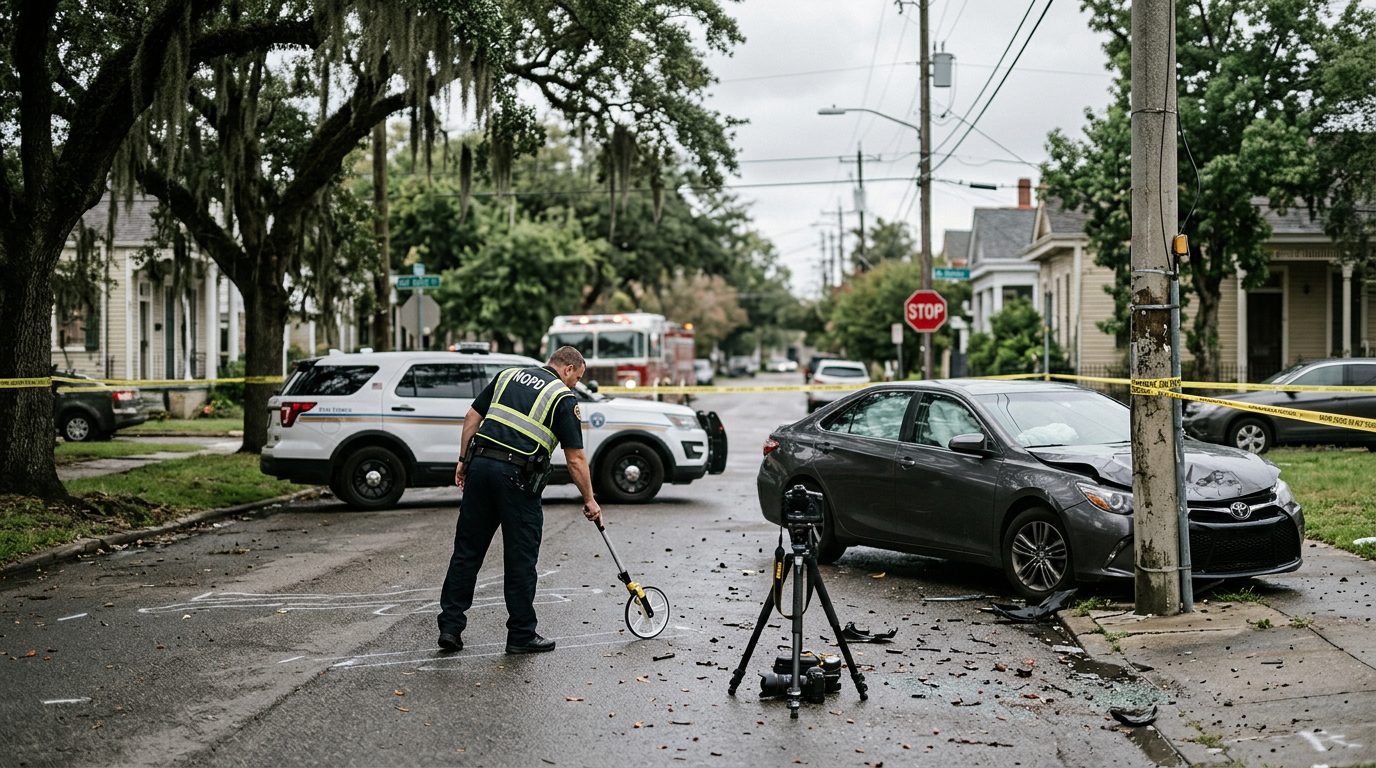
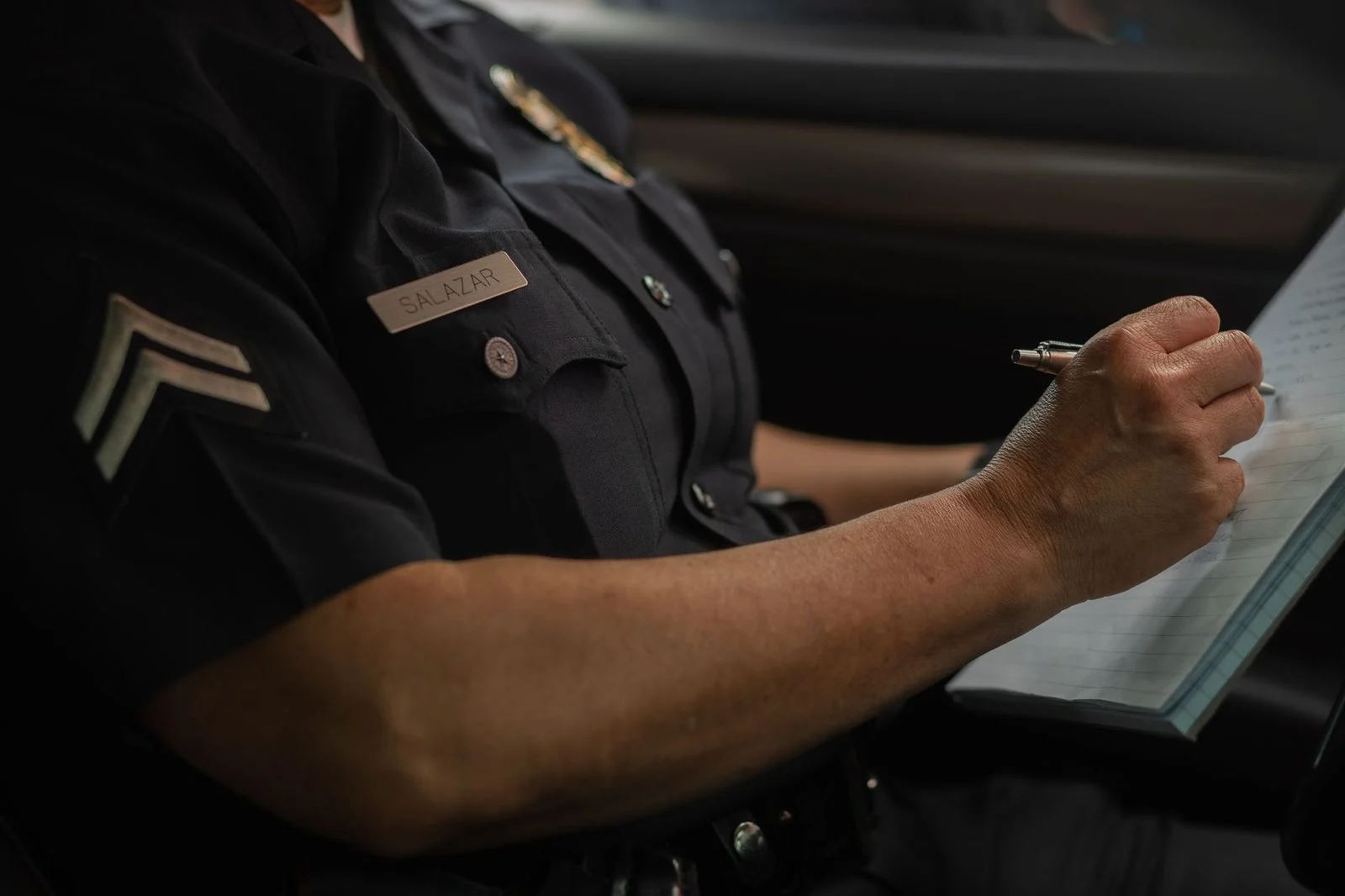
A police crash report records what the investigating officer saw and learned at the scene. It is the official summary of a crash, written by the officer who responded.
Reports commonly include the date, time, and location of the crash. They list the vehicles and drivers involved, along with passengers and witnesses. Most also include the officer’s written narrative, a diagram of the scene, and any citations issued.
A report can be supplemented later. New information from follow-up work can be added. That means the version you receive may not be the final word on the crash.
Read the report closely, and treat it as one piece of evidence. Reports can be incomplete, and they can contain errors. Compare names, times, and road details with photos, video, and other records. If something looks wrong, write it down with the date you noticed it.
Witness names and photographs listed in the report matter later. Witnesses may move or forget details over time. Note them early, while the information is still fresh.
Which agency investigated and where the report is held
The agency that investigated depends on where the crash happened. Louisiana law draws the line at city limits. Under La. R.S. 32:398, the police department of a city or town investigates crashes inside its corporate limits. State police or the sheriff’s office investigates crashes outside those limits.
A police crash report for a fatal accident in New Orleans usually comes from the New Orleans Police Department (NOPD). Under La. R.S. 32:398(I)(1)(a), crash reports and the information in them are exempt from Louisiana’s public-records law and are available only to listed persons. The statute also says these reports and the information in them are confidential, are exempt from the provisions of R.S. 44:1 et seq., and are made available only to listed persons, such as the parties to the crash and their attorneys. Its current steps are on the NOPD police report requests page.
Crashes outside city limits follow a different path. The Louisiana State Police traffic records page describes processing steps.
Keep any case number the officer gave you at the scene. The case number and the report header help match a report to the right office. Write it down on your first call so you do not have to search again.
Who can get a Louisiana crash report
Only certain people can get a Louisiana crash report. Under La. R.S. 32:398, crash reports and the information in them are confidential. They are made available only to listed people.
The list includes the parties to the crash and the parents or guardians of a minor party. It also includes insurers of a party and healthcare providers that treated a party. Succession representatives, meaning the people handling the estate of the person who died, are on the list. So are their attorneys. News-gathering organizations may request documents related to a specific crash.
Families should check whether they fit one of these groups. A family member who handles the estate may be the right person to ask. Ask the agency what identifying details it needs before you go in person or send a request.
Under the same statute, crash reports must be made available to listed people within seven working days after the investigation is complete. Photographs, video, and audio can also be requested. The agency must provide copies on request and may charge a reasonable fee for them.
What the Orleans Parish coroner’s records include
The coroner’s records are a separate file, and they focus on the death. The Orleans Parish Coroner’s Office investigates deaths within the parish. Its file is not the same as the police crash report.
Coroner files may include an investigative report, an autopsy report when one is done, and toxicology results. They may also include a finding on the cause and manner of death. Each part answers a different question about the death.
Some parts of a file take time to finish. Toxicology results and final findings can arrive after the first paperwork. An early account can change as the file is completed. Families should expect updates rather than one final document.
Requests go through the office that holds the records. The process and timing can vary, so ask about the steps when you first call. Keep notes on each call, including the name of the person you spoke with.
A death certificate is a different document. Families often need copies for estate, insurance, and benefits paperwork. Ask the office how many copies it provides, so you can plan for the paperwork you will need.
Not sure what your next step is?
Talk it through with our team — the first consultation is free, confidential, and carries no obligation.
Other documents that help a wrongful death review
Beyond the crash report and coroner’s file, families often gather more records. Medical and hospital records show the injuries and the care that followed. Vehicle repair or total-loss records show what happened to the vehicles. Photos and video from the scene or from others may help as well.
Phone records tied to the crash can matter. Employment or income records for the person who died may matter too. Each record adds a piece to the picture of what happened.
If anyone took a written or recorded statement from an injured person about the crash, that person may ask for a copy. Under La. R.S. 13:3732, the person who took the statement must furnish a true and complete copy within twenty days after written demand. Put the demand in writing and keep a copy of it.
Keep one organized folder. Store copies, and keep a running list of who holds each record. Note the date you asked and the date you received it. That list saves time when several people need the same file.
For how family losses are handled in Louisiana claims, read about wrongful death loss of companionship.
Timing, preservation, and why records change
Records can change, and evidence can disappear. Vehicles get repaired, sold, or scrapped. Photos and video may be deleted. Witnesses may move away or forget details. That is why many families ask early about vehicles, photos, and video.
Reports and files can also change over time. Supplemental reports can be added. Death certificates can be corrected, and toxicology results can arrive later. Each update may change the picture of what happened.
Deadlines are set by law. Under La. Civ. Code art. 2315.2, the right to bring a wrongful death action prescribes one year from the death or two years from the day the injury or damage is sustained, whichever is longer. “Prescribes” means the time limit to file runs out. Under La. Civ. Code art. 2315.1, a survival action follows the same whichever-is-longer period. Deadlines depend on the facts of each case, so do not assume the records alone settle timing.
A brain injury, or a death that comes days or weeks after a crash, can make the medical timeline harder to rebuild. For that situation, see brain injury and a later death after a crash.

How these records fit into a wrongful death claim
A wrongful death claim lets certain family members sue when another person’s fault causes a death. Under La. Civ. Code art. 2315.2, the surviving spouse and children may sue first. The surviving spouse and children come first; if there is no surviving spouse or child, the surviving father and mother may bring suit; if none of them survive, the surviving brothers and sisters may bring suit; and if the deceased left no spouse, child, parent, or sibling surviving, the surviving grandparents may bring suit.
The crash report, coroner’s file, and other records help show what happened. They do not decide a claim on their own. Many wrongful death matters can resolve before a lawsuit is filed. To learn more, read about settling a wrongful death claim before a lawsuit.
Our team may associate or refer a case to other law firms when that is appropriate. Przemek Lubecki is the lawyer responsible for this page’s content. He is based at the firm’s New Orleans office.
Common questions
How do I get a police crash report for a fatal accident in New Orleans?
Ask the agency that investigated. The law enforcement agency that investigates a crash can depend on where it happens, and the crash report is one of the records a lawyer may review when evaluating a case.
La. Civ. Code art. 2315.2 does not require law enforcement to provide copies or set any fee; it covers who may sue to recover damages they sustained as a result of the death.
If you are gathering a crash report and coroner records for someone you lost, you do not have to face the paperwork alone. Call 855-LUBECKI or request a free case evaluation. The first consultation is free, confidential, and without obligation.
What a Crash Report Can and Cannot Tell You
A record of the investigation
A crash report documents what the investigating agency observed and recorded at the scene. It is one important record, not the whole story.
Separate from the coroner's file
The crash report and the coroner's records are different documents, kept by different offices, and each can answer different questions.
Questions to bring to a lawyer
Bring any report numbers, dates and agency names you already have. Our team can help you sort out which records are worth requesting.
Support while you gather records
Losing someone in a crash is painful, and paperwork can feel overwhelming. Our team takes the time to explain each step in plain language.
Keep Everything You Receive
Save every copy of a crash report, coroner's document, photo and letter you receive, including the report number and the agency that issued it. These records can be hard to replace later. Our office may associate or refer a case to other law firms, and if that happens, we will tell you.
Records a Family May Need to Gather
Police crash report
The report from the agency that investigated the crash, including the report number, the date and location, and the parties and vehicles involved.
Coroner's records
Documents from the coroner or medical examiner's office that describe the cause and circumstances of a death. These are kept separately from the crash report.
Photos, video and witness details
Images from the scene, traffic camera or nearby businesses, and names or contact details for witnesses, gathered as early as possible when they are still available.
Medical and funeral records
Hospital, emergency response and funeral records that help document the injuries and the timeline of events.