
Louisiana Truck Accident Wrongful Death Claims | New Orleans
When a Truck Crash Takes a Family Member, You Deserve Clear Answers
Przemek Lubecki, the responsible lawyer for this page, leads American Trial Lawyer, LLC from our New Orleans office, helping surviving families through the questions that come after a commercial vehicle tragedy.
By Przemek Lubecki · Published November 10, 2026
A fatal crash with an 18-wheeler can leave a family with questions they never expected to ask. After a serious truck crash, a common question is who can be held responsible, including whether the trucking company can be part of a claim and not just the driver. In many fatal truck crashes, the answer is yes. Louisiana law allows certain surviving relatives to bring a wrongful death claim. This page explains how that works, in plain terms.
The short answer for families asking after a fatal 18-wheeler crash
Yes, a family may be able to name the trucking company as well as the driver. The reason is that Louisiana law can hold an employer answerable for harm its employee causes while doing the job. Commercial cases also tend to involve more parties than an ordinary car crash. A motor carrier, its driver, the equipment and the insurance behind them can all become part of the claim.
Whether a particular company can be held responsible depends on the facts of the crash. Every case rests on its own evidence, so no general page can predict how a specific claim will turn out. What this page can do is explain the rules that usually matter, and the questions a family should ask early.
Many families assume the driver is the only target. In practice, the company’s role and its records often shape the case as much as the driver’s conduct does. Families often need time to understand these claims before making any decision, and that is normal.
If an 18-wheeler crash took someone you love, you may be wondering who can be held responsible, and our team is glad to talk it through. Talk it through with our team — the first consultation is free, confidential, and carries no obligation.
Who may bring a wrongful death claim in Louisiana
Certain surviving relatives may bring the claim, and Louisiana law sets an order for who qualifies. Louisiana Civil Code art. 2315.2 says suit may be brought when a person dies due to another’s fault. Brothers and sisters may sue only when there is no spouse, child or parent. Grandparents may sue only when none of those closer relatives survived.
The family relationship decides who qualifies, not who lives closest. The same article counts adopted children, parents, siblings and grandparents the same way as biological ones. Because the statute sets the list, the exact relationships in each family matter. If the person who died left no spouse, child, parent or sibling, the grandparents are the last group in the statute.
Who can be named in a claim after a truck crash
Possible defendants include the truck driver, the motor carrier that employs the driver, and other companies with a role in the trip. The right parties depend on who controlled the truck and the work. A leasing arrangement, a contract hauler or a trailer owner can change the picture.
Louisiana’s general rule is simple. Louisiana Civil Code art. 2315 says every act of man that causes damage to another obliges the person by whose fault it happened to repair it. That rule can apply to each party whose fault contributed to the harm, so more than one party may be named.
Federal law also matters. Under federal law for motor carriers, the Secretary of Transportation may set rules on driver qualifications, hours of service and equipment standards. Those rules help show what a carrier was required to do. Insurance affects how a claim is handled, which is a separate question from who may be named.
How the driver’s conduct can reach the trucking company
When a driver causes a crash while working, the employer can answer for that harm. Under La. Civ. Code art. 2320, masters and employers are answerable for damage caused by their servants and overseers while those servants are exercising the functions in which they are employed, and teachers and artisans are answerable for damage caused by their scholars or apprentices while under their superintendence. In those cases, responsibility attaches only when the master, employer, teacher, or artisan might have prevented the act that caused the damage and did not do so. Two questions come up often. Was the driver doing the company’s work at the time? Could the company have prevented the act and did not?
The first question is about the job. This is often called course and scope of employment, meaning the work the driver was doing for the company. A driver on a delivery route is usually working. A driver on a personal errand may not be, and the facts decide.
The second question looks at the company’s choices, not the driver’s. Conduct that investigators may examine includes distraction, fatigue, speeding, impairment and unsafe lane changes. Investigators ask whether these played a role, and the answers come from records, not guesses. Each one is a question to answer, not a conclusion about any crash. Leased trucks and contractor arrangements can change who the employer is, so the paperwork is worth reviewing early.
When the company’s own decisions are part of the claim
A family may also look at the company’s own choices. Under Louisiana’s general fault rule, a person whose own fault causes damage must repair it. Those choices can include how the company screened, trained, supervised and equipped the driver, and how it tracked the driver’s hours.
Federal rules require some of these records. 49 CFR 391.51 requires a driver qualification file for each driver, including the employment application and a copy of the driver’s motor vehicle record. Under 49 CFR 395.8, motor carriers must require each driver, except a private motor carrier of passengers (nonbusiness), to record duty status for each 24-hour period using the method prescribed in 49 CFR 395.8(a)(1)(i) through (iii), as applicable.
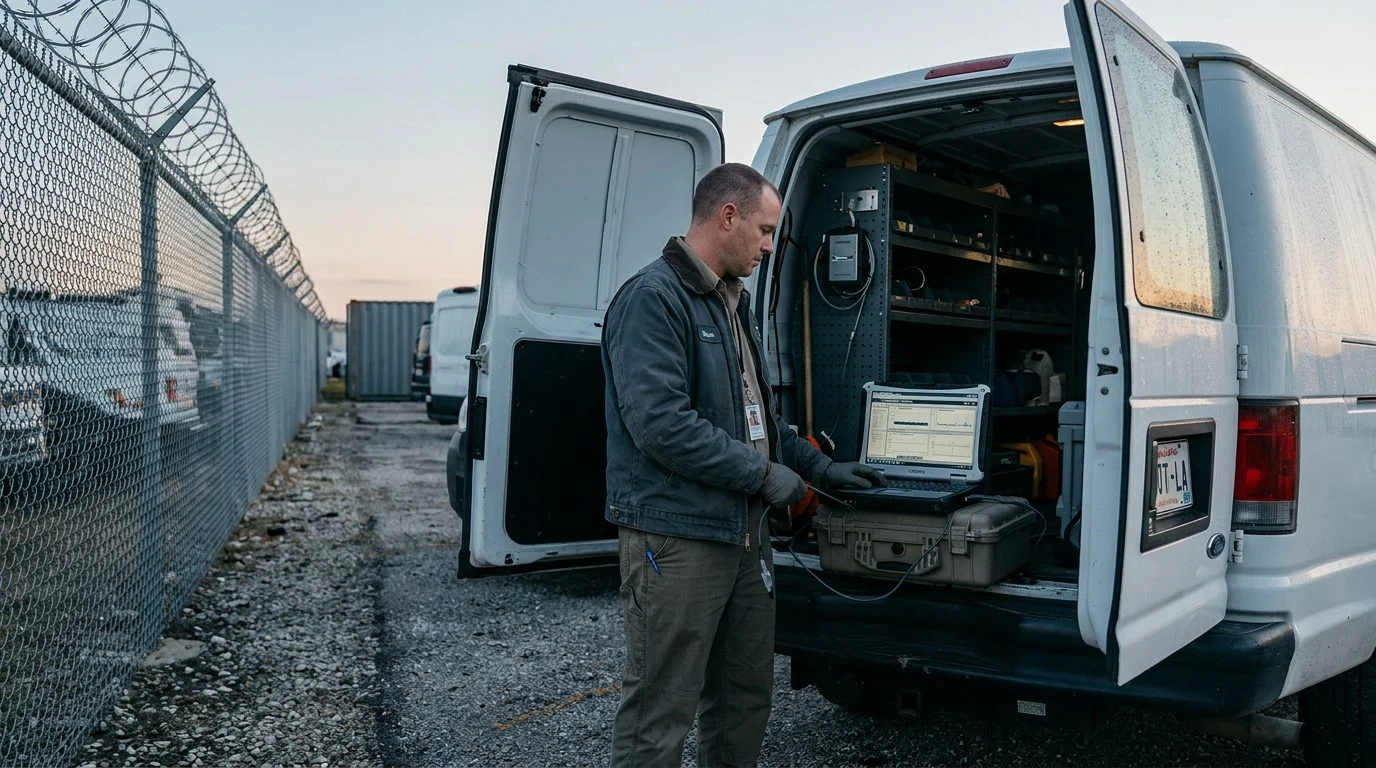
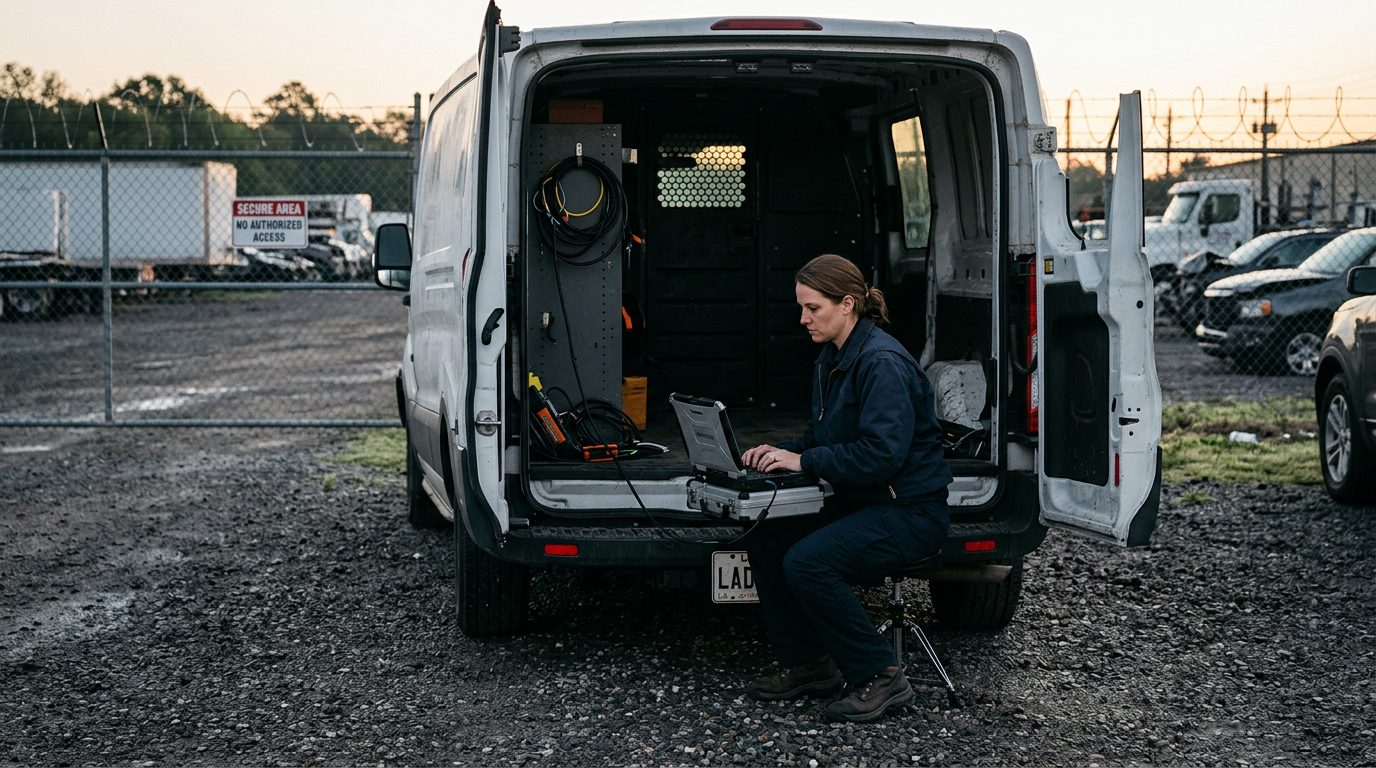
Vehicle data can matter too. The National Highway Traffic Safety Administration states that event data recorders can preserve technical crash information and driver inputs that may help investigate a collision. Sorting out these records takes time, which is one more reason to start early. Whether any of these issues applies to a specific crash is a question the evidence must answer.
Wrongful death and survival claims: what a family may pursue
A wrongful death claim covers the losses the surviving family suffered because of the death. A survival action covers the injuries the person suffered before dying. The same listed survivors may bring it under Louisiana Civil Code art. 2315.1. If no listed survivor exists, the deceased person’s succession representative may urge the claim. A family’s wrongful death claim and a survival claim can both be part of the same case.
Loss of consortium means the loss of a loved one’s companionship and support. Art. 2315 says those damages go to the same categories of relatives who could bring a wrongful death claim.
Funeral and related costs raise their own questions. Our guide on who pays funeral bills covers that question. For the difference between the two claims, see wrongful death vs. survival. For a broader list, see our guide to recoverable losses. Each family’s losses are different, and the facts shape what can be proven.
Not sure what your next step is?
Talk it through with our team — the first consultation is free, confidential, and carries no obligation.
Time limits and why early steps matter
Louisiana sets firm time limits for these claims, so the dates matter from the start. Under art. 2315.2, the wrongful death right prescribes one year from the death or two years from the day the injury was sustained, whichever is longer, except that for medical malpractice actions it prescribes one year from the death. Art. 2315.1 uses the same timing for survival claims, except that the prescriptive period for medical malpractice survival actions is governed by R.S. 9:5628. The law’s wording controls over any general summary.
Commercial records do not last forever. The federal rule at 49 CFR 391.51 requires each motor carrier to maintain a qualification file for every driver it employs and to retain it during that employment and for three years afterward, though certain records, such as the note on the annual review of the driver’s driving record, may be removed three years after the date of execution. Older records may no longer be on file, which is one reason early attention helps.
Keeping copies of crash reports, photographs and written communications helps everyone who looks at the case later. Checking the timing early also gives a family more room to decide. There is no need to rush a decision, but there is value in starting the review soon.
Talk with Przemek Lubecki about your family’s situation
Common questions
Can you sue a trucking company for the death of a family member?
In many cases, yes. The claim can name the trucking company as well as the driver when the facts support it.
Who can file a wrongful death claim in Louisiana?
Certain surviving spouses, children, parents, siblings and grandparents may sue, in the order set by Louisiana law.
How long does a family have to file in Louisiana?
Under the wrongful death statute, the deadline is one year from death or two years from injury, whichever is longer.
If an 18-wheeler crash took someone you love, you may be asking who can be held responsible, and you don’t have to sort that out alone. Przemek Lubecki is the responsible lawyer for our office in New Orleans, Louisiana, and the first consultation is free, confidential and without obligation. Request a free case evaluation or call 855-LUBECKI. Office in New Orleans, Louisiana. The firm may associate or refer a case to other law firms.
How our team approaches these families' cases
Careful investigation
We look closely at the truck, the driver, the company that operated it and the records that may matter to your family's claim.
Plain-language guidance
We explain each step in everyday terms, so you can make decisions with a clear understanding of what is happening.
Family first
Losing someone in a crash is painful. We listen first and take the time to understand what your family has lost.
Based in New Orleans
Our office is in New Orleans, and we serve families in Orleans Parish, Jefferson Parish, St. Bernard Parish and across Louisiana.
Good to know before you call
Depending on the facts, a case may be associated with or referred to other law firms. Your first consultation with us is free, confidential and without obligation to continue.
Questions families often ask
Who can bring a claim?
Louisiana law sets out who may file a wrongful death claim. We can explain how that framework may apply to your family.
Who might be responsible?
Depending on the facts, a claim may involve the driver, the trucking company or other parties. We review each possibility carefully.
What evidence matters early?
Crash reports, driver logs, maintenance records and witness statements can be important, so it helps to talk with a lawyer early.
How do we handle the stress?
Families often face funeral arrangements, lost income and grief all at once. We handle the legal details so you can focus on your loved ones.