
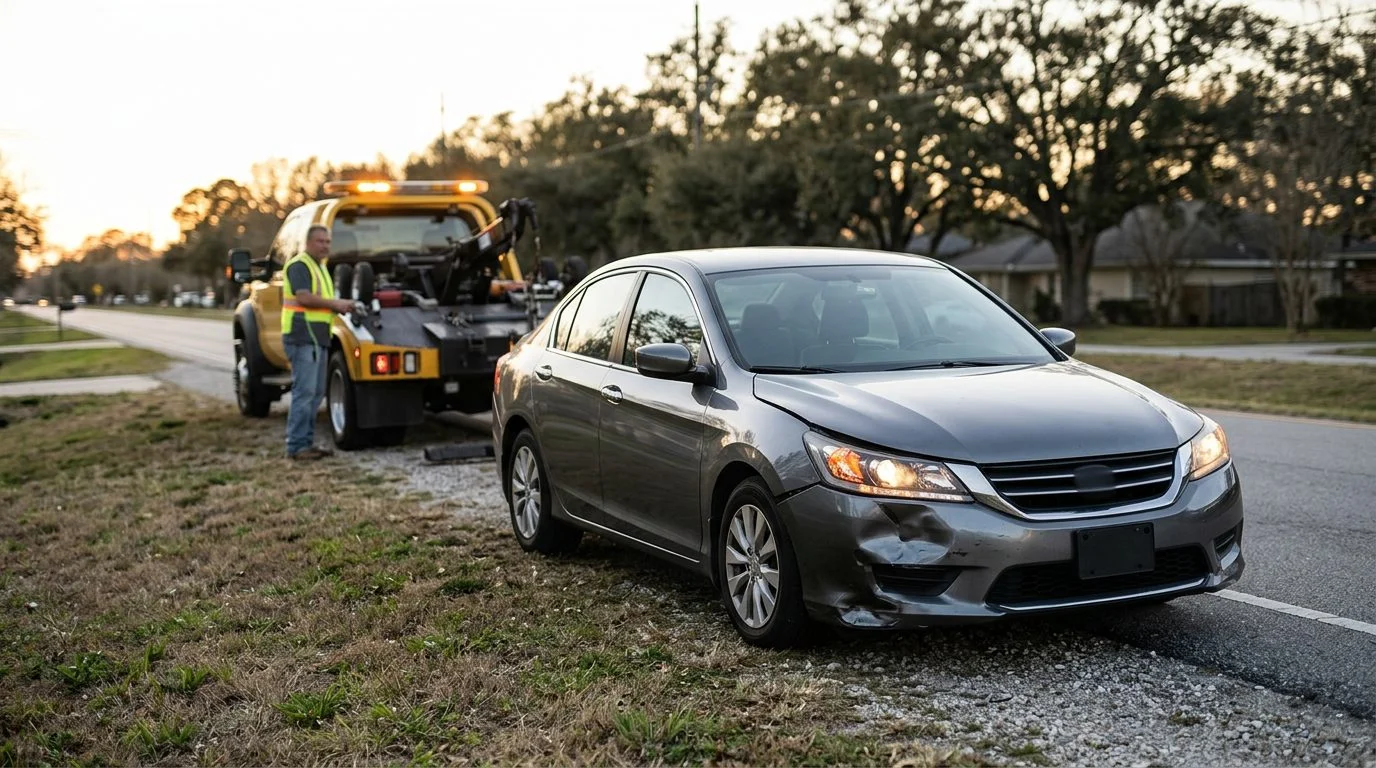
Truck Accidents | New Orleans, Louisiana
Hurt in a Truck Crash in New Orleans? Here Is What to Do Next
Przemek Lubecki, the responsible lawyer for this page, represents people seriously injured in truck and commercial vehicle crashes and families who have lost someone.
By Przemek Lubecki · Published November 10, 2026
A truck just hit you, and your head is probably spinning. Here’s what to do after a truck hits you in New Orleans: get checked medically, get the police crash report, record the scene, and be careful with the trucking company’s insurer.
The order matters. The steps below follow what usually matters first, so you can act even while you’re sore and shaken.
Get medical care first, even if you feel okay
Get a medical evaluation before anything else, even if the pain seems minor. Some injuries don’t show up right away. Neck, back, and head injuries can take hours or days to feel, and the rush of a crash can hide pain.
Tell every provider exactly how the crash happened and where you hurt. Mention your neck, back, and head, even if the pain seems small. Say whether you hit your head, if you know.
Keep one folder for everything: visit notes, discharge papers, prescriptions, and referrals. These papers show what was found and what treatment was ordered.
Follow the treatment plan you’re given. If you miss an appointment, write down the date and the reason. A short note keeps your timeline clear.
If a truck crash left you hurt, facing bills, or grieving a loss, you don't have to sort out what comes next alone, and our team is glad to talk it through. Talk it through with our team — the first consultation is free, confidential, and carries no obligation.
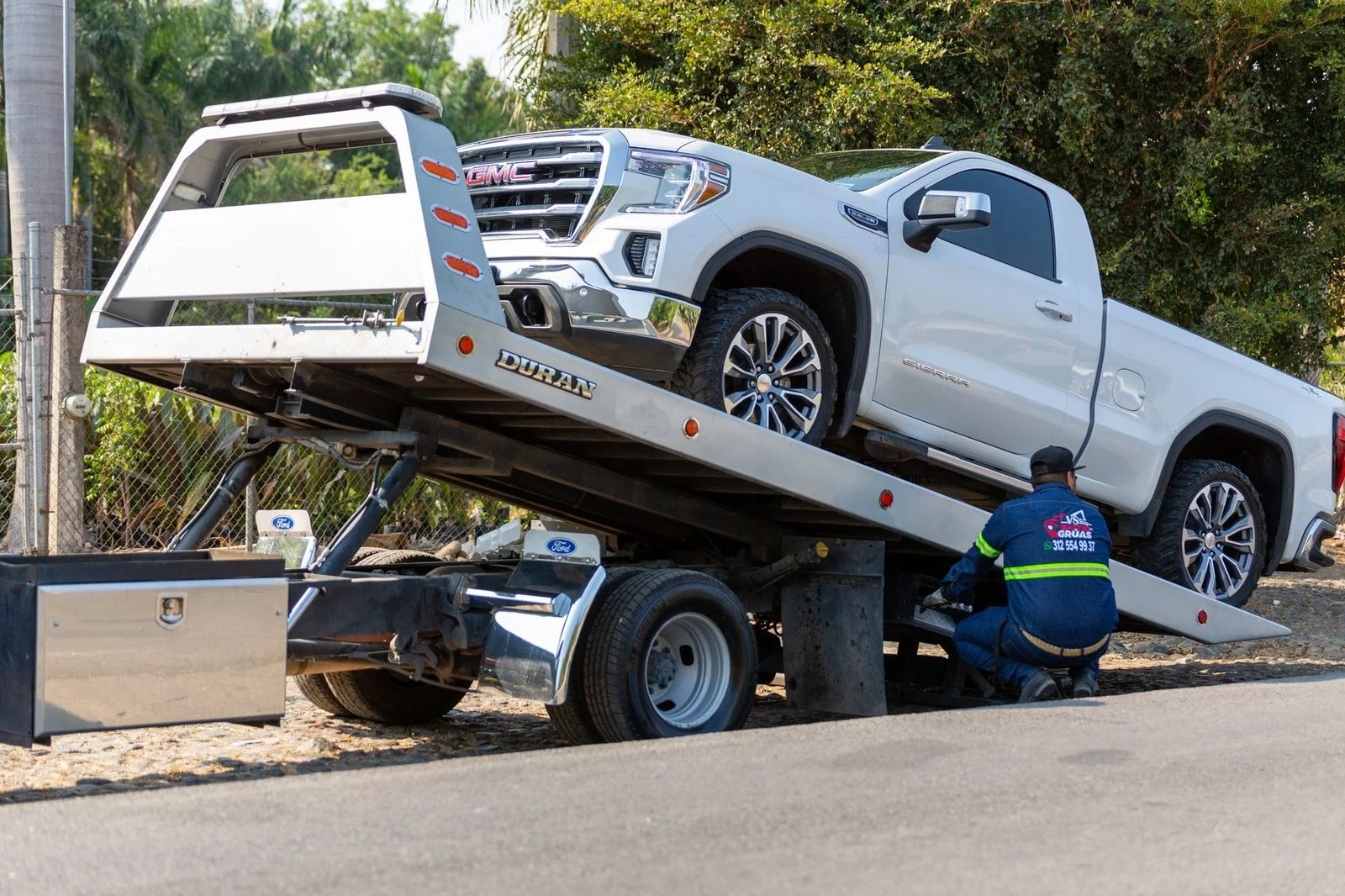
Call the police and get the crash report
Get a police report, because it gives you an official written record of the crash. Ask the officers to document what happened at the scene.
Under the crash reporting statute, the operator of a vehicle involved in a crash that results in bodily harm to any person, or in damage to property exceeding five hundred dollars, must give the name, address, and the registration number of the vehicle to any person injured in the crash, and, upon request and if available, show a license or permit to drive. The section includes exceptions, including crashes in an area under an evacuation order or a declared state of emergency. The driver must also show a license on request, if one is available.
Note the department, the officer’s name or badge number, and the report number. Describe only what you saw, such as the light color or where the truck was. Skip guesses about speed or fault.
Copies cost little. Under the same statute, police may charge up to five dollars for a report of two pages or less, and up to twenty dollars for a longer one, including all fees. New Orleans police reports are requested under Louisiana’s public-records law, and the City of New Orleans police reports page says released reports may be redacted to protect privacy.
Also note whether the truck driver got a citation, and whether the report lists other vehicles, passengers, or witnesses.
Document the scene while it’s still there
Take photos and notes at the scene, as long as you can do it safely. Scenes get cleared, and trucks get moved or repaired quickly.
Take wide shots and close-ups. Capture both vehicles, where each one stopped, the damage, skid marks, debris, road conditions, traffic signals, and nearby signs.
Write down the trucking company’s name, USDOT number, trailer or unit number, and license plate. Look on the cab doors and trailer for carrier details, and get the driver’s name.
Note the time, weather, and direction you were traveling. Write these notes now and date them, since details fade fast. Collect names and phone numbers from witnesses, and save texts, photos, and call logs that show when and where the crash happened.
Federal rules also apply to the company. After certain truck crashes, federal rules require post-accident testing of the surviving driver in specific situations: when the crash involved a loss of human life, testing is required whether or not a citation is issued, and when the crash involved injuries that need immediate treatment away from the scene or a tow-away, testing is required only if the driver receives a citation for a moving traffic violation from the crash within 8 hours (for alcohol) or 32 hours (for drugs). Each required test must be given as soon as practicable after the accident. If an alcohol test is not administered within 8 hours following the accident, or a controlled substances test within 32 hours, the employer must stop attempting that test (49 C.F.R. § 382.303). If the alcohol test isn’t done within two hours, the company must record why. It must stop trying for an alcohol test after eight hours (49 C.F.R. § 382.303).
Be careful with the trucking company and its insurer
Don’t give a recorded statement or sign any paper from the trucking company’s insurer until you understand what it allows. Keep a log of every call, with the date, time, caller’s name, and company.
If you give a statement, Louisiana law on injured persons’ statements gives you the right to a copy. The person who took it must provide a true and complete copy within twenty days after your written demand. A statement can’t be used in a civil case if the holder refuses your request for a copy.
Don’t sign releases or settlement papers that waive your rights. Don’t accept a quick payment before you know the full extent of your injuries. Keep every written offer.
Louisiana also makes employers answerable for damage their workers cause while doing the job they were hired to do. Louisiana makes employers answerable for damage their workers cause while doing the job they were hired to do, but only if the employer might have prevented the act that caused the damage and did not do so. That can matter when a truck driver was working for a carrier, as explained in Louisiana Civil Code article 2320.
Track losses and know the time limits
Louisiana generally allows two years from the day of injury to file an injury claim. Some exceptions apply, so the details depend on the facts (Louisiana delictual prescription law).
Louisiana also reduces damages by the injured person’s share of fault. For accidents on or after January 1, 2026, a person who is 51% or more at fault recovers no damages. A person below 51% has damages reduced by their share (Louisiana comparative fault article).
Keep receipts for medical care, prescriptions, rides to appointments, and repairs or rental costs. Write down missed work, reduced hours, and daily tasks the injury makes harder, such as driving, lifting, or caring for children.
Vehicles get repaired and scenes get cleared, so the photos and notes you made early matter more over time. American Trial Lawyer may associate or refer a truck crash case to other law firms.
Talk with the New Orleans office about your crash
The New Orleans office offers a free, confidential first consultation with no obligation to continue.
Przemek Lubecki is the responsible lawyer for this page. The firm’s Office in New Orleans works with people in Orleans Parish, Jefferson Parish, Metairie, Kenner, St. Bernard Parish, Slidell, and across Louisiana.
Maybe a truck hit you, you’re still treating injuries, and an insurer keeps calling. Or maybe a family member died in a truck crash, and you’re facing questions you didn’t expect.
Quick answers
Should I get checked if I feel fine?
Yes. Some injuries take time to show, and a checkup creates a record of your condition.
Can I sue the trucking company’s insurer directly?
Generally no. Louisiana allows a direct action against an insurer only in listed situations (Louisiana liability insurer statute).
How long do I have to file?
Generally two years from the injury, though exceptions apply (La. Civ. Code art. 3493.1).
If a truck crash left you hurt, facing bills, or grieving a loss, you don’t have to work through what’s next alone. Call 855-LUBECKI or request a free case evaluation with the New Orleans office.
Steps to Take After a Truck Crash
Get medical care
See a doctor even if you feel fine. Some injuries take time to show, and a checkup creates a record of your condition.
Report the crash
Call the police and make sure a report is filed. Ask for the officer's name and report number.
Document the scene
Take photos of vehicles, the roadway, skid marks and your injuries. Write down the truck's company name, DOT number and driver details if you can.
Talk with a lawyer
A free, confidential consultation with no obligation to continue can help you understand your situation before you speak with an insurance company.
Be Careful With Insurance Calls
Trucking companies and their insurers often contact injured people quickly. The firm may associate or refer a case to other law firms.