

Truck Accidents | New Orleans, Louisiana
Trucking Records Can Be Lost. Preserving the Evidence Starts Early.
Electronic logs, dashcam video and maintenance files can show what happened on the road. Learn which records matter most after a serious crash and how a New Orleans trial lawyer can help.
By Przemek Lubecki · Published November 10, 2026
After a truck crash, the most useful proof is often not at the scene. It sits in the trucking company’s files and on the truck itself, and some of it can be overwritten or thrown out on set schedules. The three main sources are the truck’s electronic logging device (ELD) data, any onboard camera footage, and the company’s maintenance and inspection records. This guide explains what each can show, how long each may last, and what to do in the first days after a crash in Louisiana.
What Evidence a Truck Crash Can Leave Behind
A truck crash can leave several records beyond the police report, and most of them are kept by the trucking company. Those records include electronic data from the truck, any camera footage the truck carried, and paperwork the motor carrier keeps about its drivers and vehicles.
Because the company and its vendors control these records, access and timing matter. The injured person usually doesn’t hold them. How long a company keeps these records can vary from one business to another.
The Louisiana crash report is a separate record. Under La. R.S. 32:398, crash reports are confidential. On request, the parties to the crash and their attorneys can get them within seven working days after the investigation is complete.
Medical records matter too, but this page focuses on the three truck-side records. For the broader picture, read about truck crash claims in New Orleans.
If a truck or commercial vehicle crash has left you or someone you love hurt, the company's logs and video may be at risk now. We're glad to talk, and the first consultation is free, confidential and without obligation. Talk it through with our team — the first consultation is free, confidential, and carries no obligation.

What an ELD Log Records and Why It Matters
An ELD is a device that automatically records a commercial driver’s duty status and driving data.
The device records the date, the time, the truck’s location, engine hours, vehicle miles, and the identity of the driver, vehicle and carrier.
Investigators can compare that timeline with the hours a driver reported. Federal hours-of-service limits cap driving time and require rest breaks, so a log can raise questions about fatigue or a rule violation.
Logs can also be falsified.
Whether ELD data shows a problem depends on the facts of each crash. A lawyer can review it with you.
Dashcam and Onboard Camera Footage
Some trucks carry cameras that record the road, but not every truck does. You should confirm that footage exists rather than assume it.
Camera footage can show lane position, following distance, traffic signals, and weather at the time of the crash. These are details that are hard to recall after a crash, so video can be valuable.
Many camera systems record over older footage on a loop. Others save only clips triggered by a hard brake or an impact. If no one asks the company to keep the footage, it can be overwritten.
A preservation request is a written demand that the carrier keep specific records. It can ask the company to hold footage and any saved event clips. A lawyer can send that request for you.
Nearby businesses and traffic cameras may also have recorded the crash. Those systems run on their own schedules, so ask early.
Maintenance, Inspection and Repair Records
Federal rules require motor carriers to systematically inspect, repair and maintain the vehicles they control. Under the maintenance and inspection rules, parts and accessories must stay in safe and proper operating condition at all times. That includes, but is not limited to, frame and frame assemblies, suspension systems, axles and attaching parts, wheels and rims, and steering systems, as well as the parts specified in part 393 and any other parts that may affect safety of operation.
The records of that work show the date and nature of each inspection, repair and maintenance task. Compared with the truck’s condition at the time of the crash, they can help show whether a known problem was fixed before the trip.
Roadside inspections also look at driver paperwork. The CVSA inspection levels describe inspections that may examine records of duty status and hours of service. Some electronic inspections can be done while a vehicle is moving.
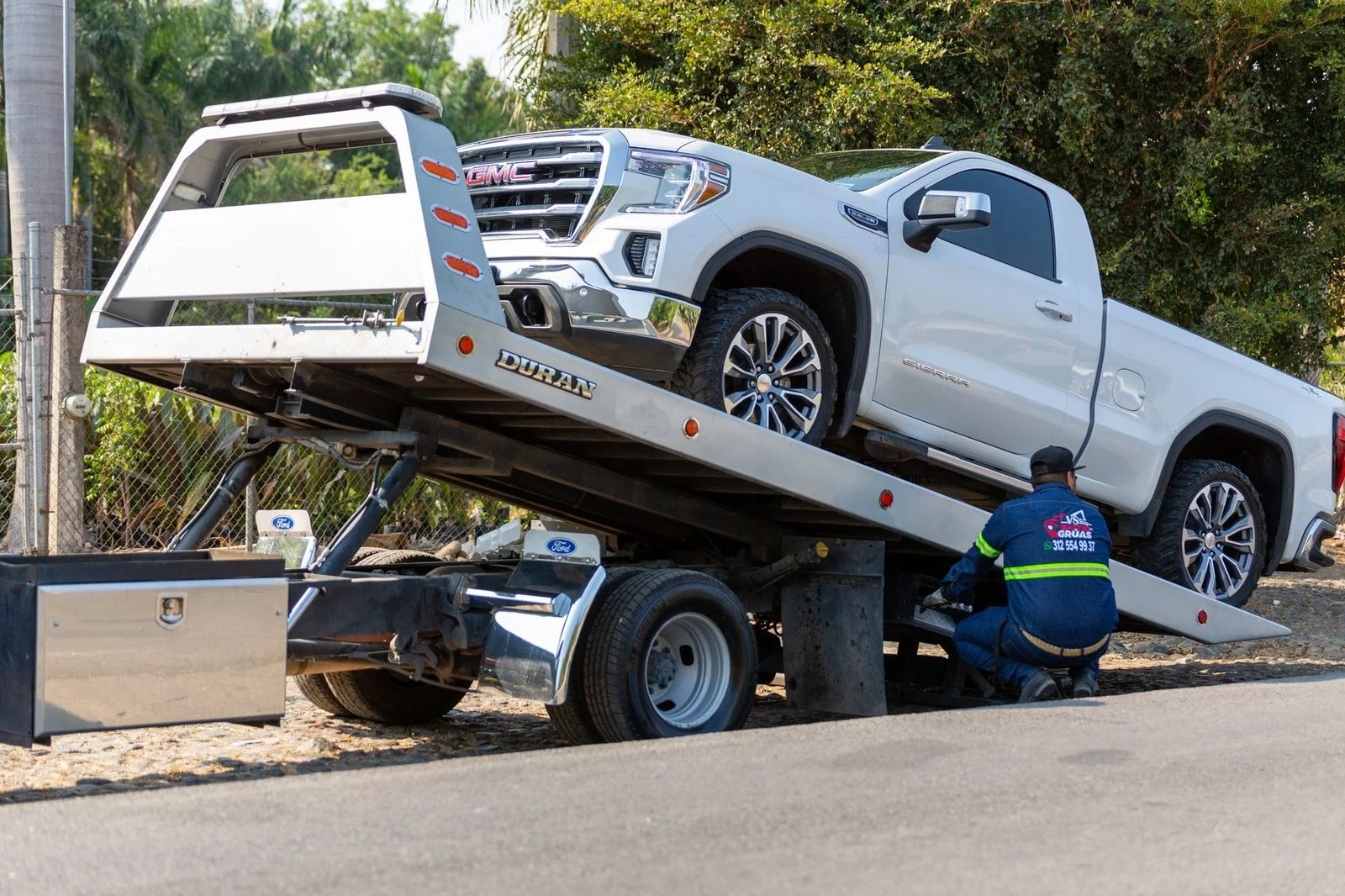
Trucks may be repaired, sold, or sent to salvage quickly after a crash. That is a reason to ask early that the vehicle and its maintenance files be kept.
Why Timing Matters: Retention Periods and Overwriting
Federal rules set minimum keep periods, and they differ by record.
Maintenance records must be kept for one year where the vehicle is housed or maintained, and for six months after the vehicle leaves the carrier’s control, under the maintenance and inspection rules.
Company policies can differ from those minimums, but the federal rules do not excuse compliance with the lawful requirements of any other governmental body prescribing longer retention periods.
A written request sent soon after a crash is clear and dated. It asks the company to keep logs, video and maintenance files before they are discarded.
Louisiana also sets a clock on the claim itself. Under Louisiana delictual prescription law, fault-based injury actions are generally subject to a two-year deadline that starts on the day of injury. Some exceptions apply.
Louisiana also uses comparative fault, or shared fault. Under Louisiana’s comparative fault article, a person found partly at fault may still recover damages, reduced in proportion to their share of fault. Questions about who was at fault are often central to a crash claim, and the firm can discuss how they may apply to your situation during a free, confidential consultation with no obligation to continue.
Steps You Can Take in the First Days After a Crash
Start by writing down the crash report number, the truck company’s name, and its U.S. DOT number if you can see it. Note the driver’s name and contact details as shared at the scene.
Take photos of both vehicles, the roadway, skid marks, debris, and visible damage. Record the names and phone numbers of any witnesses. Photos taken early show conditions that can change quickly.
Keep a written log of medical visits, symptoms, missed work, and costs. Follow medical advice closely and note when each symptom started. If headaches, confusion or memory problems appear after a head impact, get medical care promptly. You can read more about brain injury symptoms after a truck crash.
Be careful with statements to the trucking company’s insurer. Under Louisiana’s injured-person statement law, anyone who takes a written or recorded statement from an injured person must provide a true and complete copy within twenty days after written demand. You can ask a lawyer before you give a recorded statement.
Not sure what your next step is?
Talk it through with our team — the first consultation is free, confidential, and carries no obligation.
How a Louisiana Truck Crash Case Is Reviewed
A lawyer reviews the crash facts, the records that exist, the injuries, and everyone involved before deciding what comes next. No two cases are the same, so each review starts with the specific facts.
Przemek Lubecki is the responsible lawyer for this page. The firm’s office is in New Orleans, Louisiana. American Trial Lawyer handles truck accidents and commercial vehicle accidents, and it serves people hurt in these crashes across Louisiana, including Jefferson and St. Bernard parishes.
The firm may associate or refer a case to other law firms. You’ll hear about that possibility from the start, not after you’ve signed anything.
Which court a case would be filed in is covered on court and venue questions in Orleans Parish.
Talk With Przemek Lubecki About Preserving Your Evidence
A short call can help you learn which records may still exist and which to request first.
Can a trucking company delete its driver logs after a crash?
No driver or carrier may make a false duty-status report.
How long must a carrier keep driver logs?
Is there a deadline to file an injury claim in Louisiana?
Louisiana generally allows two years from the day of injury for fault-based injury claims, though some exceptions apply (La. Civ. Code art. 3493.1).
If a truck or commercial vehicle crash has left you or someone you love hurt, the company’s logs and video may be at risk right now. You can request a free case evaluation or call 855-LUBECKI. The first consultation is free, confidential and without obligation.
How Our Firm Approaches Truck Crash Cases
Focused on the records
We look closely at electronic logging device data, dashcam footage, dispatch messages and maintenance files to build an accurate picture of the crash.
Families and injured people
We represent people seriously hurt in truck and commercial vehicle crashes, and families in wrongful death cases, in New Orleans and across Louisiana.
Responsible lawyer
Przemek Lubecki, a trial lawyer, is the responsible lawyer for this page. Our New Orleans office is ready to speak with you about your situation.
Clear, calm guidance
We explain each step in plain language so you can make informed decisions while you focus on recovering.
Important: Ask Us What to Preserve
Trucking companies control many of the records that matter after a crash. Tell us about the crash as soon as you can so we can identify which records to request and protect. Depending on the facts of your case, our office may associate or refer your case to other law firms. If that happens, we will tell you.
Key Evidence in a Truck Crash Case
Electronic logging device data
ELD records show driving hours and duty status. They can be compared with other evidence to test whether the logs reflect what actually happened.
Dashcam video
Forward-facing and driver-facing cameras may capture the moments before and during a crash, including traffic signals, lane position and driver attention.
Dispatch and communication records
Messages between drivers and dispatchers can show schedules, route pressure and instructions given before the trip.
Maintenance and inspection files
Repair histories, inspection reports and vehicle condition records can help explain mechanical issues connected to a crash.