
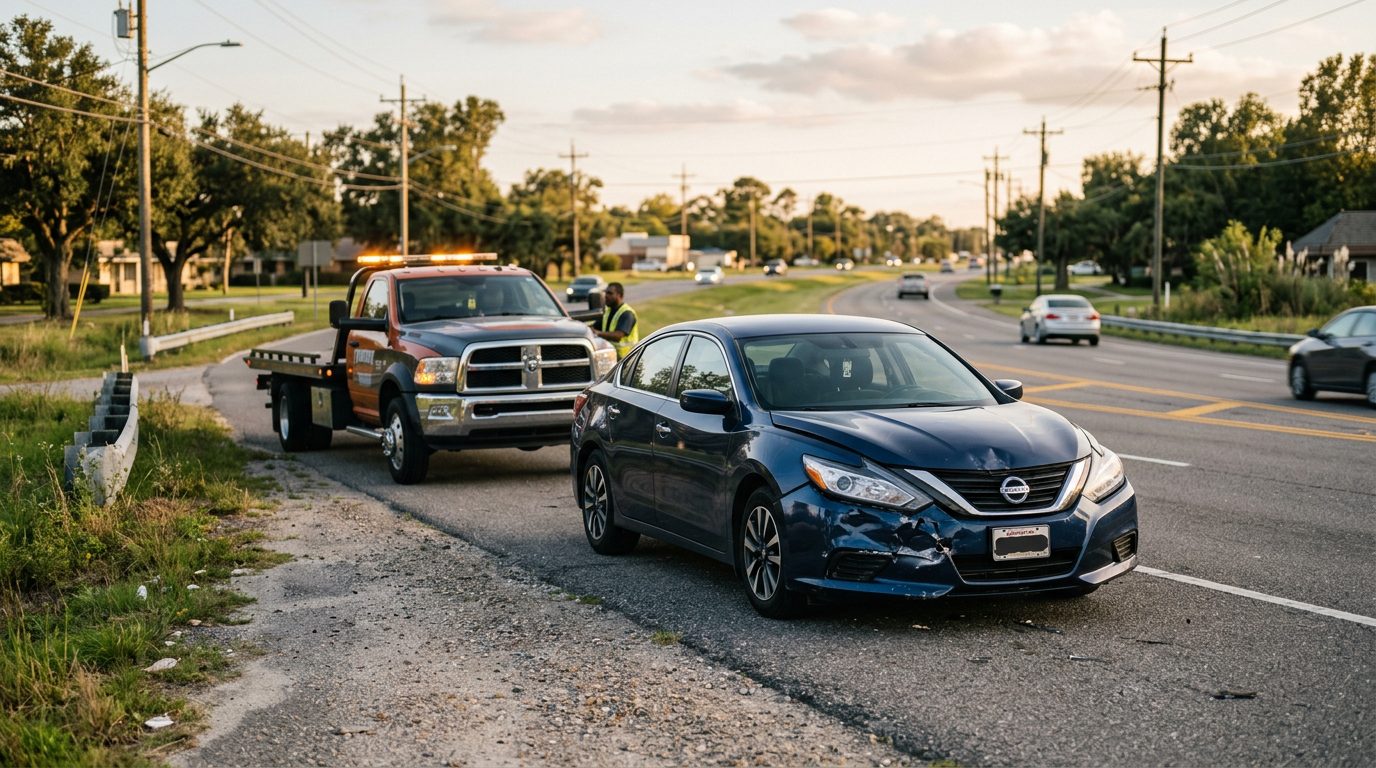
Truck Accidents | New Orleans
How Long Does a New Orleans Truck Accident Lawsuit Take?
Trial lawyer Przemek Lubecki explains what shapes the timeline of a truck accident case, from the first investigation to resolution, and how a free consultation can help you plan your next step.
By Przemek Lubecki · Published November 4, 2026
How long does a truck accident lawsuit take? The short answer
There is no single answer to how long a truck accident lawsuit takes. The length depends on the crash, the injuries, and how each side responds as the case moves forward. Some truck claims settle through talks before any lawsuit is filed. Others need a lawsuit, which then moves through the court system on its own schedule.
Truck cases often take longer than a typical car crash claim. More parties are usually involved, key records are often held by a company, and the investigation tends to be broader. Knowing the usual stages can make a long process easier to follow. For a wider overview, read our guide to truck accident claims in New Orleans.
If a crash has left you or someone you love facing medical bills and hard decisions, we're here to talk through what comes next. Talk it through with our team — the first consultation is free, confidential, and carries no obligation.
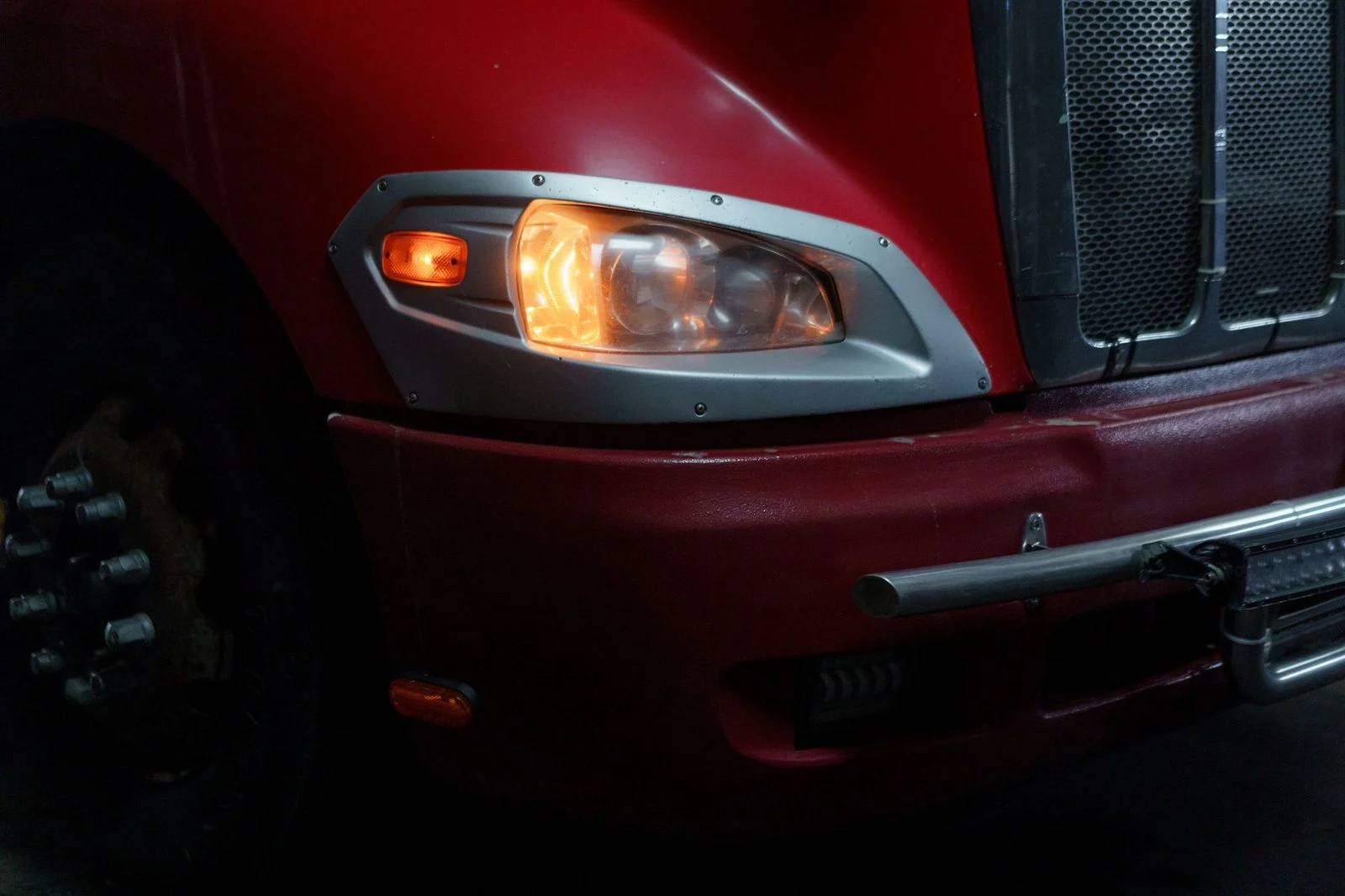
The typical stages of a truck accident claim
A truck accident claim usually moves through several stages, and each one builds on the last. Delays at one stage often push back the next.
First comes the investigation. Evidence gathering starts with the crash report, photos, witness information, and early medical records. Next, the injured person receives medical treatment. A claim is hard to value until doctors can describe the injury and the likely course of recovery.
After that, the claim moves into demand and negotiation. The injured person’s side presents the claim, and the insurer responds with offers. If talks stall, a lawsuit may be filed. Then discovery begins, which is the formal exchange of evidence and records. The case ends in a settlement or, less often, a trial.
How fast a settlement comes depends on how quickly injuries become clear, how fast records arrive, and whether both sides keep talking.
Why truck crash investigations can take longer
Truck crash investigations usually take longer because much of the key evidence sits with the trucking company, not the injured person.
Louisiana crash reports come from the investigating agency. State police or the sheriff’s office handle crashes outside city limits. The local police department handles crashes inside city limits (La. R.S. 32:398). Upon request, reports are made available only to the parties to the crash, parents or guardians of a minor who is a party to the crash, insurers or an insurance support organization under contract to provide claims and underwriting of any party that is the subject of the report, any healthcare provider or their agent that rendered healthcare services to a party that is the subject of the report, succession representatives, attorneys of the parties or succession representatives, and news-gathering organizations requesting documents related to a specific crash, within seven working days after the crash investigation is complete (La. R.S. 32:398).
Commercial vehicle cases also involve records the carrier keeps. These can include driver logs, electronic logging device (ELD) data, dispatch records, and maintenance and inspection files. Federal rules require a motor carrier to keep records of duty status and supporting documents for at least six months from the date of receipt (49 CFR 395.8). Federal rules say a carrier need not retain more than eight supporting documents per driver for each 24-hour period, but if it has more than eight, it must retain the documents containing the earliest and latest time indications among the eight it keeps (49 CFR 395.11). Because the retention period is limited, early requests for records can matter.
How the number of parties and questions of fault affect timing
More parties usually means more questions, and more questions take more time. A truck crash may involve the driver, the trucking company, a leasing company, other drivers, and several insurers.
Louisiana law makes employers answerable for damage caused by their employees in the exercise of the functions in which they are employed, but responsibility attaches only when the employer might have prevented the act that caused the damage and did not do it (La. Civ. Code art. 2320). That can bring the trucking company into the claim. Sorting out each party’s role takes time. When liability is not solidary, a joint tortfeasor shall not be liable for more than his degree of fault (La. Civ. Code art. 2324).
Each insurer may take its own position on fault, which can slow talks. Readers often ask who can be sued. Our companion pages cover whether you can sue a truck driver and whether you can sue a trucking company.
Our firm may associate or refer a case to other law firms when that is appropriate. Any such arrangement would be disclosed to you.
Serious injuries, medical recovery, and cases involving brain injury or wrongful death
A claim usually cannot be fully valued until the injured person’s medical condition is clear enough to judge. For serious injuries, that can take months or longer.
Brain injury cases often need more time. Symptoms can change over weeks or months, and the medical history must be documented carefully.
Wrongful death cases follow their own rules. Louisiana law sets out who may bring a wrongful death suit, including a surviving spouse and children, and in some cases parents, siblings, or grandparents (La. Civ. Code art. 2315.2). Families may need time to gather the death certificate, medical records, and the crash report.
Waiting can be stressful. Families are often managing bills, time off work, and daily life while the case moves slowly. A lawyer can explain where a case stands at each stage, so you know what comes next.
Settlement negotiations, offers, and what can slow them down
Settlement negotiations are back-and-forth exchanges between the injured person’s side and the insurer. Offers may be made, countered, and rejected over time.
Several things can lengthen talks. Disputes over fault, missing or incomplete records, and disagreement about how serious the injuries are all slow things down. Louisiana’s comparative fault rule matters here. Under La. Civ. Code art. 2323, as amended effective January 1, 2026, a person who suffers injury, death, or loss partly from his own negligence is not entitled to recover damages if the degree or percentage of negligence attributable to him is equal to or greater than fifty-one percent, except that if the injury is partly from his own negligence and partly from the fault of an intentional tortfeasor, his claim for recovery of damages shall not be reduced (La. Civ. Code art. 2323). If the degree or percentage of negligence attributable to a person who suffers injury, death, or loss is less than fifty-one percent, the amount of damages recoverable is reduced in proportion to that degree or percentage (La. Civ. Code art. 2323).
When reviewing an offer, check whether it accounts for future medical care. Louisiana law does not include future treatment costs in damages unless they are directly related to a manifest physical or mental injury or disease (La. Civ. Code art. 2315). Also consider whether the injured person has finished treatment. An offer made before medical care is complete may not reflect the full picture.
Not sure what your next step is?
Talk it through with our team — the first consultation is free, confidential, and carries no obligation.
Louisiana’s filing deadline and why timing matters
For most negligence-based claims, Louisiana law gives two years from the date of injury to file suit, with some exceptions. This time limit is called prescription. It is the legal deadline to bring a claim (La. Civ. Code art. 3493.1).
A wrongful death claim has its own timing. It prescribes one year from the death or two years from the day the injury was sustained, whichever is longer (La. Civ. Code art. 2315.2).
Timing matters because investigation takes time. Crash reports and carrier records can be slow to obtain. Early action gives more room to request records and prepare the claim. For more detail, read our page on how long after an accident you can file a claim in Louisiana.
Talk with Przemek Lubecki about your truck accident
Przemek Lubecki is the responsible lawyer for this page. Our office is in New Orleans, Louisiana. Our team represents people hurt in truck, commercial vehicle, and car crashes, and families in wrongful death cases.
If you are reading this while a loved one is in the hospital, bills are arriving, or an insurance adjuster keeps calling, you are not alone in facing these questions.
Common questions
How long does a truck accident lawsuit take in Louisiana?
There is no fixed length. It depends on the crash, the injuries, and how negotiations and court scheduling unfold.
What is the filing deadline for a truck accident claim?
For most negligence-based claims, Louisiana generally allows two years from the date of injury (La. Civ. Code art. 3493.1).
If you want to talk about your situation, the first consultation is free, confidential, and carries no obligation to continue. Call 855-LUBECKI or request a free case evaluation.
What Shapes the Timeline
The crash and the evidence
Trucking cases often involve driver logs, maintenance records, electronic data and company policies. Gathering and reviewing these records takes time, and the complexity of the crash affects how long the investigation runs.
Your injuries and treatment
Some injuries become clear quickly, while others, including brain injuries, need months of medical care before the full picture is known. Your recovery and treatment often guide when a case can be evaluated.
Insurance negotiations
Commercial trucking claims may involve several insurers and companies. Each one reviews the claim on its own schedule, and negotiations can move in stages rather than all at once.
Court scheduling
If a case must be filed and litigated, the court's calendar, pretrial steps and discovery all add time. Many cases resolve before trial, but preparing as if the case will go to trial is part of responsible representation.
How We Approach Your Case
A free, confidential consultation
Your first consultation is free, confidential and without obligation to continue. We will listen to what happened and answer your questions about the process.
A thorough early review
We work to preserve important evidence, including records from the trucking company, so that questions about the crash are addressed early.
Clear communication
We keep you informed about where your case stands and what the next steps look like, so you are not left guessing about timing.
Transparent referral practices
The firm may associate or refer a case to other law firms. If your case will be handled with or referred to another firm, we will tell you before you decide.
Every Case Moves at Its Own Pace
No one can give a fixed timeline before the facts are known. Because timing depends on the crash, your medical needs and the parties involved, an honest answer starts with a conversation about your specific situation.
Talk With Przemek Lubecki About Your Truck Accident
Related practice areas
- Truck Accident Recorded Statement Guide, New Orleans