
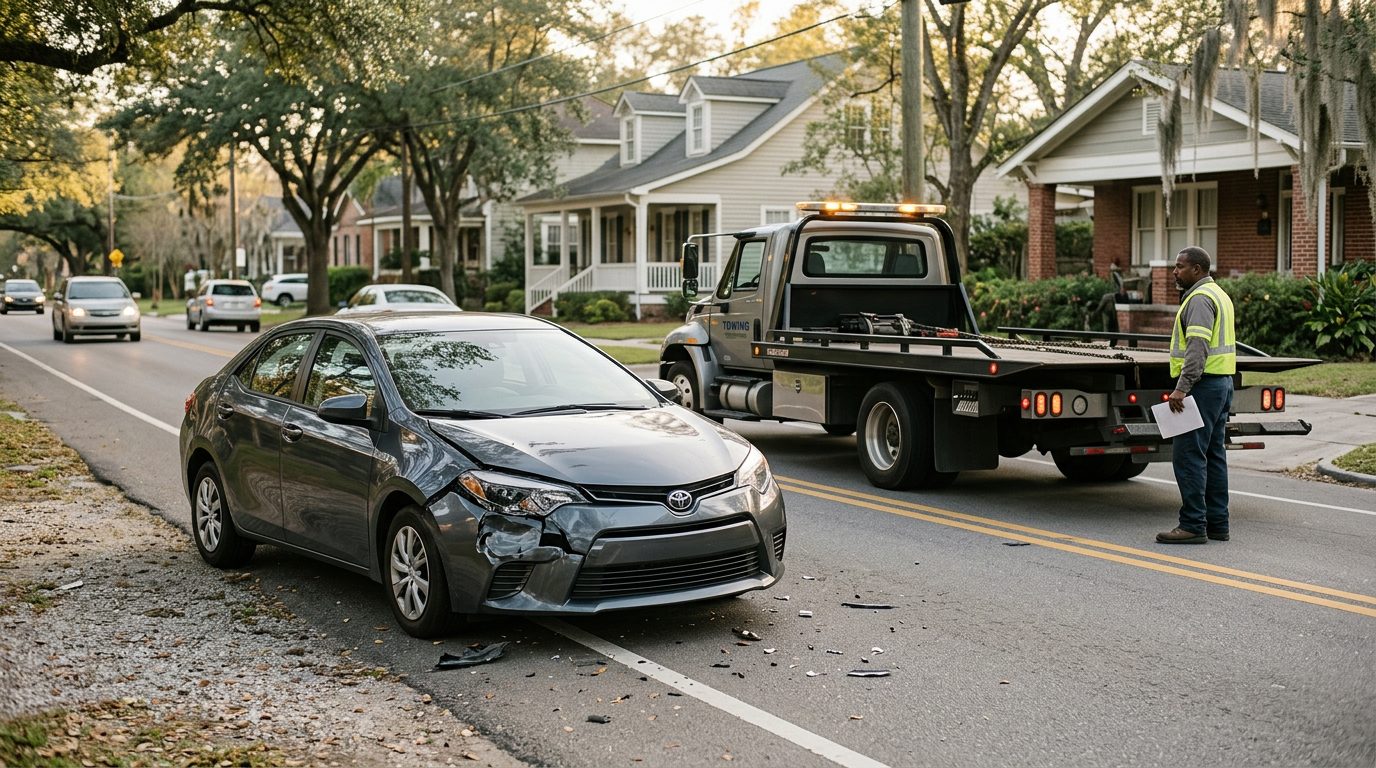
Car Accidents | New Orleans, Louisiana
Hurt in a New Orleans Car Crash? Here Is Who to Call First
In the first minutes after a crash, a few clear steps can protect your health and help preserve what happened on the road.
By Przemek Lubecki · Published November 9, 2026
If you were just in a crash, or you’re reading this for a family member who was hurt, you may feel shaken and unsure what to do. The short answer: call 911 first if anyone is hurt. Then notify the police and the insurers, and start keeping records.
Who to Call First After a Car Accident in New Orleans
Call 911 first if anyone is injured, if a vehicle is blocking traffic, or if anyone seems confused or can’t move safely. Emergency responders and medical care come before anything else.
Get checked even if you feel fine. An ambulance ride or emergency room visit creates a medical record that starts the day of the crash.
Some injuries don’t show up right away. The Brain Injury Association of America says traumatic brain injury symptoms may be masked or delayed after a car accident. Report new or lasting symptoms, such as headaches, dizziness, or memory trouble, to a health care professional promptly.
The usual order is emergency services and medical care, then the police, then insurers. If you’re calling for someone who was hurt, the same first step applies. Make sure they are safe and that someone can get medical help.
If you're sorting this out for yourself or someone you love, you don't have to face the next steps alone. Przemek Lubecki offers a free, confidential consultation with no obligation to continue. Talk it through with our team — the first consultation is free, confidential, and carries no obligation.
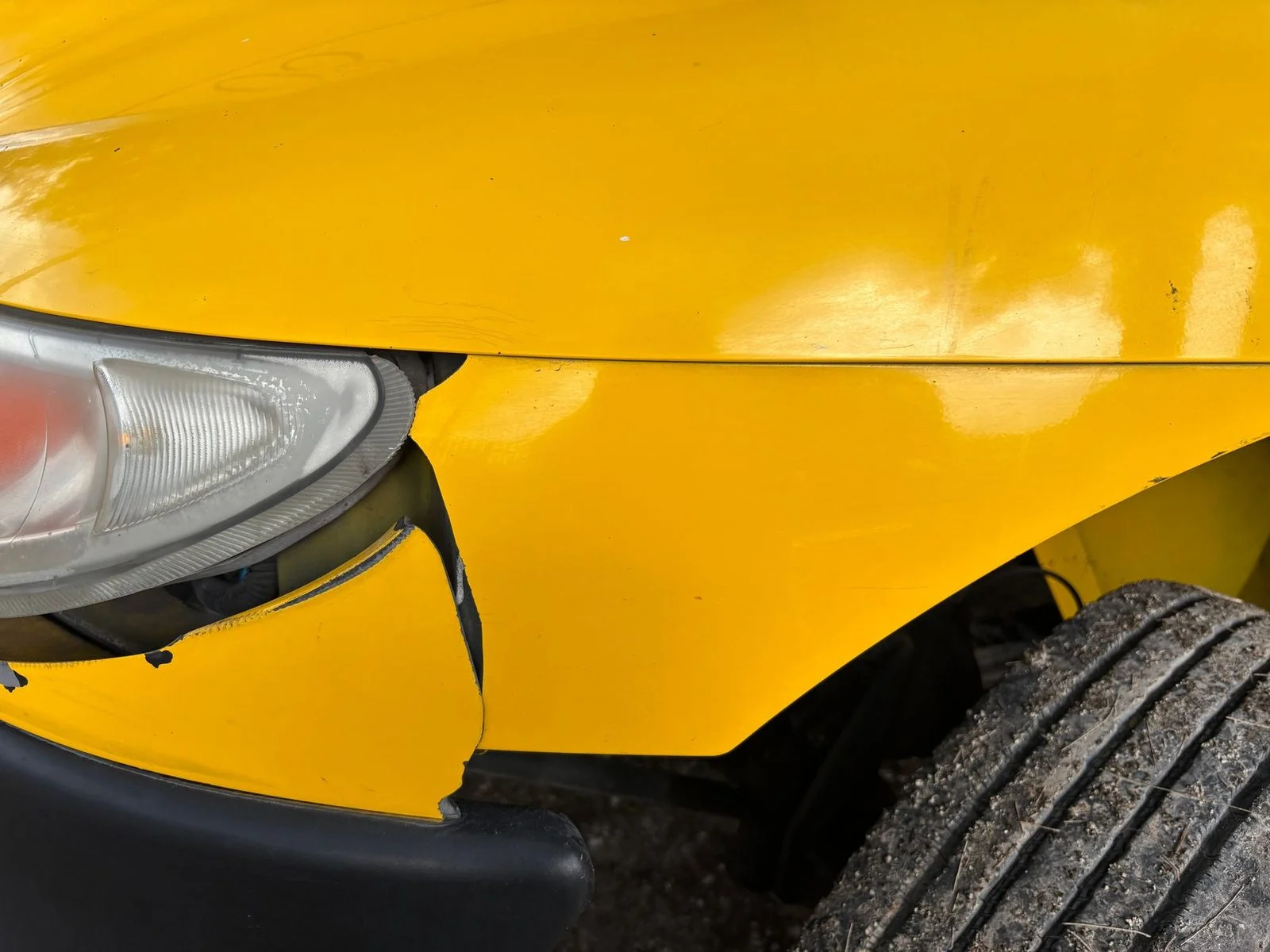
Should You Call the Police After a Crash in New Orleans?
Yes. A police report creates an official record of the crash, including the vehicles, the people involved, and what the officer observed.
Under La. R.S. 32:398, the driver of a vehicle involved in a crash resulting in injury to or death of any person, or property damage in excess of five hundred dollars, shall give his name, address, and the registration number of the vehicle he was driving and, upon request and if available, exhibit his license or permit to drive to any person injured in the crash or to the driver or occupant of or person attending any vehicle or other property damaged in the crash. See La. R.S. 32:398. Inside New Orleans city limits, the city police department investigates. Outside city limits, state police or the sheriff’s office does.
Ask the officer for the report number and the agency that holds the report. Under the same statute, crash reports are confidential. Upon request, they are made available only to the parties, parents or guardians of a minor who is a party to the crash, their attorneys, and their insurers, an insurance support organization under contract to provide claims and underwriting, as well as any healthcare provider who rendered services to a party, succession representatives, and news-gathering organizations requesting documents about a specific crash, within seven working days following the completion of the crash investigation.
Crash reports are confidential and exempt from Louisiana’s public-records law under La. R.S. 32:398(I)(1)(a). Released reports may be redacted to protect privacy, according to NOLA.gov police reports.
At the scene, state only the facts you know. Don’t guess about speed, and don’t admit fault. Let the report record what the officer saw.
Whose Insurance Should You Call After a Car Accident?
Call your own auto insurer promptly, even if you believe the other driver caused the crash. Then report the crash to the other driver’s insurer, or get that insurer’s name and policy details.
Write down every claim number. Keep a simple log of each insurance call with the date, the person’s name, and what was said.
You may be asked for a recorded statement. If you give a written or recorded statement, La. R.S. 13:3732 says the person who took it must give you a true and complete copy within twenty days after a written demand. It’s reasonable to ask for time to gather facts before you agree to one.
If the other driver has no insurance, your own uninsured motorist coverage may matter. Under La. R.S. 22:1295, when you are injured while occupying an automobile not owned by you, a resident spouse, or a resident relative, uninsured motorist coverage on that vehicle is primary.
Save your ride app receipts and screenshots.
What Should You Collect at the Scene and in the Days After?
Photograph the scene and vehicles, get the other driver’s details, and write down witness names before you leave. Memory fades fast, so do this early.
Take photos of vehicle damage, the cars’ positions, skid marks or debris, traffic signals, and visible injuries. Shoot from several angles.
Record the other driver’s name, license, plate number, insurer, and contact information. Note the names of passengers and witnesses. Write down the time, location, weather, and road conditions.
Keep every medical bill, prescription receipt, and appointment summary in one folder. Add a record of time missed from work.
If a commercial truck is involved, federal rules may require drug and alcohol testing after a crash. The FMCSA explains when that testing applies. Note the company name on the truck.
When Should You Talk to a Car Accident Lawyer?
Many people talk with a car accident lawyer when injuries are serious, when fault is disputed, or when a commercial, company, rideshare, or motorcycle vehicle is involved. Some talk with one after a loved one has died.
Louisiana’s fault rule matters for crashes on or after January 1, 2026. Under La. Civ. Code art. 2323, a person whose injury results partly from their own negligence and partly from others’ fault is not entitled to recover damages if their share of negligence is 51% or more; if their share is less than 51%, the damages recoverable are reduced in proportion to that share. Notwithstanding these rules, if the other fault belongs to an intentional tortfeasor, the injured person’s claim is not reduced. Under La. Civ. Code art. 2323, if the degree of negligence attributable to the person suffering injury, death, or loss is less than fifty-one percent, the amount of damages recoverable is reduced in proportion to that degree; however, when the injury, death, or loss results partly from the fault of an intentional tortfeasor, the claim is not reduced.
Deadlines also matter. Under La. Civ. Code art. 3493.1, most fault-based injury claims have a two-year period that starts on the day the injury or damage occurs. For wrongful death, La. Civ. Code art. 2315.2 sets one year from the death or two years from the day that injury or damage is sustained, whichever is longer; for medical malpractice actions, the period is one year from the death.
The firm handles truck accidents, car accidents, commercial vehicle accidents, rideshare accidents, motorcycle accidents, wrongful death, and brain injury matters. Przemek Lubecki is the responsible lawyer for this page. The firm’s office is in New Orleans, and it serves people in Metairie, Jefferson Parish, Kenner, St. Bernard Parish, Slidell, and across Louisiana. The firm may associate or refer a case to other law firms. Our team, including support staff, can answer your questions about the process.
Quick Summary and Your Next Step
Call 911 for injuries, get the police report, notify insurers, keep your evidence, and talk with a lawyer when the situation calls for it.
You don’t need to decide anything today. You may be reading this while still recovering, or while helping someone else through it.
If you’re sorting this out for yourself or someone you love, you don’t have to face the next steps alone. Przemek Lubecki can talk through what happened in a free, confidential consultation with no obligation to continue. Call 855-LUBECKI or request a free case evaluation.
Not sure what your next step is?
Talk it through with our team — the first consultation is free, confidential, and carries no obligation.
Frequently Asked Questions
Who should I call first after a car accident in New Orleans?
Call 911 right away, especially if anyone is hurt, so police and emergency medical help can respond. If it is safe to do so, stay at the scene until help arrives.
Should I call the police after a car accident in New Orleans?
Yes. A police report creates an official record of the crash, which can be useful if questions come up about what happened later.
Do I need to see a doctor after a car accident if I feel fine?
Yes, it is wise to get a medical evaluation soon after a crash, because some injuries, including brain injuries, can take hours or days to show symptoms. Keep records of every visit and treatment.
When should I call a lawyer after a car accident in New Orleans?
You can call American Trial Lawyer’s New Orleans office at 855-LUBECKI for a free, confidential first consultation with no obligation to continue, where responsible lawyer Przemek Lubecki can review your situation. The firm may associate or refer a case to other law firms.
The order that matters most
1. Call 911
If anyone is hurt, or the crash blocks traffic, call 911 right away so police and emergency medical help can respond. If it is safe, stay at the scene until help arrives.
2. Get medical care
Some injuries, including brain injuries, may not show symptoms for hours or days. Being checked by a medical professional creates a record of your condition from the start.
3. Document the scene
If you are able, photograph vehicle damage, the roadway, traffic signals and any visible injuries, and write down the names and contact details of witnesses.
4. Speak with a lawyer
Before giving recorded statements or signing anything, talk with a trial lawyer who can explain your options. The firm may associate or refer a case to other law firms.
A key reminder
Do not guess about injuries or fault at the scene. Stay calm, avoid admitting blame, and let police and medical professionals do their work.
Why people start with American Trial Lawyer
A free first consultation
The first consultation is free, confidential and without obligation to continue.
Based in New Orleans
Our office is in New Orleans, and we serve people across Orleans Parish, the New Orleans metro and Louisiana.
Led by Przemek Lubecki
Trial lawyer Przemek Lubecki is the responsible lawyer for this page and leads the firm's work on serious crash cases.
Focused on serious injuries
We represent people seriously hurt in car, truck, commercial vehicle and motorcycle crashes, and families in wrongful death cases.