
Wrongful Death and Car Accidents | New Orleans, Louisiana
Watching a Fatal Crash Can Leave Lasting Emotional Harm
Przemek Lubecki and the team at American Trial Lawyer, LLC help Louisiana families and witnesses understand their options after a deadly crash.
By Przemek Lubecki · Published November 2, 2026
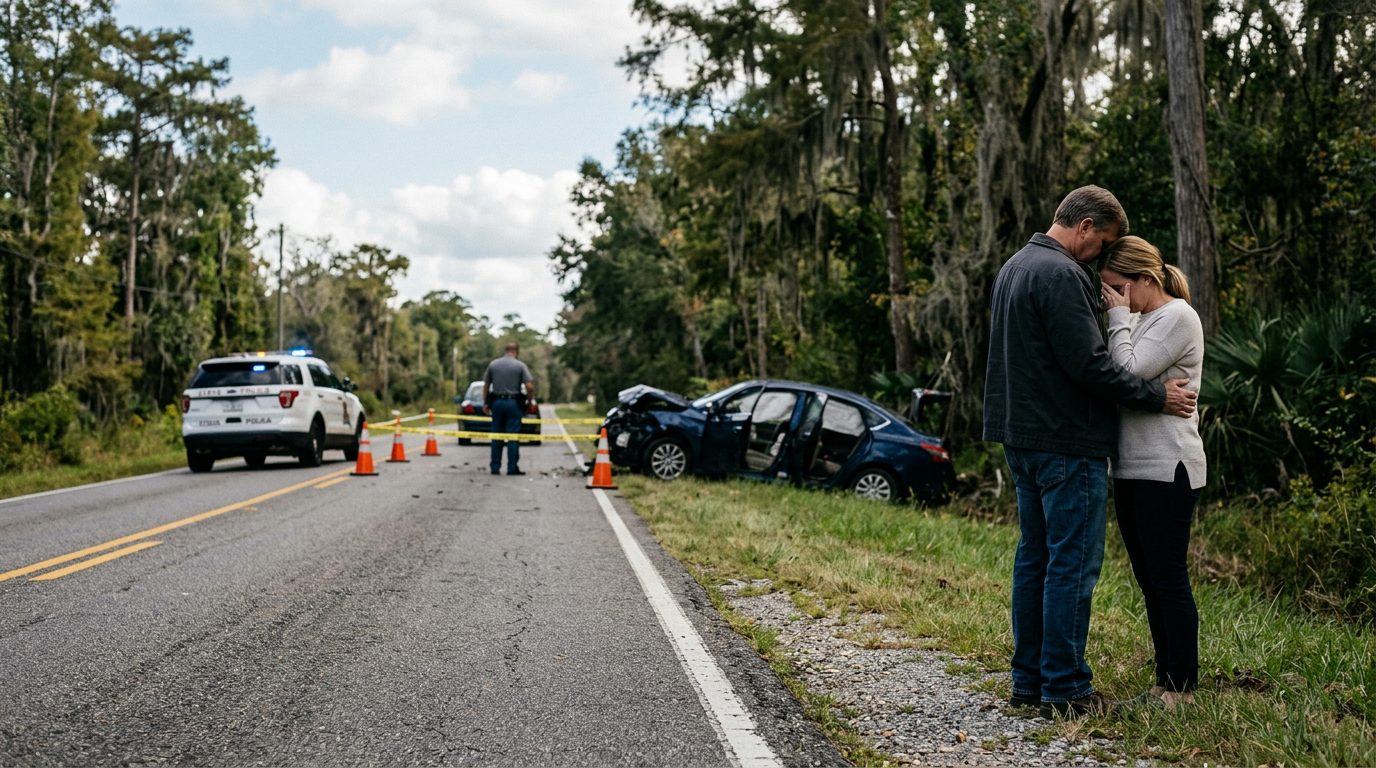
If you witnessed a fatal crash, can you seek damages for your own emotional distress in Louisiana? In some cases, yes. Louisiana law lets certain close relatives seek damages for emotional distress from a crash they viewed or came upon soon afterward. Whether a particular claim can go forward depends on the facts. This page explains witnessed fatal crash emotional distress claims in plain terms and shows how they differ from a wrongful death claim. It is general information, not advice about any one situation.
Short answer: when a family member’s emotional distress can be part of a claim
A close relative can seek damages for their own emotional distress only if they meet the conditions in Louisiana Civil Code article 2315.6. The La. Civ. Code art. 2315.6 lists who may claim. The list covers a spouse, child or grandchild, parent, brother or sister, and grandparent of the injured person. The relative must have viewed the event that caused the injury, or come upon the scene soon afterward.
The distress also has to meet a high standard. The injured person must have suffered harm that a reasonable person in the claimant’s position would be expected to find seriously distressing. The claimant’s distress must be severe, debilitating, and foreseeable. Under the same article, damages for this kind of harm are recoverable only in the way the article allows.
This is a separate claim from the wrongful death case. The next section explains how the two differ.
If you watched a loved one die in a crash, or came upon it soon after, you do not have to face these questions alone. Our New Orleans office offers a free, confidential first consultation. Talk it through with our team — the first consultation is free, confidential, and carries no obligation.
Two different claims: the family’s own injuries and the wrongful death claim
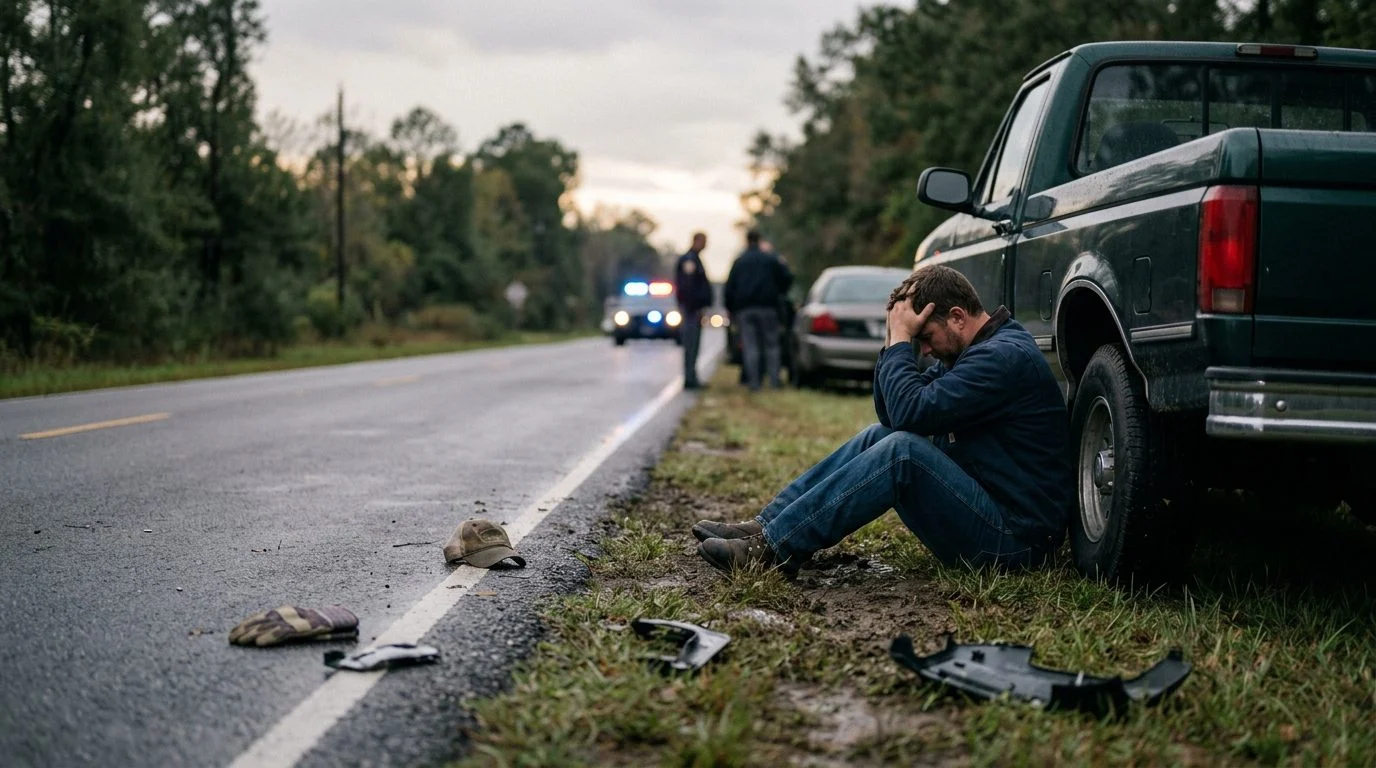
A wrongful death claim covers the family’s losses from a death. A bystander claim covers a relative’s own emotional injury. These are two different claims, even when they come from the same crash.
Under La. Civ. Code art. 2315.2, a suit may be brought to recover damages the survivors sustained because of a death caused by another’s fault. Who may sue depends on who survived. A surviving spouse and children come first. If there is no spouse or child, the parents may sue. Next come brothers and sisters, and then grandparents. Each later group may sue only if no closer relative survived.
La. Civ. Code art. 2315 adds that damages may include loss of consortium, service, and society. Loss of consortium, service, and society damages can be recovered by the same categories of people who could bring a wrongful death action (La. Civ. Code art. 2315(B)). La. Civ. Code art. 2315 also reads: “Damages do not include costs for future medical treatment, services, surveillance, or procedures of any kind unless such treatment, services, surveillance, or procedures are directly related to a manifest physical or mental injury or disease.” A witness’s own emotional injury is a different question. It follows the rules of article 2315.6. A case can include both claims, and each one has its own requirements.
What Louisiana courts look at for bystander emotional distress
Each one matters on its own. None of them decides a case alone.
Relationship. Only the relatives named in article 2315.6 may bring this kind of claim. A close friend or a more distant relative does not fit the statute’s list.
Presence. The statute covers a person who viewed the event, or who came upon the scene soon afterward. Its wording does not mention someone who learned of the crash by phone or from others. That difference can affect how a case is reviewed.
Perception. What the person saw, heard, or experienced at the time is central. Two relatives at the same scene are looked at separately, because each one’s perception and distress belong to them.
Severity and foreseeability. The distress must be severe, debilitating, and foreseeable. Medical and counseling records can help show how serious the distress was and when it began.
Arriving at the scene after the crash
A relative who comes upon the scene soon after a crash falls under the same statute as one who watched it happen. The law uses the words “soon thereafter.” Timing matters. So does what the person saw at the scene. The statute applies only to the following persons who view an event causing injury to another person, or who come upon the scene of the event soon thereafter: the spouse, child or children, and grandchild or grandchildren of the injured person; the father and mother of the injured person; the brothers and sisters of the injured person; and the grandfather and grandmother of the injured person; it does not mention what they were told there. These details can be considered together when a case is evaluated.
A family member should not have to rebuild every detail alone. A lawyer can review what the person experienced, what they saw, and when they saw it. That review can be where the facts of a witnessed fatal crash emotional distress claim take shape.
Crash reports can help with that review, but access is limited. Under La. R.S. 32:398, crash reports and their information are confidential. They are made available only to listed people. That list includes the parties to the crash, their insurers, their healthcare providers, their attorneys, and succession representatives.
Evidence that often matters for a family member’s emotional injury
Medical and counseling records that document the distress can be important evidence. They show the symptoms, the dates, and how the person’s health changed after the crash.
Treatment records. Visits to a doctor, therapist, or counselor after the crash create a record. The record shows what was reported and when.
Witness accounts. People who were present can describe what happened. They can also describe what the family member did and said at the scene.
Crash and police records. A crash report can describe the vehicles, the persons involved, and the conditions at the time. That context helps place the family member’s experience in time and location.
Photos and video. Scene photos or video, where they exist, can show what the scene looked like. They can help a reviewer understand what the person came upon.
A personal timeline. Write down what you saw, heard, and felt while your memory is fresh. Include the times you can recall. A written timeline helps a lawyer review your account later.
Changes in daily life. Records of missed work, changes in sleep, and strained family relationships can show how the loss affected you.
How these claims fit into a Louisiana wrongful death case
A family member’s own claim and the wrongful death claim can sit in the same case. Each one answers a different question.
Timing is strict. Under La. Civ. Code art. 2315.2, the right of action prescribes one year from the death or two years from the day injury or damage is sustained, whichever is longer. Claims for injury are generally subject to a two-year period under La. Civ. Code art. 3493.1.
Fault also matters. Under La. Civ. Code art. 2323, damages can be reduced by the share of fault attributed to the person who was hurt or died. Under La. Civ. Code art. 2323(A)(2)(a), if the degree or percentage of negligence attributable to the person suffering injury, death, or loss is equal to or greater than fifty-one percent, that person shall not be entitled to recover damages (La. Civ. Code art. 2323).
The New Orleans office serves people in Orleans Parish and the New Orleans metro area. The firm handles truck, car, commercial vehicle, rideshare, and motorcycle crash cases, along with wrongful death and brain injury claims. For the broader steps of a wrongful death case in Orleans Parish, see the firm’s wrongful death guide.
The firm may associate or refer a case to other law firms. If that happens, the client is told and the arrangement is explained.
Not sure what your next step is?
Talk it through with our team — the first consultation is free, confidential, and carries no obligation.
Talk with a lawyer about your own situation
A lawyer can review your facts and explain how Louisiana’s rules apply to them. Your situation may be different from the examples on this page.
If you watched a loved one die on the road, or came upon the crash soon after, you do not have to sort out these rules alone. Przemek Lubecki and the New Orleans office offer a free, confidential first consultation, with no obligation to continue. Call 855-LUBECKI or request a free case evaluation.
Przemek Lubecki is responsible for the content of this page.
Can a parent who arrives after a crash claim emotional distress in Louisiana?
A parent may be able to, if they came upon the scene soon afterward. Louisiana law lists parents among the relatives who may claim. What the parent perceived, and when, matters.
What is the difference between a wrongful death claim and a bystander claim?
A wrongful death claim covers the survivors’ losses from a death. A bystander claim covers a relative’s own emotional injury.
How long do I have to file?
The general rule under article 2315.2 is one year from the death or two years from the injury, whichever is longer. Other rules can apply.
Understanding emotional distress after a fatal crash
Emotional harm is real
Shock, grief, nightmares and difficulty functioning can follow seeing a deadly crash, even when you were not physically hurt.
Family members and bystanders
Relatives and others who witnessed or came upon a serious crash may have experiences that are worth discussing with a lawyer.
Details that matter
Notes about what you saw and heard, when you arrived, and any medical or counseling care you received can help give a fuller picture.
Talk it through
Przemek Lubecki will listen, explain the questions that come up in these cases, and answer them in plain language.
Your health comes first
Strong reactions after witnessing a crash are common. If symptoms continue or make daily life harder, please speak with a medical professional about your health.
How the firm can help
Free, confidential consultation
The first consultation is free, confidential and without obligation to continue.
A trial lawyer you can talk to
Przemek Lubecki focuses on serious truck, commercial vehicle and car crash cases, wrongful death matters and brain injury claims, and takes time to understand your family's situation.
Referrals when they fit
If your case is a better fit for another law firm, American Trial Lawyer, LLC may associate or refer the case to other law firms, and we will tell you if that is likely.
Serving Louisiana families
The office is in New Orleans. The firm represents people throughout Orleans Parish, Jefferson Parish, Metairie, Kenner, St. Bernard Parish, Slidell and across Louisiana.