
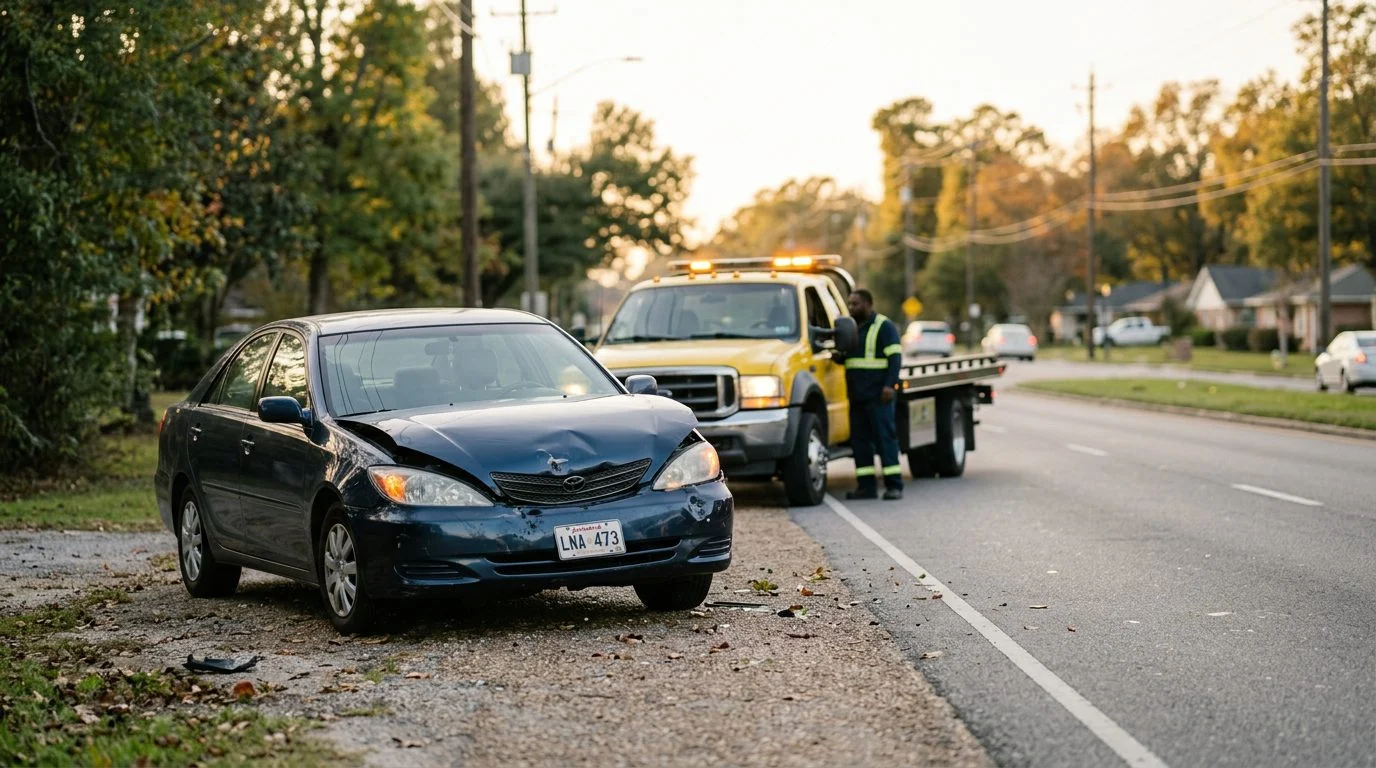
Car Accident Law | New Orleans, Louisiana
Louisiana Car Accident Laws, Explained in Plain Language
Przemek Lubecki and the team at American Trial Lawyer, LLC, in New Orleans, outline how Louisiana car accident law generally works for drivers, passengers and families. The firm may associate or refer a case to other law firms.
By Przemek Lubecki · Published October 30, 2026
Louisiana Car Accident Law at a Glance
Louisiana car accident law comes from three main areas: the state civil code on fault and damages, the state insurance rules for drivers, and the time limits for filing a claim. Together, these rules shape who may be held responsible and what a claim can recover. Many people asking what are the laws in Louisiana regarding car accidents are trying to answer that question right after a crash.
If you’re reading this, you may be dealing with an injured family member, a damaged car, or an insurance letter you didn’t expect. The law can feel hard to follow when you’re already worn out. That’s normal, and many people reading this are researching for someone else.
This page gives general information about Louisiana law. It is not legal advice about any particular crash. The sections below cover fault, insurance, deadlines, criminal and civil cases, talking with insurers, and wrongful death. You can jump to the part that matters most to you.
If you were hurt in a crash, or you're helping a family member through one, you don't have to sort out the deadlines and insurance calls alone, and we're glad to talk it through. Talk it through with our team — the first consultation is free, confidential, and carries no obligation.
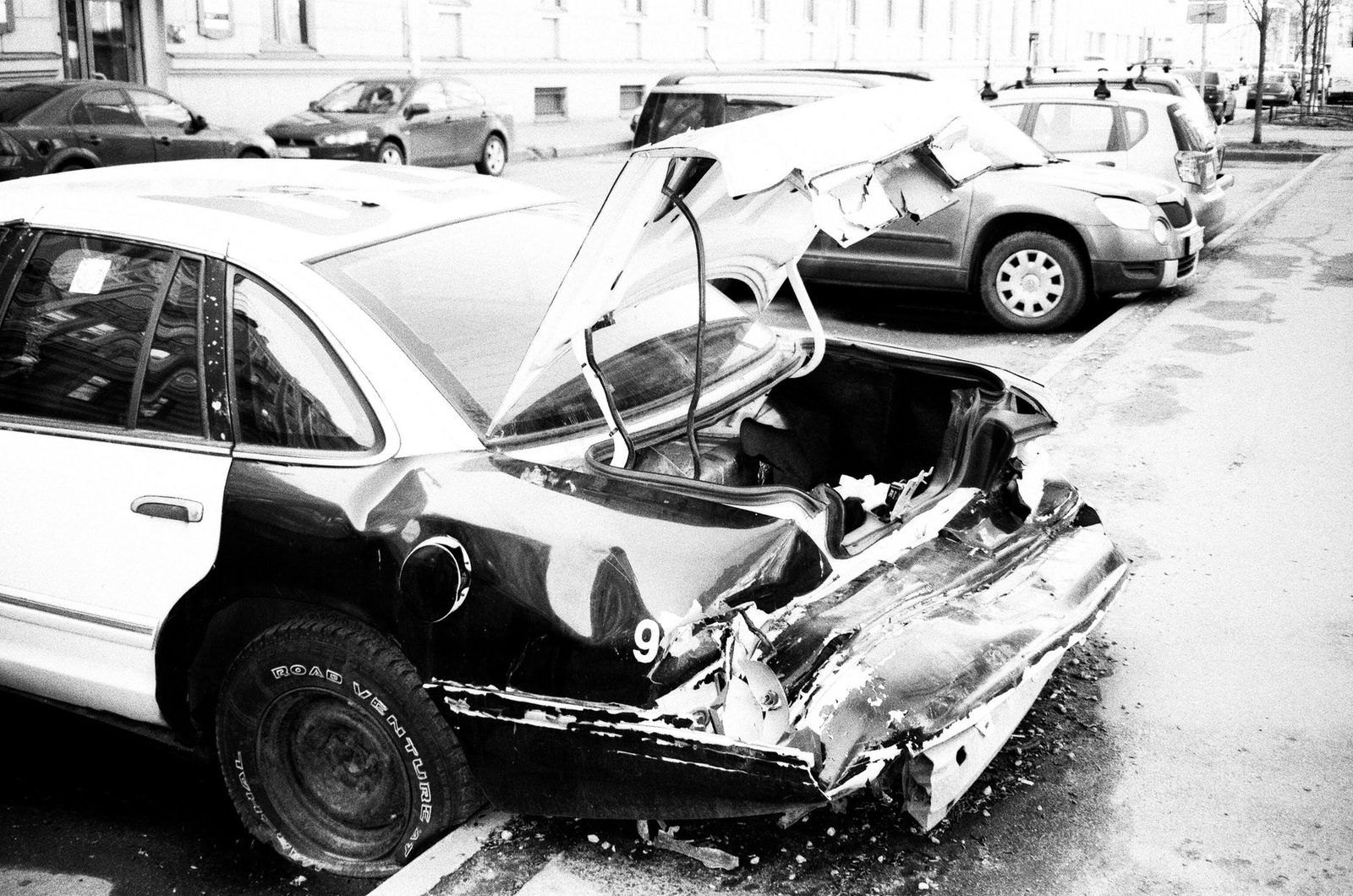
Louisiana Is an At-Fault State, Not a No-Fault State
In Louisiana, the driver whose fault caused a crash is generally the one who must repair the harm. The civil code says every act that causes damage to another obliges the person whose fault caused it to repair that damage. Louisiana Civil Code art. 2315
Negligence is the everyday word for carelessness behind the wheel. Distraction, speeding, and failing to watch the road are common examples. When one driver’s carelessness causes injury, that driver’s insurance usually becomes central to the claim.
That’s why the at-fault driver’s liability coverage matters so much. When you present a claim, you’re asking the at-fault driver, and usually that driver’s insurer, to cover the harm. Your own policy may also help in some situations, and we cover that below.
How Fault Is Divided: Louisiana’s Comparative Fault Rule
For crashes on or after January 1, 2026, Louisiana applies modified comparative fault. Under La. Civ. Code art. 2323, a person suffering injury, death, or loss partly from their own negligence and partly from another’s fault is not entitled to recover damages if their own negligence is equal to or greater than fifty-one percent, unless that other person is an intentional tortfeasor, in which case the claim is not reduced. Under La. Civ. Code art. 2323, if the degree or percentage of negligence attributable to a person suffering injury, death, or loss is less than fifty-one percent, the amount of damages recoverable is reduced in proportion to that degree or percentage of negligence. Louisiana Civil Code art. 2323
The same article says the fault of all persons who contributed to an injury is decided. That applies whether or not each person is a party to the lawsuit.
Here is an illustrative example, not a prediction. Suppose total damages were $100,000 and the injured person was 20% at fault. Under the reduction rule, the recoverable amount would be $80,000. At 51% or more under the newer rule, nothing would be recoverable.
How fault is assigned is based on the evidence. Police reports, photos, vehicle damage, and witness accounts all help paint that picture.
Insurance Requirements and the No Pay, No Play Rule
Louisiana requires most self-propelled vehicles registered in the state to carry compulsory auto liability insurance or another form of security the law recognizes. Under La. R.S. 32:861, most registered self-propelled motor vehicles must be covered by liability security, but some vehicle types are excepted, so the statute’s full list matters.
“No Pay, No Play” is the nickname for the rule about uninsured drivers. Under La. R.S. 32:866, an owner or operator who fails to keep the required security faces a limit. Under La. R.S. 32:866, there shall be no recovery for the first one hundred thousand dollars of bodily injury and no recovery for the first one hundred thousand dollars of property damage based on a cause or right of action arising out of a motor vehicle accident, for such injury or damages occasioned by an owner or operator of a motor vehicle involved in such accident who fails to own or maintain compulsory motor vehicle liability security.
That limit does not apply in every case. The statute lists several exceptions, including when the other driver is cited for and convicted of (or pleads no contest to) DWI under R.S. 14:98, intentionally causes the accident, flees the scene, or is committing a felony at the time, and when the other vehicle was not being operated and was not in violation of Chapter 1 of Title 32.
Your own policy may include uninsured and underinsured motorist coverage. La. R.S. 22:1295 says this coverage protects insureds who are legally entitled to recover nonpunitive damages from owners or operators of uninsured or underinsured vehicles. You may reject it, select lower limits, or choose economic-only coverage. Economic-only coverage excludes noneconomic loss, such as pain and suffering.
After a crash, look at your declarations page, the summary that lists your coverage and limits. Write down the other driver’s insurance details if you can.
Can I Sue Someone for Crashing My Vehicle?
Yes, in general. Any claim is subject to insurance limits and to filing deadlines.
A property damage claim covers the vehicle, such as repair costs or a total loss. A bodily injury claim covers the harm to the person. These are separate claims, even when they come from the same crash.
If your car is off the road, your own policy may cover a rental. Louisiana law says coverage in your original policy extends to rental and substitute vehicles, and that coverage is primary. La. R.S. 22:1296 The primary rule changes if you buy other coverage for the rental.
Lost income and other out-of-pocket costs are common parts of a claim. Which losses apply turns on the crash and the records that support them.
Our firm may associate or refer a case to other law firms. Any such arrangement would be disclosed to you.
Filing Deadlines and Why Timing Matters
A missed deadline can end a claim, so timing matters early. As a general rule, Louisiana gives two years from the day injury or damage is sustained to file a delictual (tort) action. La. Civ. Code art. 3493.1
The statute also has exceptions. A short time frame is easy to misjudge, especially when a claim has several parts.
Wrongful death claims follow a different clock, which is covered in the wrongful death section below.
Early steps help while the facts are fresh. Photos of the scene and vehicles, the names of any witnesses, the crash report number, and early medical records are easier to gather now than later.
If you’re still weighing whether to act, that is one reason to talk through the details sooner rather than later.
Not sure what your next step is?
Talk it through with our team — the first consultation is free, confidential, and carries no obligation.
Criminal Charges and Civil Claims Are Separate
A crash can lead to a criminal case, a civil injury claim, or both. These are separate tracks with separate purposes. A criminal case is brought by the state. A civil claim is brought by the injured person or the family.
Louisiana has criminal laws for some crashes that cause injury or death.
If you receive a traffic citation, a crash report, or any letter from law enforcement, keep it. Note the report number and the officer’s name if you have them.
Talking With Insurance Companies and Keeping Evidence
Stick to facts you know. Avoid guessing about speed, fault, or the extent of an injury before you understand your situation.
Louisiana law gives you a right to a copy of certain statements. If someone takes a written, recorded, or transcribed statement from you about a crash or injury, that person must give you a true and complete copy. La. R.S. 13:3732 The copy is due within twenty days after your written demand.
The same statute says a statement cannot be used in a related civil case if the person holding it refused, on request, to give you a copy.
An adjuster works for the insurance company, not for you. You don’t have to accept a first offer. Don’t sign a release until you understand what it covers.
Keep the crash report number, photos of the scene and vehicles, medical visit notes and bills, and a simple daily log of symptoms and missed work. A log like this helps you remember details later.
When a Crash Is Fatal: Wrongful Death Under Louisiana Law
If you are reading this about a family member who died, these questions feel heavier. Take the time you need with them.
Louisiana lets certain surviving family members sue when another person’s fault causes a death. The surviving spouse and children may sue. If there is no spouse or child, the surviving father and mother may sue. Brothers and sisters may sue if there is no spouse, child, or parent. Grandparents may sue if none of those family members survive. Louisiana Civil Code art. 2315.2
The same article sets the time limit. A wrongful death action prescribes one year from the death or two years from the day the injury was sustained, whichever is longer, except that a medical malpractice wrongful death action prescribes one year from the death.
Damages may include loss of consortium, service, and society. Those are the everyday ties of a family relationship, and the same family members who can sue for the death may recover them. Louisiana Civil Code art. 2315
Families often need the medical records of the person who died. Our guide to filing a wrongful death lawsuit in Orleans Parish covers the wider process, and a separate resource covers getting a deceased relative’s medical records.
Talk Through Your Situation With Przemek Lubecki
If you were hurt in a crash, or you’re trying to make sense of one that injured or killed someone you love, the letters, deadlines, and insurance calls can pile up fast. You are deciding what to do next, and you don’t have to make that decision alone.
Przemek Lubecki is the responsible lawyer for this page. The office is in New Orleans, Louisiana, and the firm works with people across the New Orleans metro area and Louisiana.
You can call 855-LUBECKI or request a free case evaluation. The first consultation is free, confidential, and carries no obligation to continue.
This is general information. No outcome is predicted or promised.
Related Questions About Louisiana Car Accidents
Does Louisiana use modified comparative fault for crashes on or after January 1, 2026?
For accidents and injuries occurring on or after January 1, 2026, Louisiana applies modified comparative fault (La. Civ. Code art. 2323).
How does the fifty-one percent threshold apply?
Under La. Civ. Code art. 2323, as amended effective January 1, 2026, a person whose injury, death, or loss is partly the result of his own negligence, and whose share of negligence is equal to or greater than fifty-one percent, is not entitled to recover damages. If the injury is partly the result of an intentional tortfeasor’s fault, his claim for recovery of damages shall not be reduced.
Is Louisiana a no-fault state?
No. The at-fault driver is generally responsible for the harm, so that driver’s liability insurance is central to most claims.
What is No Pay, No Play?
It is the nickname for the rule limiting recovery for an uninsured owner or operator. The statutory limit in La. R.S. 32:866 applies to the first one hundred thousand dollars of bodily injury and the first one hundred thousand dollars of property damage, for an owner or operator who fails to own or maintain compulsory motor vehicle liability security, unless an exception in the statute applies, such as where the other vehicle’s driver, at the time of the accident, is in furtherance of the commission of a felony offense under the law. La. R.S. 32:866
Can a passenger sue for injuries?
Yes, a passenger may bring a claim for injury caused by another driver’s negligence. The exception is a passenger who also owns the uninsured vehicle.
How long do I have to file a car accident claim?
As a general rule, two years from the day injury or damage is sustained (La. Civ. Code art. 3493.1). Wrongful death claims follow their own deadline.
Can I get a copy of my recorded statement?
Yes. The person who took it must give you a copy within twenty days after your written demand.
Is vehicular negligent injury a felony?
Louisiana has criminal laws for some crashes that cause injury or death. Every case depends on its own facts, so the details of your situation matter.
Who can file a wrongful death lawsuit?
Certain surviving family members, in the order set by Louisiana law: spouse and children first, then parents, siblings, and grandparents.
Publication status: HELD for human reviewer. Minimum not met.
- Required: 2 citations. Added: 1 (Louisiana Department of Public Safety, compulsory insurance, placed on the auto liability insurance requirement).
- The FMCSA hours-of-service source does not match any claim in this article, which has no trucking or commercial-driver content. The La. Civ. Code art. 2320 opinion covers employer liability, which this article does not discuss. Linking either would place a citation on a claim it does not support, so I did not add them. Covering them would require new text, which the rules prohibit.
- Separately, the article’s existing links point to legis.la.gov URLs that are not in the approved list. I left them unchanged, as instructed, but a reviewer should confirm whether they are acceptable.
What This Guide Covers
How Fault Is Discussed
An overview of how Louisiana law looks at the actions of each driver involved in a crash.
Insurance and Claims
What to expect when dealing with insurance companies and how a claim is typically organized.
Injuries and Families
How serious injuries, brain injuries and wrongful death claims differ from property damage claims.
Commercial and Rideshare Crashes
Why crashes involving trucks, commercial vehicles and rideshare drivers can involve additional parties and rules.
Please Note
This guide is general educational information, not legal advice. Laws change over time, and every crash is different. Reading this page does not create an attorney-client relationship.
Common Questions Covered in This Guide
Who Can Be Responsible?
Drivers, vehicle owners, employers and others may be involved in a crash. This section explains the general ideas that come up in these situations.
Gathering Information
Police reports, photos, medical records and witness details often matter. Learn why keeping organized records helps the people involved in a claim.
Settlements and Court Cases
Many claims are resolved without a trial, while some move forward in court. Learn how each path generally works.
Free, Confidential Consultation
Your first consultation with the firm is free, confidential and without obligation to continue.