
Wrongful Death | New Orleans, Louisiana
When Someone Else's Carelessness Takes a Loved One's Life
A plain-language guide to the common grounds for a wrongful death lawsuit in Louisiana, from American Trial Lawyer in New Orleans, led by trial lawyer Przemek Lubecki.
By Przemek Lubecki · Published October 23, 2026
The short answer: a wrongful death claim rests on someone else’s fault
The typical grounds for a wrongful death lawsuit in Louisiana are the legal reasons another person or company may be responsible when someone dies. Most of these grounds come down to fault: a careless act, a failure to use reasonable care, or a hazard that was never addressed.
Louisiana law lets certain family members bring this kind of claim. Under La. Civil Code art. 2315.2, the surviving spouse and children may sue first. If the deceased left no spouse or child surviving, the surviving father and mother may sue, but a father or mother who has abandoned the deceased during his minority is deemed not to have survived him. Brothers and sisters come next, and grandparents after them, each only when the closer group is absent.
Each case turns on its own facts. A ground is a question to discuss with a lawyer, not a promise of how any claim will end. This guide covers negligence, crash-related conduct, commercial vehicle issues, and negligent security.
If you are asking whether a loss like this may give your family a legal claim, we're glad to talk it through with you. Talk it through with our team — the first consultation is free, confidential, and carries no obligation.
Negligence: a common ground in these cases
Questions about who was at fault are often central in injury cases, and the answers depend on the facts of each situation. Louisiana makes a person answerable for damage caused by negligence, imprudence, or want of skill, under La. Civil Code art. 2316. Under La. Civil Code art. 2315, the person whose fault caused the damage must repair it.
Consider a driver who runs a red light and causes a fatal crash. A lawyer would ask plain questions. Did the driver owe other road users a duty to stop at the light? Did the driver break that duty? Did that break cause the death? What losses did the family suffer?
Those losses can include loss of consortium, service, and society. La. Civ. Code art. 2315 reads: “Damages do not include costs for future medical treatment, services, surveillance, or procedures of any kind unless such treatment, services, surveillance, or procedures are directly related to a manifest physical or mental injury or disease.” These are the family’s losses of companionship and the day-to-day help the person gave. The same family members who may sue for the death may recover these losses.
Time limits matter too. Article 2315.2(B) says the right to sue prescribes (expires) one year from the death or two years from the injury, whichever is longer. Our wrongful death guide covers who may bring each claim and how the deadlines work.
Crash-related grounds: cars, trucks, motorcycles and rideshare trips
Crash claims often ask whether a driver drove carelessly. La. R.S. 32:58 says every driver on Louisiana public roads must drive in a careful and prudent manner, so as not to endanger anyone’s life, limb, or property. Common questions involve speeding, distracted driving, impairment, and failing to yield to people on foot or on motorcycles. La. R.S. 32:81 also bars following another vehicle more closely than is reasonable and prudent.
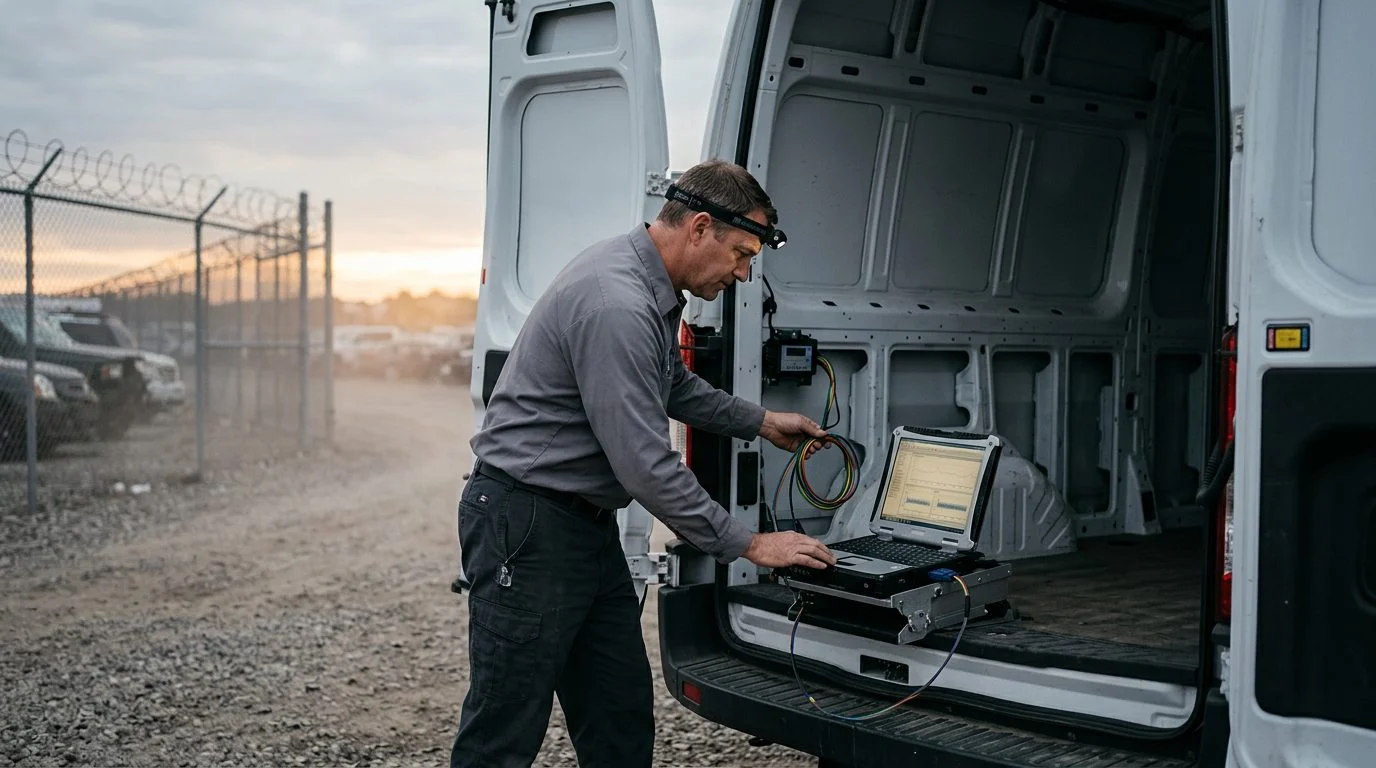
Commercial trucks add federal rules. 49 C.F.R. § 395.3 limits driving time. A driver may not drive before taking 10 consecutive hours off duty. Under federal rules for property-carrying commercial motor vehicles, a driver may drive a total of 11 hours during the period specified in paragraph (a)(2) of 49 C.F.R. § 395.3. 49 C.F.R. § 393.100 requires cargo to be secured so it does not leak, spill, blow, or fall.
Rideshare trips raise a key factual question. Was the driver logged into the app and on a trip when the crash happened?
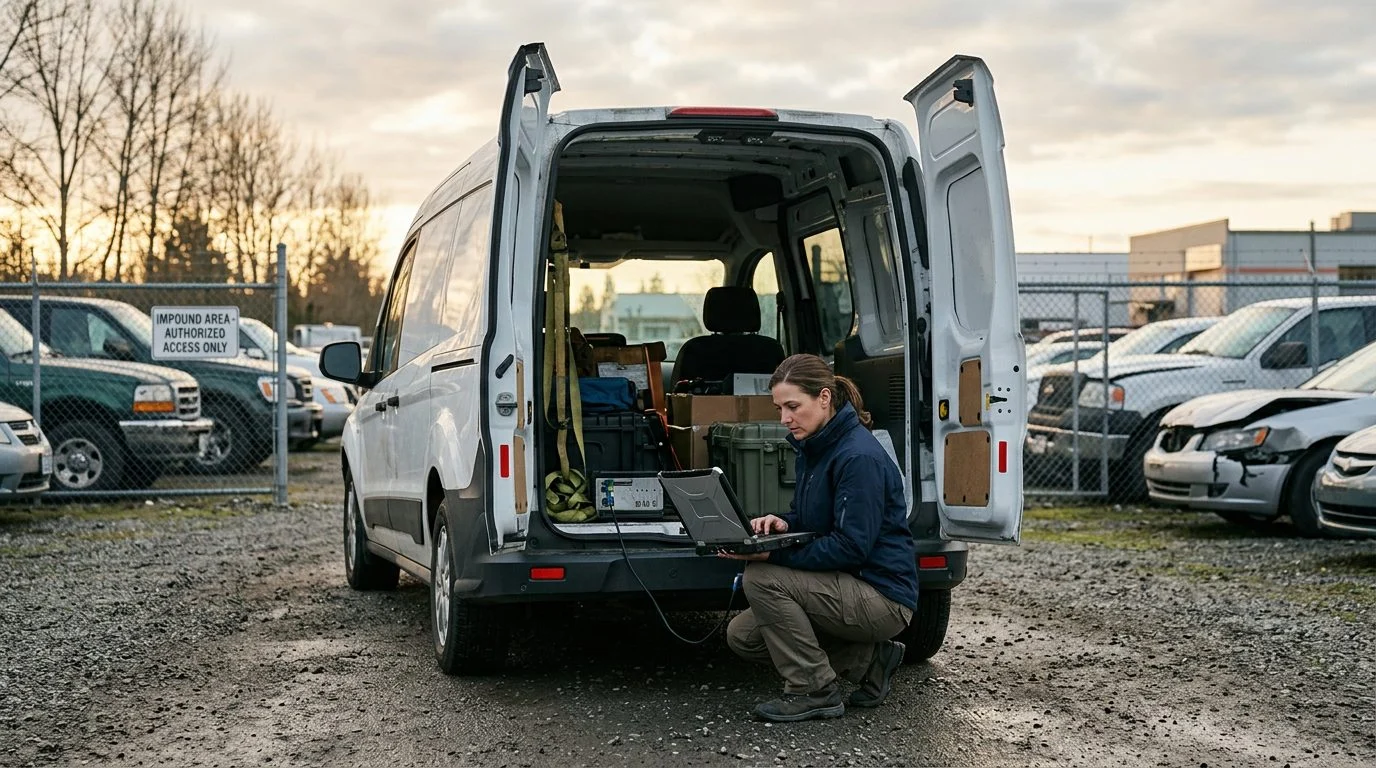
Vehicle defects can be another ground. La. Civil Code art. 2317.1 makes an owner or custodian answerable for damage from a defect only upon a showing that they knew or should have known of the defect, that the damage could have been prevented by the exercise of reasonable care, and that they failed to exercise such reasonable care. Brake or tire failures may raise this question, and these claims often need technical review of the vehicle.
Employers can face questions too. La. Civil Code art. 2320 makes employers answerable for damage caused by employees doing their work, but only when the employer might have prevented the act and did not. Questions about how a company hired, trained, or supervised a driver can be part of the review. For research on large truck crash deaths, see the IIHS Fatality Facts on large trucks.
Negligent security: when a preventable criminal act causes a death
A negligent security claim asks whether a property owner or manager failed to take reasonable steps against a foreseeable criminal act. The same general negligence rule in La. Civil Code art. 2316 applies to these questions.
Examples of conditions that may matter include prior incidents on the property, broken lighting, unlocked or unmonitored entrances, and no response to known risks. Each property is different, so its specific facts carry the most weight.
Records can help show what was known and what was done. Incident reports, maintenance logs, and camera footage are examples. Families who keep copies of these records early give a lawyer more to review.
How fault is shared and what affects the claim
Louisiana uses comparative fault, which divides fault among everyone involved. La. Civil Code art. 2323 says the fault of all persons who caused or contributed to a death is determined, including people who are not parties to the suit. Under La. Civ. Code art. 2323, if a person suffers injury, death, or loss partly as the result of his own negligence and partly as a result of the fault of another person or persons, and the degree or percentage of negligence attributable to that person is equal to or greater than fifty-one percent, then that person shall not be entitled to recover damages. This does not apply where the other fault is that of an intentional tortfeasor, in which case the claim shall not be reduced. Under La. Civ. Code art. 2323, if a person suffers injury, death, or loss partly as the result of his own negligence and partly as a result of the fault of another person or persons, and the degree or percentage of negligence attributable to that person is less than fifty-one percent, then the amount of damages recoverable shall be reduced in proportion to that degree or percentage. This does not apply where the other fault is that of an intentional tortfeasor, in which case the claim shall not be reduced.
More than one party can share fault. Examples include a driver and an employer, or a property owner and a security contractor. Under La. Civil Code art. 2324(B), unless a party conspired with another to commit an intentional or willful act, a party at fault is not liable for more than its own degree of fault.
Police reports, vehicle data, witness accounts, and surveillance footage often help show what happened.
Quick answers
What are the typical grounds for a wrongful death lawsuit?
Common grounds include negligence, careless driving, commercial vehicle rule violations, vehicle defects, and negligent security. Which ones apply depends on the facts of the death.
Who can file a wrongful death lawsuit in Louisiana?
Article 2315.2 puts the surviving spouse and children first. Parents, siblings, and grandparents follow only when the closer group is absent. A father or mother who abandoned the deceased during his minority is deemed not to have survived him, so that parent cannot file.
Talking through your family’s situation with Przemek Lubecki
If you’re reading this after losing someone, these questions can feel heavy. You may be trying to make sense of a crash or a preventable incident while still grieving. You didn’t choose this situation, and you don’t have to sort out the legal side alone.
The question in front of you may be whether the crash, the commercial truck, the rideshare trip, or the security failure gives your family a legal claim. If you want to talk that through, call 855-LUBECKI or request a free case evaluation. The first consultation is free and confidential, with no obligation to continue. You may owe case costs and expenses in addition to any fee.
The firm may associate or refer a case to other law firms. Przemek Lubecki is the responsible lawyer for this page, and the services are performed from the firm’s New Orleans office.
Grounds that may support a wrongful death claim
Negligence
Failing to use reasonable care, such as a careless act or a failure to act, can lead to a fatal injury. Whether this ground applies depends on the facts of each death.
Commercial vehicle rule violations
Trucks and commercial vehicles are subject to safety rules on hours of service, maintenance, cargo and driver qualifications. Violations of these rules may be part of a wrongful death case.
Vehicle defects
A mechanical or design defect in a vehicle, trailer or part may contribute to a fatal crash. These issues often require careful review of the vehicle itself.
Negligent security
Property owners and businesses may be responsible when inadequate security allows a foreseeable attack that causes a death.
Impairment and distracted driving
Driving while impaired, distracted or fatigued can lead to a deadly collision. Evidence of these conduct patterns is often important to the case.
Preserve what you can
Evidence from a crash or incident can be lost over time. If you have photos, police reports, medical records, bills or messages, keep them in a safe place. Our team can review what you have during a confidential consultation.
How we can help
Free, confidential consultation
Your first consultation is free, confidential and without obligation to continue. We will listen to what happened and explain the options in plain language. Depending on the case, American Trial Lawyer may associate or refer it to other law firms.
Cases we handle
We represent families in wrongful death cases and people seriously hurt in truck, commercial vehicle, car, rideshare and motorcycle crashes, as well as brain injury and negligent security matters.
Serving Louisiana families
Our office is in New Orleans, and we serve families in Orleans Parish, the New Orleans metro area and across Louisiana, including Metairie, Jefferson Parish, Kenner, St. Bernard Parish and Slidell.
Responsible lawyer
Przemek Lubecki, a trial lawyer, is responsible for the content of this page and leads the firm's work on these matters.
Talk with Przemek Lubecki about your family's situation
Related practice areas
- How to File a Wrongful Death Lawsuit in Orleans Parish: A Family’s Step-by-Step Guide
- Commercial Vehicle Wrongful Death New Orleans
- Pedestrian Killed By Car Wrongful Death New Orleans