
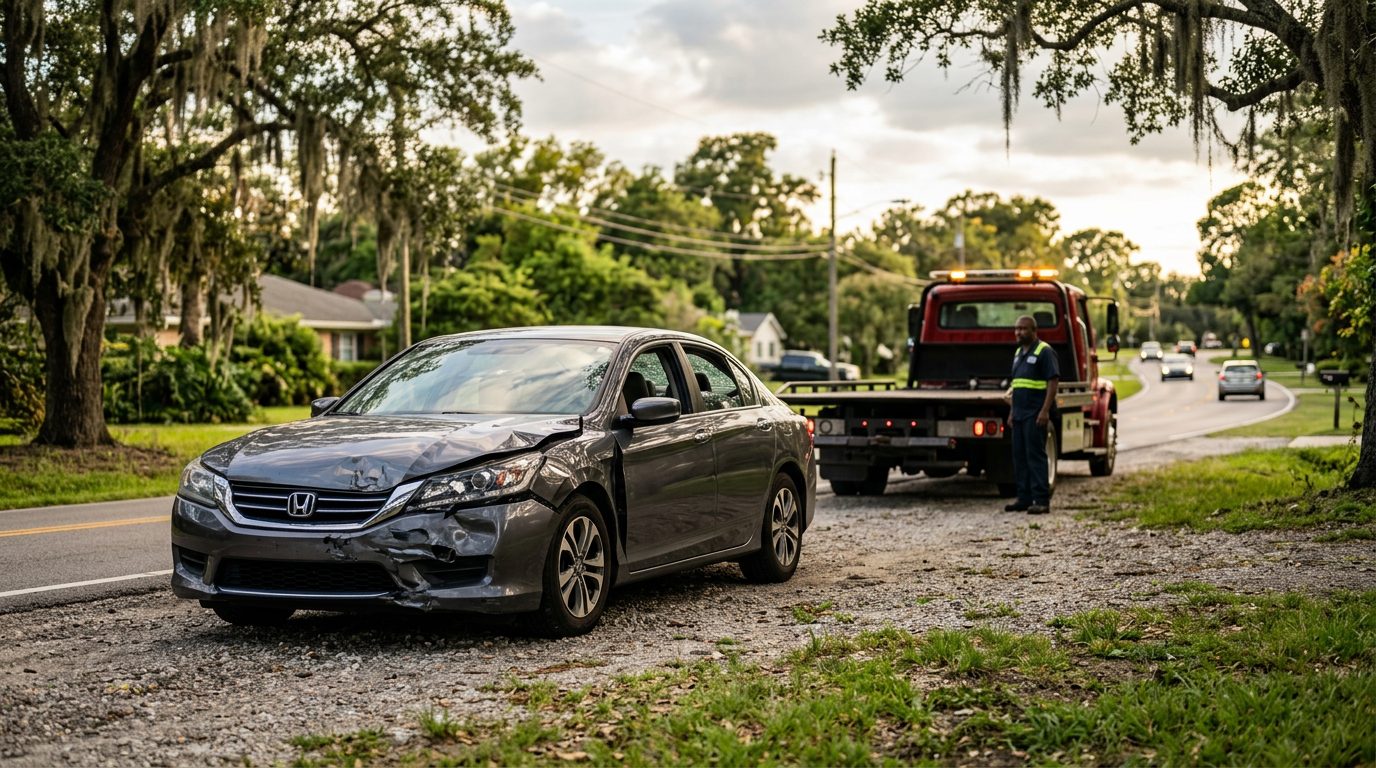
Wrongful Death and Car Accidents in New Orleans
After a Fatal Car Crash in New Orleans, Here Is Where to Start
Losing someone in a crash is painful, and the practical steps can feel overwhelming. This guide explains what families often need to know, from locating the vehicle to preserving records. Przemek Lubecki and our team are available to talk with you.
By Przemek Lubecki · Published October 27, 2026
If a loved one died in a crash, the car may now sit in a tow yard or police lot. You may be the one deciding what happens next. Start with three steps: find out where the vehicle is, get the crash report number, and keep a written record of every call. This guide covers what to do about a loved one’s car after a fatal crash in New Orleans, one step at a time. It is general information, and the facts of each crash shape what matters most.
Before You Decide Anything, Take Care of Your Family
Nothing about the vehicle has to be settled in the first few days after a death. Your family’s needs come first, and the car can wait while you grieve.
Losing someone in a crash is hard, and paperwork can feel urgent even when it isn’t. Many families receive a stack of forms, a tow yard phone number, and an insurance card in the same week they are planning a funeral. You don’t have to answer every question at once. Pick one task at a time. Let someone you trust help with calls when you can. Write down what you decide and why, so you can explain it later.
If your loved one's car is sitting in a tow yard while insurance calls and paperwork pile up, you do not have to sort it out alone. Talk it through with our team — the first consultation is free, confidential, and carries no obligation.
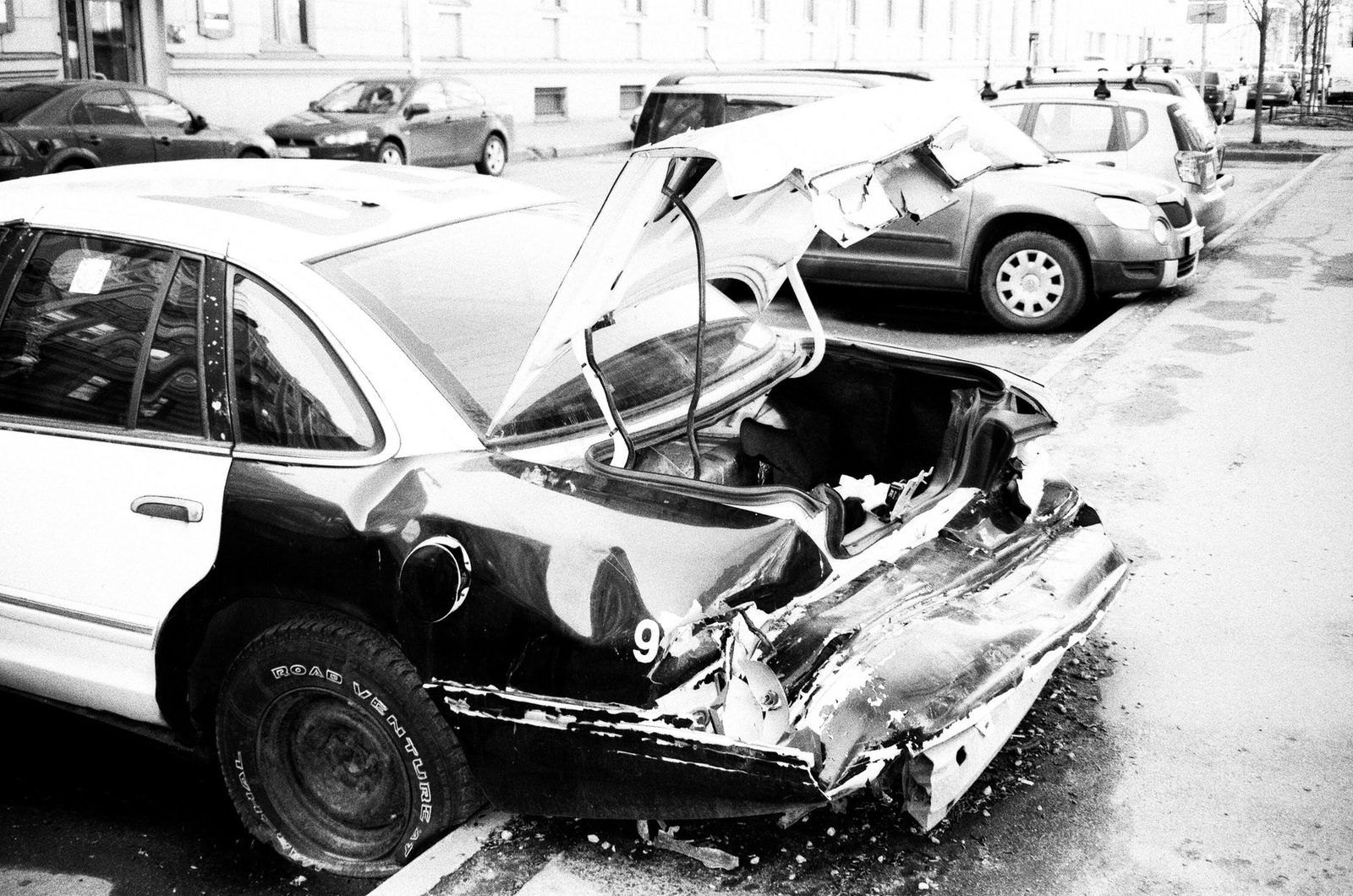
Where the Vehicle Usually Ends Up After a Fatal Crash
After a serious crash, the vehicle is usually moved by a tow company or police to a storage or impound lot. That lot may be far from the crash site and from your home.
Ask the investigating agency for three things: the report or case number, the agency’s name and contact details, and the name and address of the tow yard holding the car. Ask the tow yard whether the vehicle is being held for the investigation.
Keep a simple log. Write down the date, the time, the name of each person you spoke with, and what they said. A log helps if questions come up later with police, the tow yard, or an insurer.
Crash reports are confidential under Louisiana law. Under La. R.S. 32:398, they are available only to listed people, including the parties to the crash, insurers or an insurance support organization under contract to provide claims and underwriting of any party which is the subject of the report, and the succession representatives or attorneys of those parties. Upon request, reports are made available within seven working days after the crash investigation is completed.
Why the Car Matters as Evidence in a Wrongful Death Case
The vehicle itself can be evidence. Changing it too soon can remove information it may hold.
A car can show damage patterns, tire and brake condition, and lighting. Many newer vehicles also store electronic data about speed, braking, and other driving details before a crash. That information is only useful if the car stays in its current condition.
Repairs, salvage sales, crushing, or disposal can make that evidence unavailable. Before anyone signs a release, sells the car, or agrees to a total-loss payment, talk with a lawyer about what the car may show.
A lawyer may send a written request asking the parties and the storage holder to preserve the vehicle. The timing of that request can matter, which is one reason to act early.
Getting Your Loved One’s Personal Belongings Back
The first step is to ask the tow yard or investigating agency how personal items can be retrieved. Families often ask about phones, wallets, keys, medications, a child’s car seat, and work items left in the car.
Ask what the process is and whether someone must be present. Bring a government-issued photo ID and any documents the agency or yard asks for. Confirm hours and any charges before you go, and ask for a written list of what is released to you.
Some items may be evidence. A phone, for example, may need to be handled through the investigating agency before it is removed or returned. Let the agency explain its procedures. Don’t try to unlock or open a device on your own.
Tow Charges and Storage Fees: Ask for the Details
Ask the tow yard for an itemized bill and the date storage charges began. Daily fees can add up quickly while a car waits for release.
Towing, hookup, and daily storage charges can grow over time. Ask the yard to explain each line. Ask whether the vehicle is held as evidence, since that can affect who handles storage and how release is arranged.
Keep every invoice, receipt, and release form. You may need these papers later for an insurance claim or a legal claim. Keep originals in a folder and make copies for your own file.
Do not guess who will pay. The answer depends on the facts of the crash, the insurance involved, and any hold the investigating agency has placed on the vehicle. Bring that question to a lawyer and to the insurers.
Talking to Insurance Companies About the Car
Insurance companies may contact the family soon after a death about the car, a total loss, or a quick payment. You can ask the insurer to put its questions and offers in writing.
Write down who called, what was asked, and what you said. If you’re unsure about an answer, say so and ask for time. Don’t guess about the crash, the timeline, or your loved one’s condition.
Louisiana keeps a record of insurance coverage. Under La. R.S. 32:871, the Department of Public Safety and Corrections keeps a record of insurance coverage declared after an accident. Upon written request and payment of a fifteen dollar fee, it forwards that information to an interested person.
Before you accept any offer, talk with a lawyer about what the offer covers and what it may leave out.
Not sure what your next step is?
Talk it through with our team — the first consultation is free, confidential, and carries no obligation.
When to Speak With a Wrongful Death Lawyer About the Vehicle
Contact us early if you’re unsure who may bring a claim or how much time you have. Under La. Civ. Code art. 2315.2, the surviving spouse and children may bring suit first. Parents may sue only if the deceased left no spouse or child. Siblings may sue only if there is no spouse, child, or parent. Grandparents may sue only if none of those survive.
The same article sets the time limit. The right of action prescribes one year from the death or two years from the day the injury was sustained, whichever is longer, except that a medical malpractice action prescribes one year from the death.
A lawyer can help with preserving the vehicle, requesting the police report, and coordinating with insurers while you focus on your family. Our Orleans Parish wrongful death guide explains how these claims are filed. Our New Orleans page describes our New Orleans office.
The firm may associate or refer a case to other law firms.
Talk With Przemek Lubecki About Your Family’s Next Step
If you’re still gathering information, you can talk with Przemek Lubecki, the responsible lawyer at our New Orleans office, before you decide anything.
Common Questions
Where is the car after a fatal crash in New Orleans?
It is often in a tow yard or police storage lot. Ask the investigating agency which yard holds it.
How do I get the crash report?
Ask the investigating agency. Records from the crash, such as a police report, can help document what happened, and we can discuss which records may be relevant to your case. See New Orleans police report requests.
You may be reading this for a parent, spouse, child, or sibling. You may not be ready to hire anyone, and that is a reasonable place to be. Your loved one’s car may be waiting in a tow yard, you may not know what to ask, and insurance calls may already be coming in. Request a free case evaluation or call 855-LUBECKI (Office in New Orleans). The first consultation is free, confidential, and without obligation.
How our firm can help families
Compassionate, plain-language guidance
We understand that families are grieving. We explain each step clearly and at a pace that works for you.
Help with records and evidence
We can discuss which records from the crash may be relevant to your situation, including the crash report, photographs and vehicle information.
Focused on protecting your family's interests
Przemek Lubecki leads our trial practice and works to hold responsible parties accountable for families harmed by serious crashes.
A free, confidential first consultation
Your initial consultation is free, confidential and without obligation to continue.
Before you speak with an insurance company
Insurance adjusters may contact you soon after a crash. Consider speaking with a lawyer before giving any recorded statement or signing any document. Our firm may associate or refer a case to other law firms, and we will tell you if that is the case.
Practical steps for families
Find out where the car is
After a fatal crash, the vehicle is often held in a tow yard or police storage lot. Ask the investigating agency which yard holds it, and keep a written record of who you spoke with.
Request the crash report
Ask the investigating agency for the crash report. Keep copies of everything you receive, including citations and supplemental reports.
Keep a personal record
Write down dates, names, phone numbers and what you were told. Save medical bills, funeral receipts and letters from insurers.
Talk with a lawyer
Przemek Lubecki and our team can review your situation with you in a free, confidential consultation, with no obligation to continue.