
Wrongful Death | New Orleans, Louisiana
Steps Families Can Take After a Wrongful Death in Louisiana
Grief comes first, but questions about evidence, records and insurers often arrive right away. Here is a clear, practical guide from Przemek Lubecki and our team in New Orleans.
By Przemek Lubecki · Published November 11, 2026
Losing someone in a crash is painful. Then paperwork, deadlines, and questions about who can bring a claim start to pile up. If you’re trying to understand how a Louisiana wrongful death case moves forward, this guide explains the steps in plain language.
In short, a case usually moves through a first consultation, investigation, a lawsuit filed in court, discovery, and then negotiation, mediation, or trial if it doesn’t resolve earlier.
How Do the Steps of a Louisiana Wrongful Death Case Run, From First Consultation Through Investigation, Discovery, and Trial?
A Louisiana wrongful death case usually runs in five stages. They are a first consultation, evidence investigation, filing suit, discovery, and then negotiation, mediation, or trial. Each stage builds on the one before it.
The early steps matter most. Evidence can be lost, and time limits keep running while a family grieves. Louisiana sets a firm deadline to sue. Under La. Civ. Code art. 2315.2, the time limit is one year from the death or two years from the injury, whichever is longer; for medical malpractice actions, it is one year from the death.
Each case turns on its own details, so no particular timeline or result can be promised.
Not sure what your next step is?
Talk it through with our team — the first consultation is free, confidential, and carries no obligation.
Step One: The First Consultation
The first consultation is where the family shares the basic facts. It is free, confidential, and carries no obligation to continue. The family explains what happened, when and where the crash occurred, and who the surviving relatives are. That last detail matters, because Louisiana law limits who may sue.
Helpful papers include the death certificate, the police or crash report, hospital and medical records, and any letters from insurers or employers. Crash reports are confidential under La. R.S. 32:398. They are available only to the parties to the crash; parents or guardians of a minor who is a party; insurers of a party who is the subject of the report, or an insurance support organization under contract to provide their claims and underwriting; any healthcare provider, or its agent, that treated a party who is the subject of the report; the succession representatives of those parties; the attorneys of the parties or succession representatives; and news-gathering organizations requesting documents about a specific crash. Upon request, they must be made available within seven working days after the crash investigation is completed.
Families should bring a written list of questions. Useful questions cover how the process works, who will work on the case, and what the time limits are.
Step Two: Investigation and Evidence Gathering
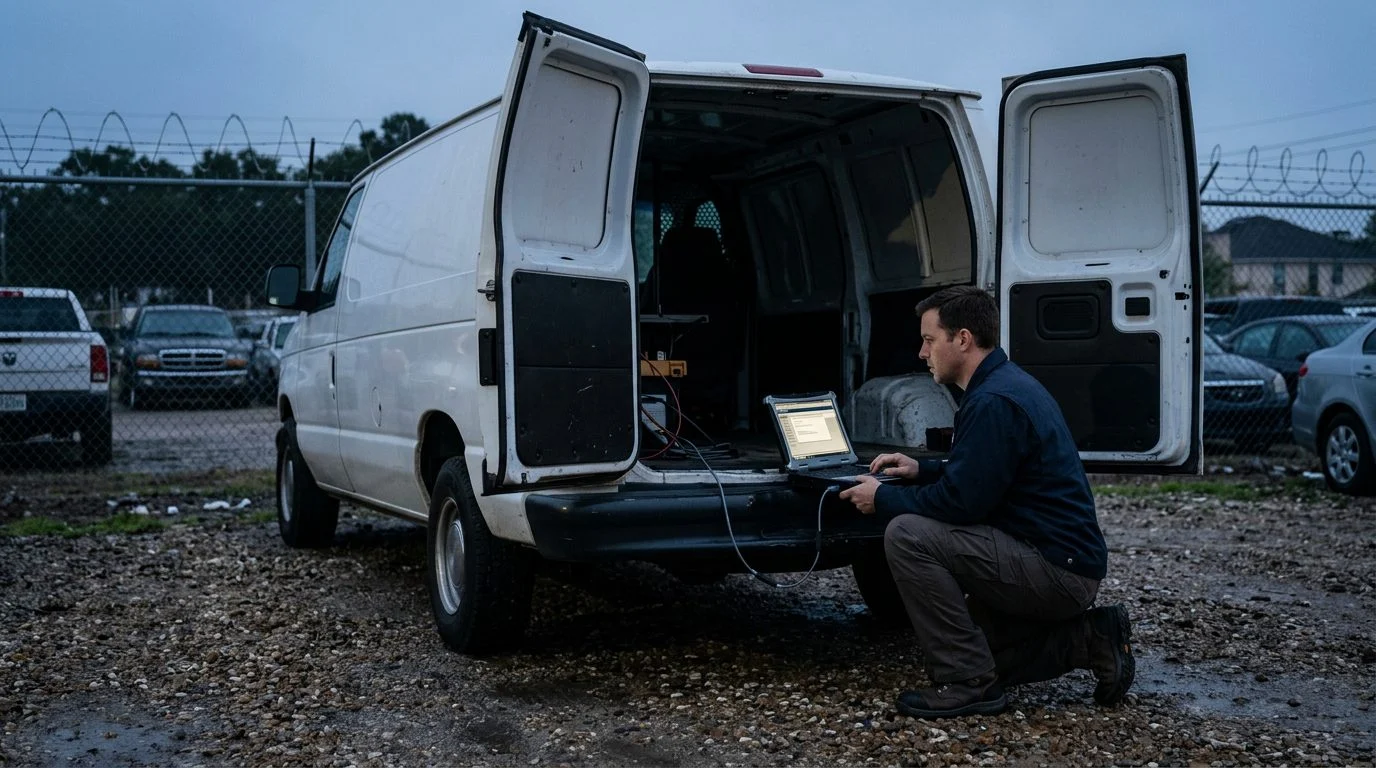
Investigation focuses on saving evidence before it is lost. Vehicle data, photographs, witness names, and video can change or disappear over time. Vehicles get repaired or sold, and phones get replaced. Acting early can help protect your claim.
Requests go to law enforcement, medical providers, and, where applicable, the medical examiner or coroner. These records help build a clear timeline of what happened.
Commercial vehicle cases often need more. Federal rules require motor carriers subject to hours-of-service rules to record each driver’s duty status for each 24-hour period, under 49 C.F.R. § 395.8. Those records must be kept for at least six months from the date of receipt. Records may be kept using any technology that accurately reflects the information and can be reproduced later, under 49 C.F.R. § 379.7. That’s why a quick request matters in truck cases.
A preservation letter is a written request asking other parties to keep relevant evidence. It helps protect records that could otherwise be lost.
Step Three: Filing the Lawsuit and Identifying Who May Bring the Claim
The lawsuit is filed in a court, and Louisiana law sets who may bring it. Under La. Civ. Code art. 2315.2, the surviving spouse and children may sue. If there is no spouse or child, the surviving father and mother may sue, or either of them may. A father or mother who abandoned the deceased during minority is deemed not to have survived him. If there is no spouse, child, or parent, the surviving brothers and sisters, or any of them, may. If there is none of those, the surviving grandparents may.
The time limit under La. Civ. Code art. 2315.2 is one year from the death or two years from the injury, whichever is longer. Filing in a court with the right authority and location interrupts prescription under La. Civ. Code art. 3462.
A survival action is a separate claim. It covers injuries the deceased suffered before death. Under La. Civ. Code art. 2315.1, it generally must be brought within one year from the death or two years from the injury, whichever is longer, though medical malpractice survival actions follow a different statute. It is open to the same family categories, and the deceased’s succession representative may also urge it in the absence of any class of beneficiary set out in those categories.
Louisiana also makes a person responsible for harm caused by negligence, imprudence, or want of skill, under La. Civ. Code art. 2316. Filing and managing the case’s paperwork is part of the work the firm does for a family.
Step Four: Discovery, Depositions, and Expert Review
Discovery is the formal exchange of information between the sides. Each side can send written questions and request documents and records. The goal is to learn the facts both sides will rely on.
Depositions are sworn questions asked of witnesses and parties outside the courtroom. A court reporter records the answers. These sessions can cover the crash, the injuries, and the family’s losses.
Independent reviewers, such as accident reconstruction professionals or medical professionals, may review the evidence when the facts call for it. Their work can help explain how the crash happened or what caused the injuries.
Discovery can take a significant amount of time. How long it takes depends on the facts of the case and the court’s schedule.
Step Five: Negotiation, Mediation, and Trial
Many cases are discussed through negotiation or mediation before trial. In mediation, a neutral third party helps both sides talk through a possible resolution. No settlement amount or outcome can be predicted or promised.
If the case does not resolve, a judge or jury hears the evidence at trial. Trial is one possible step, not the only one.
Louisiana’s comparative fault rule can reduce what a family recovers. Under La. Civ. Code art. 2323, as amended effective January 1, 2026, an injured person whose own negligence is 51% or more is not entitled to recover damages, unless the injury results partly from an intentional tortfeasor’s fault. A person less than 51% at fault has damages reduced in proportion to their share of fault, unless the injury resulted partly from an intentional tortfeasor’s fault, in which case the claim is not reduced.
The family decides whether to accept any settlement offer. American Trial Lawyer may associate or refer a wrongful death case to other law firms.
Not sure what your next step is?
Talk it through with our team — the first consultation is free, confidential, and carries no obligation.
Talk With Przemek Lubecki About Your Family’s Situation
Przemek Lubecki, a trial lawyer, is the responsible lawyer for this page. The firm’s office is in New Orleans.
How long does a family have to file a wrongful death suit in Louisiana?
Generally, the time limit is one year from the death or two years from the injury, whichever is longer, under La. Civ. Code art. 2315.2. Medical malpractice wrongful death claims have a one-year limit from the death.
Who can file a wrongful death claim in Louisiana?
The surviving spouse and children come first. Under La. Civ. Code art. 2315.2, parents, siblings, and grandparents may sue only when the closer relatives are not left, and a father or mother who abandoned the deceased during minority is deemed not to have survived them.
Does every wrongful death case go to trial?
No. Many cases resolve through negotiation or mediation, but no outcome can be promised.
If you’re handling a death in the family, you may also be sorting out forms and deadlines at the same time. Przemek Lubecki and American Trial Lawyer in New Orleans can talk through your family’s situation with you. Call 855-LUBECKI or request a free case evaluation.
How we approach these cases with families
Respect for your loss
We understand that a death in the family is personal. We move at a pace that works for you and explain each step in plain language.
Protecting the evidence
Crash reports, photos, vehicle data, witness details and records can be lost over time. We focus on preserving what matters early.
Keeping the family informed
Surviving family members often need clear answers about who is involved and what comes next. We keep communication direct and understandable.
Careful review of the facts
Every wrongful death matter is different. We review the circumstances, medical and financial records, and the parties involved before discussing options.
Be careful with insurance companies
An insurance adjuster may contact your family soon after a death and ask for recorded statements or quick agreements. Consider speaking with a lawyer before you give any statement or sign any release.
Practical steps to consider
Gather the basic records
Keep the police or crash report, the death certificate, hospital and medical records, and any bills or receipts connected to the death.
Preserve physical and digital evidence
Save photos, texts, emails, social media posts and any vehicle or property involved. Ask that damaged vehicles and equipment not be discarded.
Write down what you remember
Record the date, time, location, weather and what witnesses said while the details are still fresh. Notes made early can be helpful later.
Talk with a lawyer about next steps
Przemek Lubecki can discuss the facts of your situation. Depending on the case, the firm may associate or refer a case to other law firms, and we will tell you if that happens.