
Car Accidents | Orleans Parish
Keep the Evidence That Tells Your Story After a Car Crash in Orleans Parish
Photos, records and paperwork you gather early can make a real difference. Przemek Lubecki and the team at American Trial Lawyer, LLC, in New Orleans, explain what to keep and why it matters.
By Przemek Lubecki · Published November 5, 2026
Keep everything that shows how your crash happened and what it cost you. That means photos, the crash report number, witness details, medical records, repair and rental papers, and every note from an insurance company. This page explains what to keep and why, for anyone asking about evidence to keep after a car crash Orleans Parish drivers may face. It does not predict how any claim will be resolved.
Why Evidence Matters Early in a Louisiana Car Crash Claim
A car crash claim rests on proof. The proof shows how the crash happened, who was involved, and what injuries and losses followed.
Louisiana uses comparative fault, so each driver’s share of responsibility can matter. Under La. Civ. Code art. 2323(A)(2)(a), as amended effective January 1, 2026, if the degree or percentage of negligence attributable to the person suffering injury, death, or loss is equal to or greater than fifty-one percent, that person shall not be entitled to recover damages. Under La. Civ. Code art. 2323(A)(2)(b), if the degree or percentage of negligence attributable to the person suffering injury, death, or loss is less than fifty-one percent, the amount of damages recoverable shall be reduced in proportion to that person’s degree or percentage of negligence. The Louisiana Civil Code article 2323 sets out these rules.
Records that show each driver’s actions help show how fault is divided. That is why a clear record of the scene matters.
Some evidence fades fast. Vehicles get repaired or hauled away. Skid marks wear off. Witnesses move on, and memories blur. Early steps protect proof that is easy to lose.
If you were hurt in a crash, or you are caring for someone who was, we can talk through the evidence you have gathered. Our team offers a free, confidential first consultation with no obligation to continue. Talk it through with our team — the first consultation is free, confidential, and carries no obligation.
Document the Scene and the Vehicles
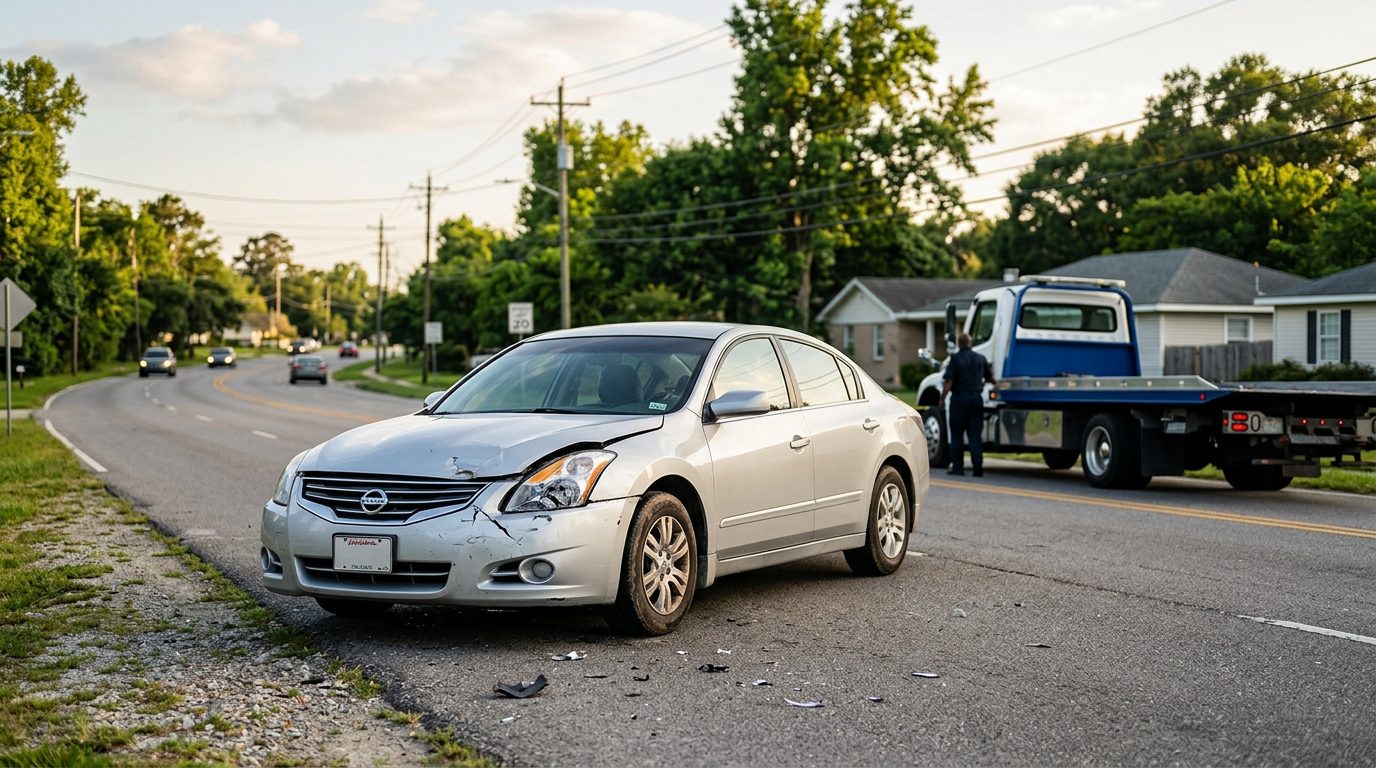
Take photos and video of the scene and every vehicle as soon as it is safe. Shoot from several angles, not just one. Capture where each vehicle came to rest, skid marks, debris, traffic signals and signs, and road and weather conditions.
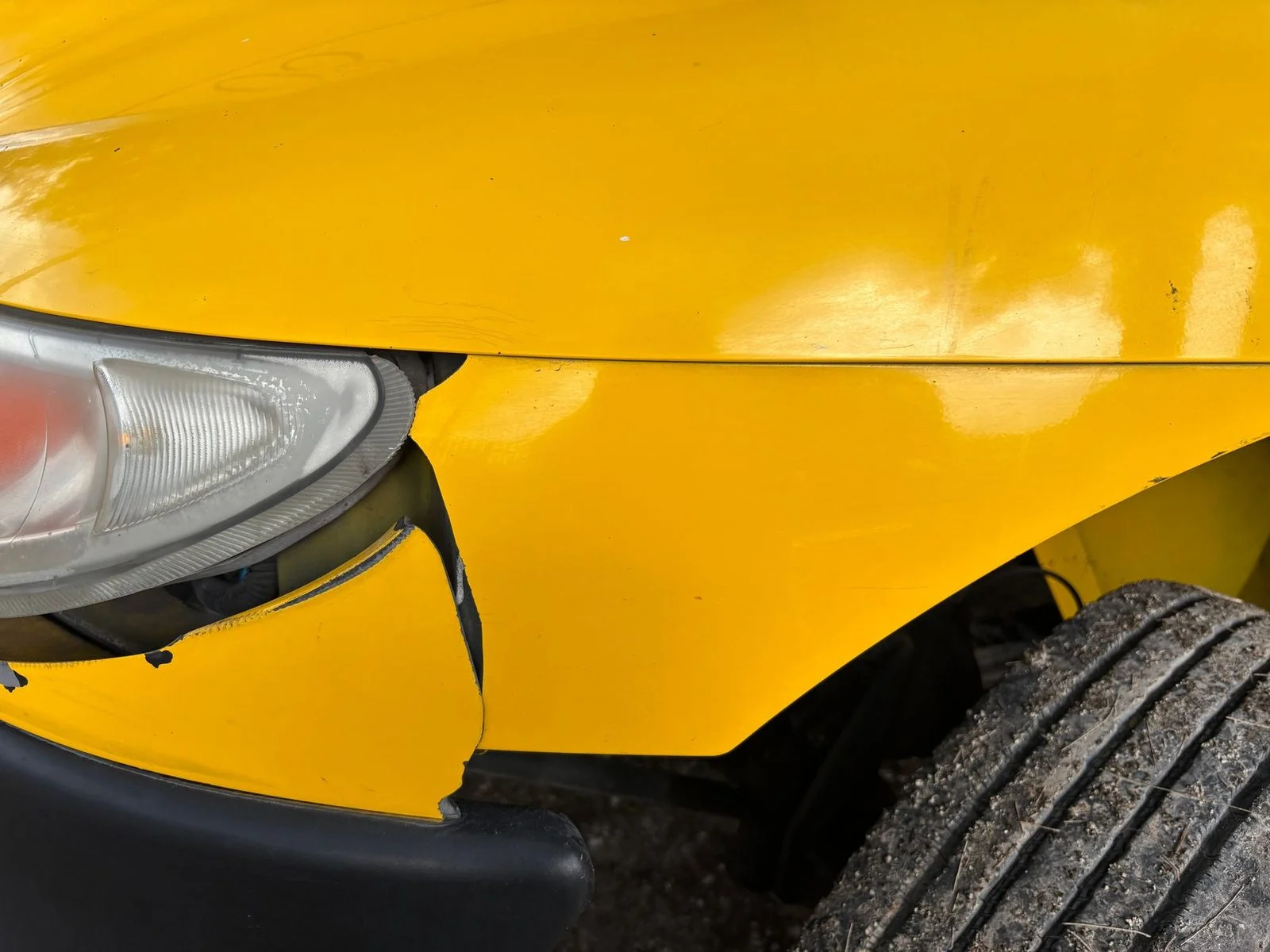
Photograph visible damage to every vehicle involved, not only your own. Close-up shots help. Wide shots show how the pieces fit together.
Physical evidence matters too. The Louisiana State Police forensic guide says broken glass, paint, and other trace materials should be recognized and preserved. They give objective evidence that can be analyzed later.
Your injuries need a record too. Photograph bruises and swelling over the next several days, and write down each date.
Keep your vehicle and any damaged parts. Do not repair, sell, or scrap the car until its damage has been documented. Save any repair estimate you receive. Save phone records that show the time of the crash, and any calls, texts, or app use, if they become relevant to the facts.
Police Reports, Crash Reports, and Official Records
Get the crash report number at the scene. Then request the full report from the agency that responded. Under La. R.S. 32:398, crash reports are confidential. They go only to listed people, including the parties to the crash, parents or guardians of a minor party, insurers of a party, healthcare providers who treated a party, the parties’ succession representatives and attorneys, and a news-gathering organization that requests documents related to a specific crash. On request, they are available within seven working days after the investigation is complete.
The same statute lets any interested person request copies of crash photographs, video, and audio. The agency may charge a reasonable fee for copies.
At the scene, write down the officer’s name, the agency, and the report number. Keep copies of every citation or notice you receive. A citation, arrest, or statement recorded in a report can become part of the evidence.
Read the report when you get it. If it conflicts with what happened, write down the differences with dates. Bring that list to your lawyer so it can be reviewed with the full picture.
Witnesses, Other Drivers, and Insurance Information
Get the other driver’s name, address, phone number, insurer, policy number, and vehicle registration number. Under R.S. 32:398, a driver in a crash causing injury, death, or property damage over five hundred dollars must give name, address, and registration number to any person injured in the crash or to the driver or occupant of or person attending any vehicle or other property damaged in the crash. On request, and if available, the driver must also show a license or permit to drive to any person injured in the crash or to the driver or occupant of or person attending any vehicle or other property damaged in the crash.
Write down the make, model, color, and plate of each other vehicle. Do this even if the other driver seems cooperative.
Ask passengers and bystanders for their names and phone numbers as soon as it is safe. People leave, and memories fade over time.
Write a short, dated note of what each witness said while it is fresh. That note preserves details that could otherwise be lost. Ask the witness to confirm it if they are willing.
If a truck, van, or company vehicle was involved, note the company name, any DOT number on the vehicle, and the driver’s identification. These details help identify the parties involved.
Medical Records, Bills, and Treatment Proof
Get medical care, and keep every record from it. Visit summaries, test results, imaging reports, prescriptions, and referrals all matter. Do not skip a follow-up because you feel better or worse.
Keep every bill and every explanation of benefits from your health insurer. Under La. R.S. 9:2800.27, when a health insurer or Medicare paid a contracted provider, recovery of medical expenses is limited to the amount actually paid, plus applicable cost sharing. It is not the amount billed. In a trial over those expenses, both the billed and paid amounts are shown. That makes payment records as important as the bills.
Keep a simple daily journal. Write the date, your pain level, how you slept, work you missed, and activities you could no longer do. Use your own words.
Keep receipts for out-of-pocket costs, including prescriptions and mileage to appointments.
Share your medical records with your lawyer. A lawyer can help request records and organize them.
Rental Cars, Repairs, Insurance Calls, and Written Statements
If you used a rental car after the crash, keep the rental agreement, the company’s damage report, and every invoice. Under La. R.S. 22:1296, coverage in effect under the original policy extends to rental motor vehicles. Keep the paperwork that shows which coverage applies.
For repairs, keep estimates, the final invoice, photos from before and after, and any total-loss valuation or appraisal the insurer issues.
Save every letter, email, text, and recorded call from an insurance company. After each phone call, write the date, time, the person’s name, and what was said.
You can ask for a copy of any written or recorded statement you gave. Under La. R.S. 13:3732, a person who takes a statement from an injured person must furnish a true and complete copy. A copy is due within twenty days after a written demand.
It is reasonable to talk with a lawyer before you give a recorded or written statement.
Stop posting about the crash, your activities, and your injuries on social media. Do not delete posts that already exist. Losing a damaged part or a photo can make it harder to show what happened.
Not sure what your next step is?
Talk it through with our team — the first consultation is free, confidential, and carries no obligation.
Next Steps With American Trial Lawyer in New Orleans
If you are holding photos, a report number, insurer calls, and a rental or repair decision, you do not have to sort them out alone. Przemek Lubecki is the responsible lawyer for this page. The firm’s office is in New Orleans, Louisiana.
The firm may associate or refer a car accident case to other law firms. This page says so for that case type.
Frequently Asked Questions
What evidence should I keep after a car crash Orleans Parish?
Keep photos, the crash report number, witness details, medical records, and repair and rental papers. Keep every insurance letter and message too.
How do I get a Louisiana crash report?
Ask the agency that responded. Under Louisiana law, the report is available to listed people within seven working days after the investigation is complete.
Does the fault rule depend on the crash date?
Yes. Louisiana’s modified comparative fault rule is in La. Civ. Code art. 2323, and its most recent amendment (Acts 2025, No. 15) takes effect January 1, 2026.
Should I give a recorded statement to an insurer?
It is reasonable to talk with a lawyer before giving one.
If you were hurt in a crash, or you are caring for someone who was, you do not have to work through the photos, reports, and insurer calls alone. Call 855-LUBECKI or request a free case evaluation. The first consultation is free, confidential, and without obligation to continue.
What to keep after a crash
Crash report number
Write down the report number from the responding agency. You can use it to request a copy of the report.
Photos and video
Photograph vehicle damage, the scene, traffic signals, skid marks, road conditions and your injuries. Save the original files with their dates.
Witness details
Names and phone numbers of passengers, drivers and bystanders can be valuable while memories are still fresh.
Medical records and bills
Keep every visit summary, prescription receipt, imaging report and referral, even for care that seemed minor at the time.
Work and income records
Pay stubs, missed-shift notes and letters from your employer help show what the crash has cost you.
Insurance and messages
Keep every letter, email, text and recorded call with insurers, and note the date and the name of each person you spoke with.
Be careful what you sign and post
Talk with a lawyer before you give a recorded statement or sign any release from an insurance company. Avoid posting about the crash, your injuries or your activities on social media, because those posts can be taken out of context.
Where evidence often lives
At the scene
Photos, the other driver's information, and anything the police officer tells you go in your notes right away.
In your phone
Texts, call logs, ride or navigation apps and photos with time stamps can help rebuild what happened.
With your doctors
Ask providers for copies of your records and bills so your file stays complete and organized.
In your daily life
A simple journal of pain, sleep, daily tasks and missed activities can show the everyday impact of an injury.
Not sure what to keep?
Talk with us. Our New Orleans office offers a free, confidential consultation with no obligation to continue. Call 855-LUBECKI.