

Car Accidents | New Orleans, Louisiana
Asked for a Recorded Statement After Your Crash? Understand Your Options First
Insurance representatives often ask injured drivers and passengers for a recorded statement soon after a collision. Learn what to consider before you speak. Przemek Lubecki, responsible lawyer, offers a free, confidential first consultation from our New Orleans office.
Why Talk With Our Team Before You Give a Statement
Plain-language answers
We explain what a recorded statement is, who may be listening, and how your words could be used in your claim.
Protect your position
Our team focuses on helping you think through questions about fault, injuries and past medical history before you answer on a recording.
Attention to your recovery
Serious injuries can affect memory and judgment. We take time to understand how you are doing before any statement is discussed.
Free and confidential
Your first consultation is free, confidential and without obligation to continue.
By Przemek Lubecki · Published November 4, 2026
Short Answer: Generally, You Are Not Required to Give a Recorded Statement
The adjuster works for the other driver’s insurer, which insures its own driver, not you. The call can sound routine, but it is still a request from the other side of your claim. What you say, or decline to say, can shape how the claim is evaluated later. Whether a request calls for a particular answer depends on the facts of your crash and your injuries. Louisiana’s fault rules, explained below, make the details you give about the crash especially important.
If an adjuster has asked you for a recorded statement after your crash, our team can talk with you before you answer; the first consultation is free, confidential, and without obligation to continue. Talk it through with our team — the first consultation is free, confidential, and carries no obligation.
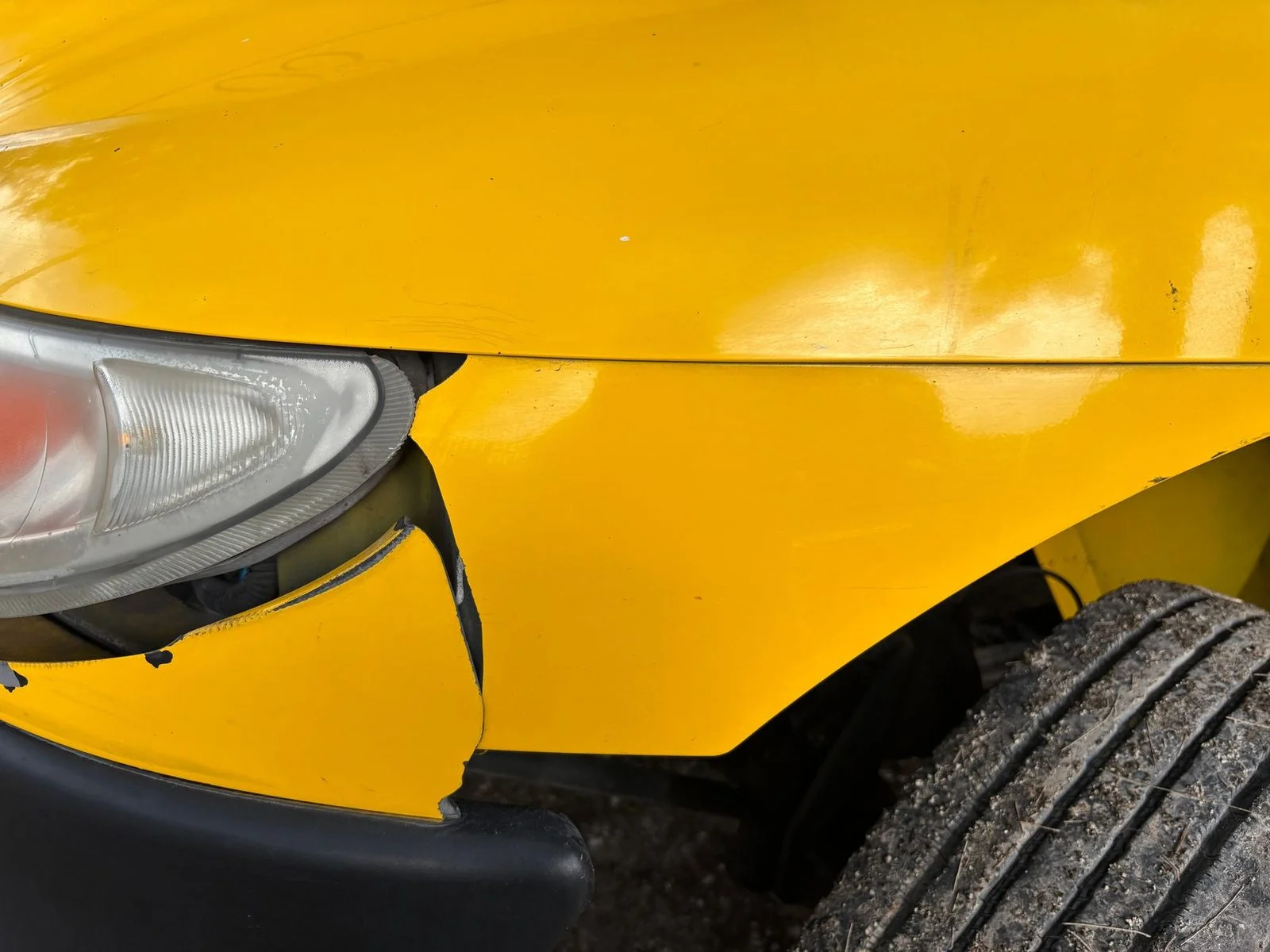
What Is a Recorded Statement After a Car Accident?
A recorded statement is a question-and-answer conversation that an adjuster records by phone or in person. A written transcript is often made later. Adjusters usually ask how the crash happened, where each vehicle was, how fast each car was moving, whether a lane changed, and whether anyone was using a phone. They may also ask how you feel. These calls often come within days of a crash, sometimes before headaches, neck pain, or dizziness have fully shown up. Early answers can be compared later with medical records, so the timing matters.
If you do give a statement, Louisiana law gives you a right to a copy. La. R.S. 13:3732 says the person who takes the statement must give the injured person a true and complete copy. That person must also provide a copy within twenty days after a written demand. The same section says a statement cannot be used in a related civil action if the holder refused, on request, to give you a copy.
Do I Have to Provide a Recorded Statement to the Other Driver’s Insurer?
A call does not need an answer on the spot. A polite reply, such as asking for the request in writing or asking to call back, is a common response. Taking time lets you gather the facts and your own records first.
Your own insurer is a different company with a different role. Your policy’s terms may differ from what the other driver’s insurer asks of you. Review your own policy before you respond to your own company.
Louisiana uses fault-based rules for car accident claims, so who was at fault is central. Under La. Civ. Code art. 2323, as amended effective January 1, 2026, a person suffering injury, death, or loss whose own negligence is equal to or greater than fifty-one percent of the fault is not entitled to recover damages. Under La. Civ. Code art. 2323, when a person suffering injury, death, or loss is partly at fault but less than fifty-one percent, the amount of damages recoverable is reduced in proportion to the degree or percentage of that person’s negligence. La. Civ. Code art. 2323 sets out that rule. Under the current rule, when a person is hurt partly as a result of his or her own negligence and partly as a result of the fault of another person, a person whose percentage of negligence is equal to or greater than fifty-one percent is not entitled to recover damages, and for a person whose percentage of negligence is less than fifty-one percent, the amount of damages recoverable is reduced in proportion to that percentage of negligence; however, when the other person is an intentional tortfeasor, the injured person’s claim for recovery of damages is not reduced.
Common Questions Adjusters Ask and Why Precise Answers Matter
Precise, limited answers are usually the safer approach. A casual remark or a guess can later be set against the records. Guesses about speed, distance, or timing cause a lot of trouble. Saying “I’m fine” on a call can also be quoted later, even when pain develops days after the crash.
Prior injuries and existing conditions often come up. Answer what is asked, accurately, and no more. If you are unsure of a date or detail, say so instead of guessing.
Other records can check what you say. Under La. R.S. 32:398, crash reports are confidential. They are made available only to the parties to the crash, parents or guardians of a minor who is a party to the crash, insurers or an insurance support organization under contract to provide claims and underwriting, healthcare providers who treated a party, the succession representatives or attorneys of the parties, and a news-gathering organization that requests documents related to a specific crash. Upon request, they are made available within seven working days after the crash investigation is completed. Under La. R.S. 32:398(E), the state police, any local police department, or any sheriff’s office shall provide copies of crash photographs, video recordings, and audio recordings to any interested person upon request, and may charge a reasonable fee for such copies. Compare what you say with the crash report, the photos, and any witness details you have.
Medical Records Requests, Authorization Forms, and Written Offers
Read any medical records authorization and any written offer before you sign or respond. A broad authorization can reach health history unrelated to the crash, so its scope matters. Ask what it covers and whether it has date limits.
Written settlement offers often come with deadlines and release language. A release can limit what you may ask for later, so read its terms closely. A quick offer made before the full extent of your injuries is known may not reflect later medical needs. Symptoms such as headaches, memory trouble, or dizziness can appear days after a crash, and that timing can change the care you need.
Health coverage can also matter. That is one reason settlement timing and records deserve attention.
Steps to Consider Before Speaking With an Adjuster
Before you answer more questions, write down what you know and gather your records. Note the date and time of each call, the adjuster’s name, and the insurer’s name. Keep letters, emails, and voicemails in one place.
Deadlines matter too. Louisiana law generally sets a two-year period for delictual (tort) claims. That period starts when injury or damage is sustained, under La. Civ. Code art. 3493.1. Wrongful death claims have their own timing under La. Civ. Code art. 2315.2. That article sets one year from the death or two years from the injury, whichever is longer.
If you already gave a statement, you can ask in writing for a copy under the statute discussed above. Keep records of medical visits, prescriptions, and missed work. A lawyer can often handle communication with the insurer for you. That is one practical reason some people choose to wait before answering more questions.
Not sure what your next step is?
Talk it through with our team — the first consultation is free, confidential, and carries no obligation.
Talk With Our Team Before You Speak With an Adjuster
If an adjuster has asked you for a recorded statement, you can talk with our team before you answer. Przemek Lubecki is the responsible lawyer for this page. The firm’s office is in New Orleans. The firm handles car accident claims, including truck and commercial vehicle crashes. It also handles motorcycle, rideshare, wrongful death, and brain injury matters. The firm may associate or refer a case to other law firms.
Quick answers
Can I get a copy of my recorded statement in Louisiana?
Yes. La. R.S. 13:3732 requires the person who took the statement from an injured person to provide a true and complete copy to that person, and requires anyone holding the statement to furnish a copy to the person who made it, or his personal representative, within twenty days after written demand.
Does Louisiana fault law affect my claim?
Yes. Under La. Civ. Code art. 2323, if the degree or percentage of negligence attributable to the person suffering injury, death, or loss is equal to or greater than fifty-one percent, that person is not entitled to recover damages, and if it is less than fifty-one percent, the damages recoverable are reduced in proportion to that negligence.
If an adjuster has called asking for a recorded statement after your crash, you don’t have to face that call alone. Request a free case evaluation or call 855-LUBECKI to talk before you answer.
Pause Before You Speak on a Recording
A recorded statement can be used to evaluate your claim. Before you agree to one, ask who is recording, what the statement will be used for, and whether you can have a copy. If you are hurt, it is reasonable to ask for time to speak with a lawyer.
Questions to Consider Before a Recorded Statement
Who is asking, and why
Note the name of the caller, the company they represent and the claim number. Ask what the call is for.
What you have been told
Think about your injuries, treatment and symptoms. Describe only what you know, and say when you are unsure.
How the crash happened
Estimates of speed, distance and fault can change over time. Avoid guessing on a recording.
Written follow-up
Ask for written questions in advance so you can review them and respond carefully.