
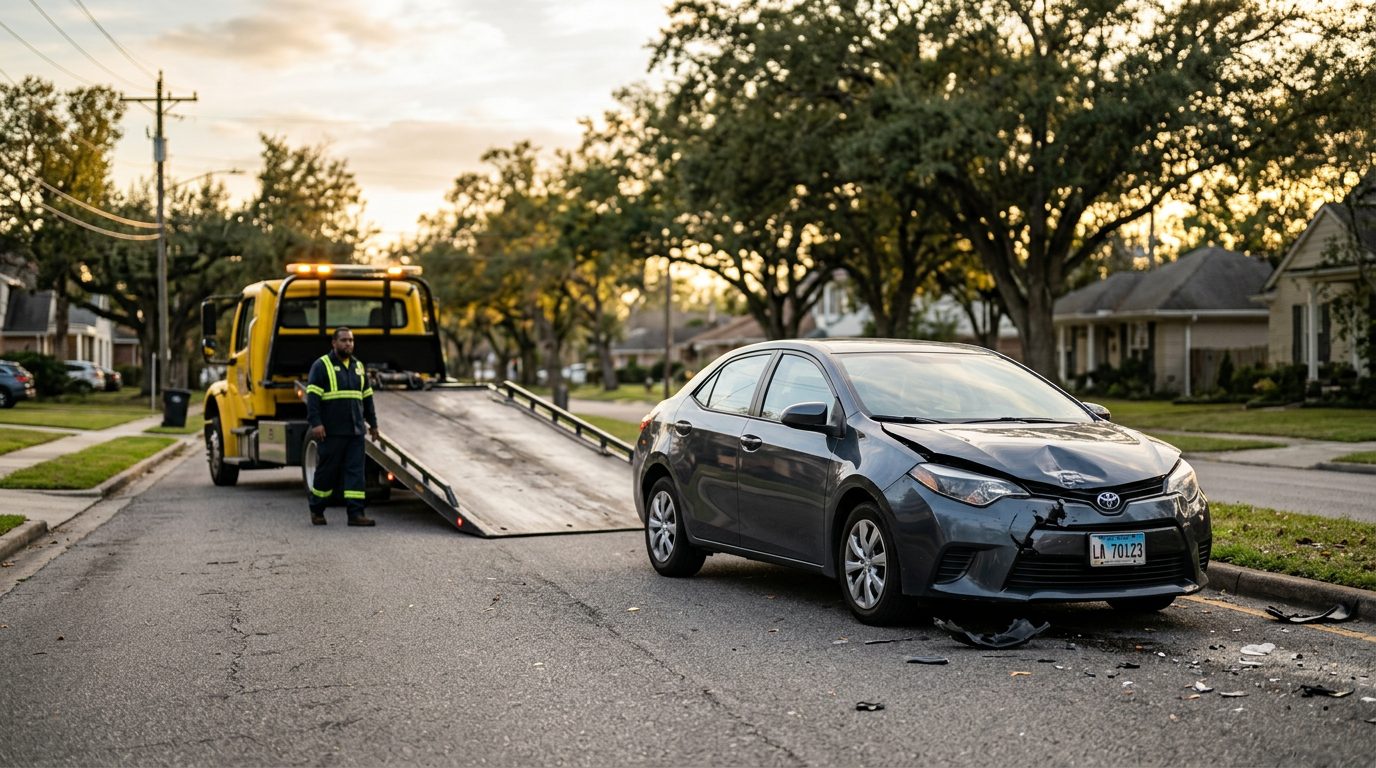
Car Accident Claims | New Orleans
How Long a New Orleans Car Accident Claim Can Take
Every claim moves at its own pace. Here is what affects the timeline, from medical treatment to insurance talks, and how Przemek Lubecki and our team at the New Orleans office approach each case.
By Przemek Lubecki · Published October 25, 2026
How Long a Car Accident Claim Takes in New Orleans: The Short Answer
A car accident claim in New Orleans often takes several months, and some claims take longer. There is no single timeline that fits every crash. How long a car accident claim takes in New Orleans depends on the facts, including the injuries, who is at fault, and whether the claim settles before a lawsuit is filed.
A claim has several stages. Each stage runs on its own schedule. The insurance claim, medical treatment, negotiation, and a possible lawsuit can overlap, or one can wait on another.
Simpler claims often move faster than claims with serious injuries, disputed fault, or a lawsuit. Serious injuries can need months of treatment before anyone can judge the full harm. Nobody can give you a fixed number of months for your case. The useful question is which stage your claim is in right now.
If you're still in treatment, fielding calls from an adjuster, or unsure how the Louisiana filing deadline applies to you, you don't have to work through it alone. Talk it through with our team — the first consultation is free, confidential, and carries no obligation.
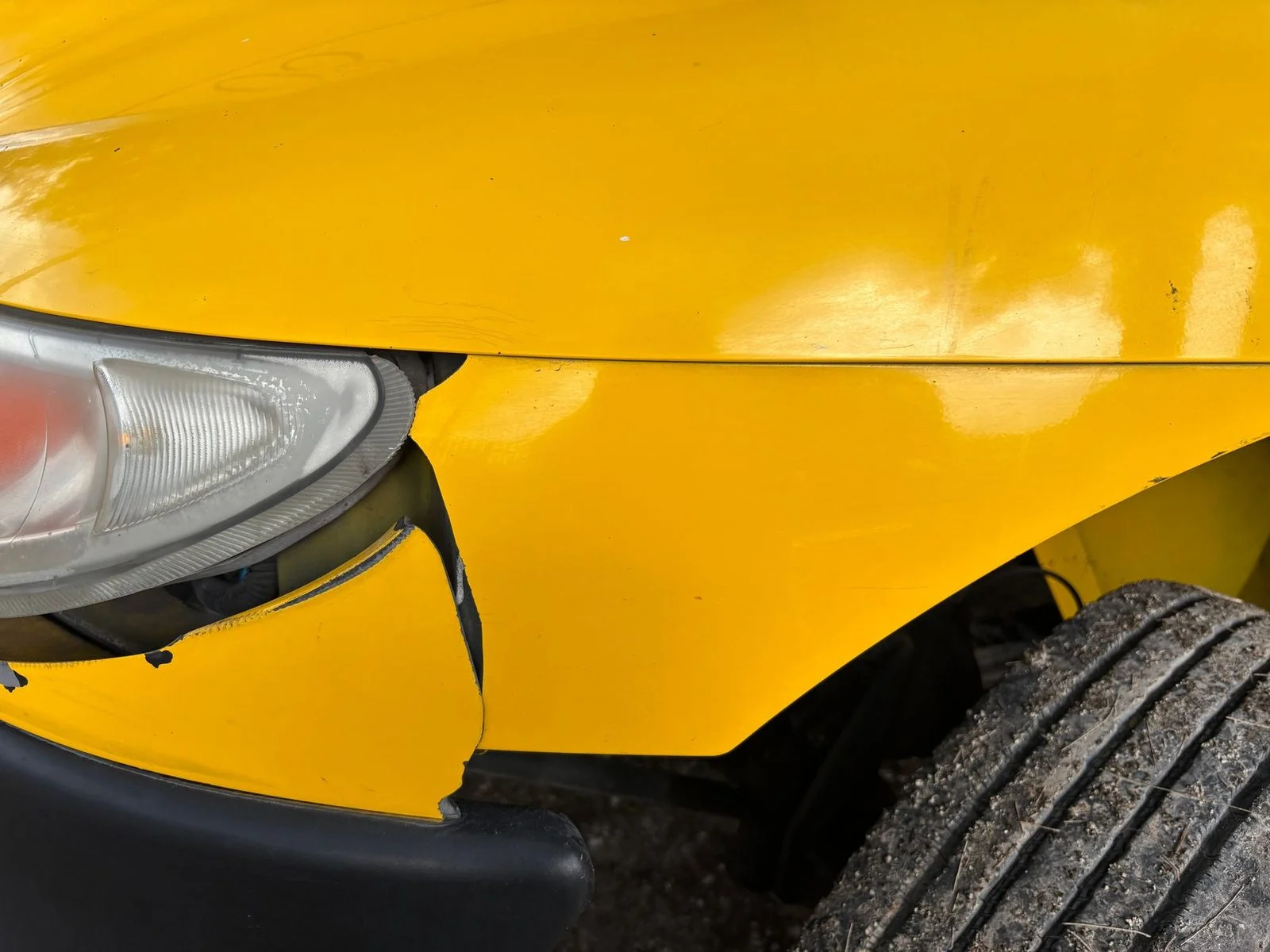
The Stages of a Car Accident Claim
Most claims start with a report to insurers. The claim is opened with the at-fault driver’s insurance company and, where it applies, your own insurer. An adjuster is then assigned to review the claim.
Next comes medical treatment and documentation. Doctors, clinics, and hospitals send records and bills at their own pace. Many people are still in treatment when the first calls from an adjuster arrive.
Then comes the demand and negotiation. A written demand explains the injuries, the bills, and the facts of the crash. The insurer reviews it and responds. This step can go back and forth several times.
If the claim does not resolve, a lawsuit may be filed in a Louisiana court. The case then moves through discovery, which means exchanging documents and answering written questions. It can also include depositions, motions, and possibly trial.
This sequence is a general guide. Not every claim moves in this order, and some stages overlap.
How Medical Treatment and Records Affect the Timeline
Medical care often sets the pace of a car accident claim. Insurers and lawyers usually want to know the full extent of an injury before they judge the claim. For many injuries, that takes time. For a traumatic brain injury, it can take longer.
Records are slow to gather. Hospitals, clinics, and billing offices each work on their own schedule. A missing record or an unpaid bill can stall talks because the file is not complete.
Medical bills add their own step. Under La. R.S. 9:2800.27, when a health insurer or Medicare has paid a contracted provider, the recovery for those medical expenses is limited to the amount actually paid, plus any cost-sharing amounts. It is not limited to the amount billed. Sorting out those figures takes time.
Medicare adds another layer in some cases.
Keeping good records from the start helps. For a checklist, read car accident evidence to keep in New Orleans.
How Long Do I Have to File a Car Accident Lawsuit in Louisiana?
Under Louisiana law, a lawsuit for injuries from a car crash generally must be filed within two years from the day of the injury. La. Civ. Code art. 3493.1 sets a two-year liberative prescription (filing deadline) for delictual (tort) actions. The period starts on the day the injury is sustained.
How long do you have to file a lawsuit in Louisiana?
Generally, you have two years from the date of injury (La. Civ. Code art. 3493.1). The statute has narrow exceptions: it does not run against minors or interdicts in actions involving permanent disability and brought under the Louisiana Products Liability Act or state product liability law in effect at the time of the injury or damage.
The deadline is separate from the insurance claim. The clock starts on the injury date. Under La. Civ. Code art. 3462, filing suit in a court of competent jurisdiction and venue interrupts prescription; if suit is filed in an incompetent court or improper venue, prescription is interrupted only as to a defendant served by process within the prescriptive period.
Timing matters even after a suit is filed. Under La. Civ. Code art. 3463, an interruption continues while the suit is pending. But if the plaintiff abandons the suit, voluntarily dismisses it at any time, or fails to prosecute the suit at the trial, interruption is considered never to have occurred; the dismissal of a suit pursuant to a compromise does not constitute a voluntary dismissal.
Claims against the state, a state agency, or a political subdivision such as a parish or city follow separate rules. Under La. R.S. 13:5106, those suits cannot be filed in any court other than a Louisiana state court. Total liability limits also apply. For a crash involving public property, see can I sue the city after a New Orleans pothole crash.
How Fault Rules and Disputes Can Add Time
Louisiana’s comparative fault rule (shared fault) can reduce what an injured person recovers (La. Civ. Code art. 2323). When fault is disputed, the question often takes the longest to resolve.
Under La. Civ. Code art. 2323, if the injured person’s fault is fifty-one percent or more, that person cannot recover damages. If the injured person’s fault is less than that, damages are reduced in proportion to that share. This version of the article is effective January 1, 2026.
Fault can also be shared among several parties, such as more than one driver or a company that owns a vehicle. Each party’s role has to be sorted out. Records, witness statements, and crash reports all take time to collect.
Who is usually at fault if a car hits the back of you?
There is no single answer. Rear-end crashes are often reviewed by looking at following distance, braking, signals, and what witnesses or camera footage show. Louisiana law says a driver shall not follow another vehicle more closely than is reasonable and prudent, under La. R.S. 32:81.
Commercial trucks add rules. Under the same statute, a motor truck outside a business or residential area may not follow another motor truck within four hundred feet, though one truck may overtake and pass another. Crashes involving commercial vehicles can add parties and records, which can add time.
What Adds Time When a Lawsuit Is Filed
A lawsuit usually takes longer than a claim settled through negotiation. Most of the added time comes from the discovery phase, which often runs for months.
During discovery, each side exchanges documents, answers written questions, and gives depositions. Court calendars and motions also set the pace. Medical witnesses have their own schedules, and their availability can push dates back.
Many claims resolve before trial. A case headed toward trial generally takes longer than one resolved through negotiation. Each stage adds time, and each one depends on the facts of the case and the court’s schedule.
Not sure what your next step is?
Talk it through with our team — the first consultation is free, confidential, and carries no obligation.
Property Damage and Totaled Vehicle Claims Run on Their Own Track
Vehicle damage claims can move on a different schedule from the injury claim. The two do not have to finish at the same time.
A repair estimate or total-loss valuation involves an appraisal. A totaled vehicle also brings paperwork on the title and any loan. Rental arrangements and payment steps can add more time.
Under La. R.S. 32:398, a driver in a crash that causes injury, death, or property damage over five hundred dollars must give his name, address, and vehicle registration number to anyone injured, or to the driver, occupant, or person attending any damaged vehicle or property. Under subsection J of La. R.S. 32:398, when a law enforcement officer investigating a crash has reason to believe a medical condition exists that could be cause for revoking or suspending a license, notice of that condition goes to the medical/conviction unit of the Department of Public Safety and Corrections, office of motor vehicles, but only after the officer first consults with a superior officer and that superior officer concurs with the issuing officer’s belief. Keeping those details handy helps the early steps.
For what happens after a total loss, see car totaled in an accident in New Orleans: what happens next.
Keeping Your Claim Moving: What Helps the Timeline
Organized records and prompt replies tend to keep a claim moving. No step promises a faster result, but these habits make the file easier to review.
Keep every medical record, bill, and receipt. Keep a simple log of symptoms, appointments, and missed work. Respond promptly to requests for information, and keep copies of every letter from an insurer.
The police crash report can help the early stages. Under La. R.S. 32:398, crash reports are confidential. Upon request, they are made available to the people the law allows, such as the parties to the crash, their attorneys, and insurers, within seven working days after the crash investigation is complete.
Be careful with recorded statements. Under La. R.S. 13:3732, a person who takes a recorded statement from an injured person must furnish a true and complete copy. A copy must be provided within twenty days after written demand. Ask for a copy in writing.
Before you give a recorded statement to an adjuster, you can reach out to this firm to talk through what to expect.
Office, Responsible Lawyer, and Referral Information
Przemek Lubecki is the responsible lawyer for the content of this page. The firm’s office is in New Orleans, Louisiana. The firm also has an office in Park Ridge, Illinois.
Przemek Lubecki is licensed to practice law in Louisiana. This firm may associate or refer a car accident case to other law firms. If a case is likely to be referred to another lawyer or firm, the firm will say so.
Lawyers at other firms are not part of American Trial Lawyer, LLC. Any co-counsel works with the firm on a specific matter and is not part of the firm.
Talk With Przemek Lubecki About Your Timeline
If you were hurt in a New Orleans car crash, you can ask how this timeline applies to your situation. You may still be in treatment, getting calls from an adjuster, or wondering whether the Louisiana filing deadline is getting close.
Request a free case evaluation through our contact form, or call 855-LUBECKI (Office in New Orleans). The first consultation is free, confidential, and without obligation to continue.
Frequently Asked Questions
How long does a car accident claim take in New Orleans?
Timing varies widely based on the injuries, how the insurance companies respond, and whether a lawsuit is needed. Some claims with minor injuries resolve in a few months, while claims involving serious injuries can take a year or longer.
Why do some car accident claims take longer when injuries are serious?
Serious injuries often need extended medical treatment before doctors can judge the full extent of the harm and future care needs. Medical records, bills, and crash documentation also take time to gather and review before a claim can be fully valued.
How long does an insurance company take to respond to a car accident claim?
Response times depend on the complexity of the crash, the injuries, and whether fault is disputed.
When does a car accident claim become a lawsuit, and how long does that take?
Many claims are resolved without a lawsuit, but a lawsuit may be needed if the insurer will not offer a fair resolution. Louisiana has strict filing deadlines called prescription, so acting early matters. Once a suit is filed, court schedules mean the case can take a year or more to reach resolution.
What Shapes the Timeline
Your Injuries and Treatment
Claims often wait until medical care is far enough along to show the full picture of an injury and its long-term effects.
How the Insurance Companies Respond
Some insurers move quickly, while others take their time, request more records, or dispute fault and damages.
Whether a Lawsuit Is Needed
If a fair resolution cannot be reached through negotiation, filing a lawsuit and moving through court adds time to the process.
Gathering Evidence
Police reports, crash data, photographs, witness statements and repair or billing records all take time to collect and review.
Timing Is Different in Every Case
No one can predict an exact timeline for your claim. Because the firm may associate or refer a case to other law firms, the lawyer handling your matter may change or be shared as the case develops. Talk with us about how your case would be handled.