
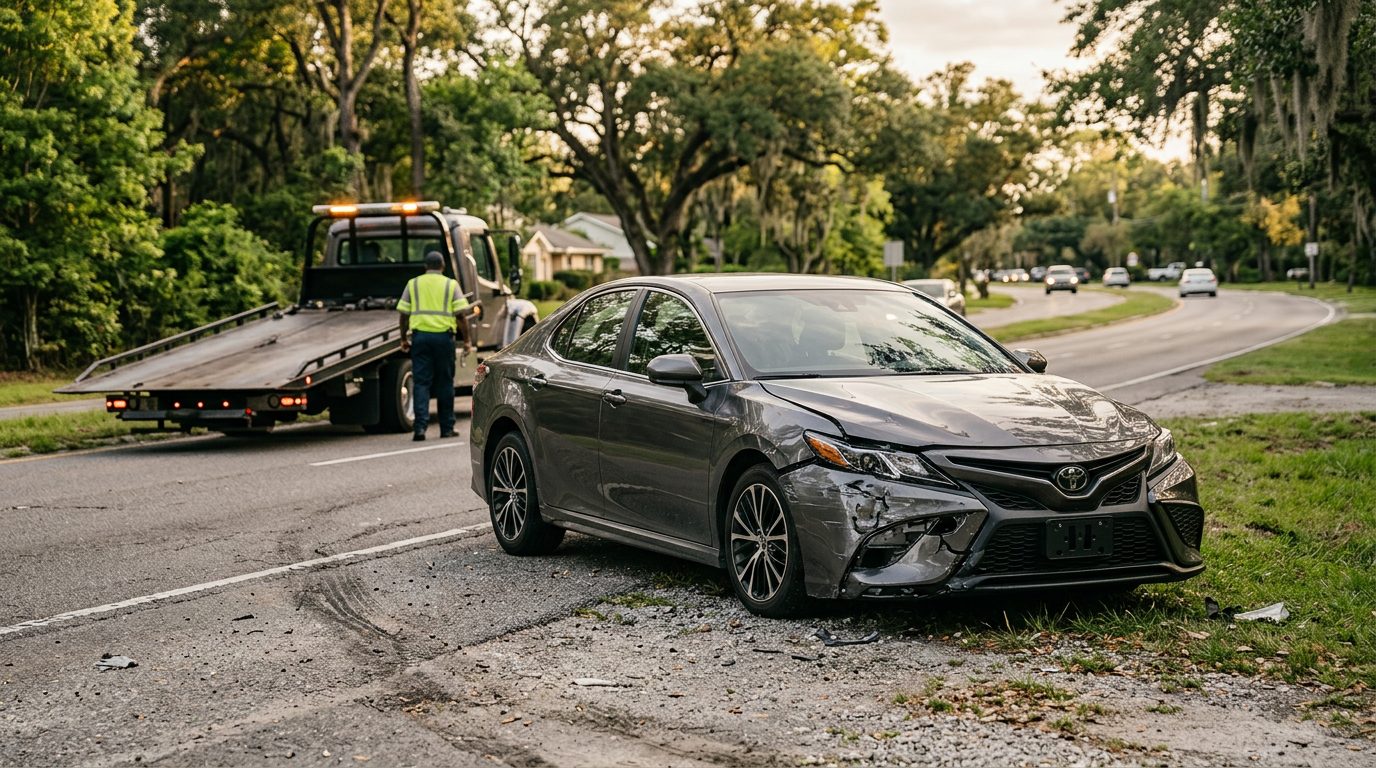
New Orleans car accident claims
Hurt in a Crash Before? Talk With a New Orleans Trial Lawyer About Your Claim
When a car accident makes an existing back injury worse, the key question is what the crash changed. Responsible lawyer Przemek Lubecki and our team, working from our New Orleans office, focus on your medical history and how the crash affected your health.
By Przemek Lubecki · Published October 28, 2026
If you were hurt in a New Orleans car crash and had a back injury before, you may be asking whether you can still file a claim. Can I still file a car accident claim if I had a prior back injury in New Orleans? In most cases, a past injury does not by itself end a claim. What matters more is what this crash caused or made worse, and whether medical records can show that change. This page explains how that works, what insurers ask, and what to do next.
Does a prior back injury stop a car accident claim?
Whether a past injury affects a Louisiana car accident claim depends on the facts of each case.
Many people hurt in a crash have had back pain or neck strain before. Having that history is common, and it does not decide the claim on its own.
Louisiana law centers on harm caused by someone else’s fault. Under Louisiana Civil Code article 2315, a person whose fault caused damage must repair it. Article 2316 adds that this duty covers damage caused by negligence, imprudence or want of skill.
So the key question is usually what this crash caused or made worse. Did it bring new pain, new treatment or new limits? Did it worsen a condition you already had? Those are the changes a claim has to show.
Your full history still matters, and the other side will review it. But the claim is built around harm from this crash, not around whether you were symptom-free before it.
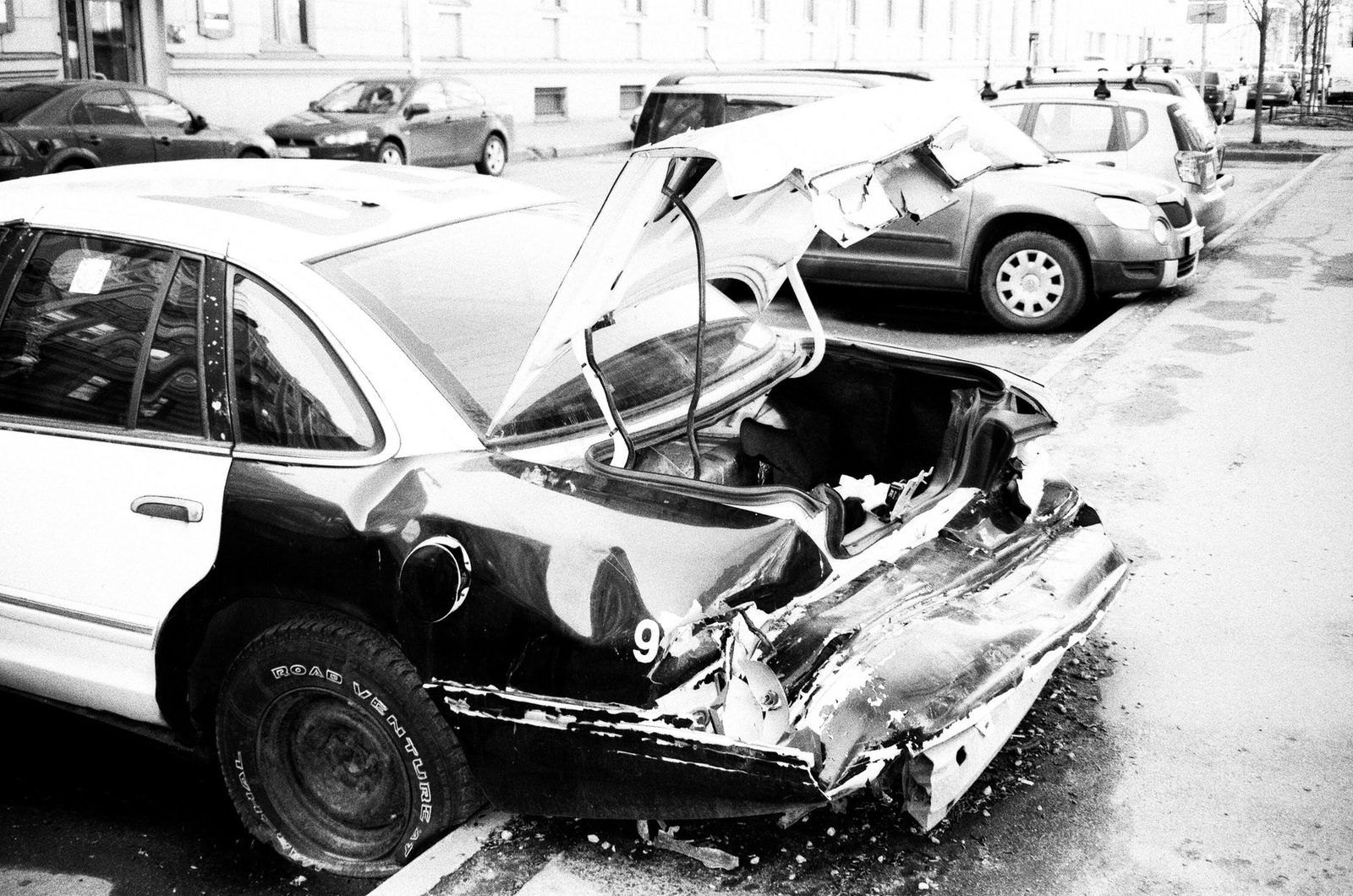
How is an old injury that a crash made worse treated?
An old injury that a crash made worse can still be part of a claim, if the link to the crash can be shown.
The main proof is medical. Doctors and other providers need to explain what changed after the crash and why. Treatment notes from before and after the crash help draw that line.
Expect the other side to argue that symptoms were already there. Prior visits, old imaging and pharmacy records can be used for that argument. That is why a clear medical timeline matters.
Under Louisiana Civil Code article 2324.1, in the assessment of damages in cases of offenses, quasi offenses, and quasi contracts, much discretion is left to the judge or jury. The result depends on the facts and the evidence presented.
Medical bills add another layer. When health insurance or Medicare paid a contracted provider, La. R.S. 9:2800.27 limits recovery of medical expenses to the amount actually paid, plus cost-sharing owed. It is not the full amount billed.
What do insurers ask about prior injuries?
An insurer may ask for prior medical records, past claims, work history and a recorded statement.
Answer accurately and carefully. Don’t guess at dates, old diagnoses or how long symptoms lasted. An estimate given under pressure can be used against a claim later.
Keep these points in mind:
- Ask before you sign a release or authorization.
- Don’t guess about who caused the crash.
- Don’t call your injuries minor before a provider has diagnosed them.
- Keep your own notes of calls and letters.
Louisiana law gives you a right to a copy of your statement. Under La. R.S. 13:3732, a person who takes a written, recorded or transcribed statement from an injured person must give that person a true and complete copy. If the copy is requested in writing, it is due within twenty days.
A lawyer can take over communications with the insurer. You don’t have to handle those calls alone while you recover.
Which records show the change from your baseline?
Medical records from before and after the crash are the core proof of what changed.
Useful records include:
- Prior treatment notes and visit summaries
- Imaging such as X-rays or MRIs, old and new
- Pharmacy history
- Work notes and any work restrictions
- Urgent care or emergency records from the day of the crash
Prompt medical evaluation after a crash creates a clear starting point. A long gap in treatment gives an insurer something to argue about, so follow the treatment plan your provider sets.
Crash reports are confidential. Under La. R.S. 32:398, they are available to listed people, including the parties, their attorneys and their insurers. On request, they are provided within seven working days after the investigation is complete.
Start a simple file now. Include the crash report number, photos of the vehicles and scene, witness names, the names of every provider you saw before and after, and a daily symptom journal. A medical provider, not a lawyer, makes the diagnosis and gives the opinion on cause.
Does partial fault end a Louisiana car accident claim?
Not always. For crashes on or after January 1, 2026, Louisiana uses modified comparative fault (La. Civ. Code art. 2323). Under La. Civ. Code art. 2323, if the percentage of negligence attributable to the injured person is less than fifty-one percent, damages are reduced in proportion to that percentage, and if it is equal to or greater than fifty-one percent, the injured person is not entitled to recover damages (La. Civ. Code art. 2323).
Under Louisiana Civil Code article 2323:
- Where the injured person’s own negligence is equal to or greater than fifty-one percent, that person is not entitled to recover damages (La. Civ. Code art. 2323).
- Where the injured person’s own negligence is less than fifty-one percent, the amount of damages recoverable is reduced in proportion to that percentage (La. Civ. Code art. 2323).
- The fault of everyone who contributed is counted, including people who are not parties to the case.
Fault is usually sorted out from the crash report, witness accounts, vehicle damage and any traffic evidence. An insurer’s first fault decision is not final.
Whiplash and other soft-tissue injuries face the same medical and fault questions as other injuries.
What are the deadlines, and what happens next?
Delictual (tort) injury claims generally face a two-year deadline that starts on the day the injury or damage is sustained, but it does not run against minors or interdicts in actions involving permanent disability and brought pursuant to the Louisiana Products Liability Act or state law governing product liability actions in effect at the time of the injury or damage (La. Civ. Code art. 3493.1).
Under Louisiana Civil Code article 3493.1, delictual (tort) actions are subject to a two-year liberative prescription, which is a filing deadline. The period starts to run on the day the injury or damage is sustained. The article has exceptions, so confirm the date for your own situation quickly.
Typical steps look like this:
- Get a medical evaluation and follow the treatment plan.
- Get the crash report number and keep every record.
- Contact a lawyer for a free consultation to review the facts and prior records.
- Records requests, investigation and insurer communications follow.
- Demand and negotiation begin. A lawsuit is filed if needed.
Timelines vary with treatment, record availability and whether fault or injury is disputed. No single timeline fits every claim.
The firm may associate or refer a case to other law firms.
Frequently asked questions
Can I still file if I had a prior back injury and the crash made it worse?
Yes, a claim can focus on the worsening the crash caused, supported by medical records.
Should I make a claim if I was partly at fault?
You may still have a claim. Under La. Civ. Code art. 2323, if the degree or percentage of negligence attributable to the person suffering injury, death, or loss is equal to or greater than fifty-one percent, that person shall not be entitled to recover damages.
Does partial fault affect a whiplash claim?
Under La. Civ. Code art. 2323, the fault provisions of paragraph A apply to any claim for recovery of damages for injury, death, or loss, regardless of the legal theory of liability, and a whiplash claim is one such claim for injury.
What should I not tell my insurance company?
Don’t guess at dates, prior symptoms or fault. Ask before you sign a release.
Do I have to give a recorded statement?
If you give one, Louisiana law gives you a right to a true and complete copy.
Why American Trial Lawyer for a New Orleans car accident claim?
Przemek Lubecki is the responsible lawyer for this page, and the firm’s office is in New Orleans, Louisiana.
American Trial Lawyer is led by trial lawyer Przemek Lubecki. The firm represents people seriously hurt in car, truck, commercial vehicle and rideshare crashes, and families in wrongful death cases.
The firm serves Orleans Parish and the New Orleans metro area, including Metairie, Jefferson Parish, Kenner, St. Bernard Parish and Slidell, as well as Louisiana more broadly.
The first consultation is free, confidential and without obligation to continue.
“Our team” means the firm’s own staff and lawyers. Co-counsel and referral firms are separate firms and are not part of American Trial Lawyer, LLC.
Talk with a New Orleans lawyer about your prior injury
If you are living with a crash injury on top of an old back or neck problem, you may be unsure whether a claim is still possible.
You may be recovering, sorting through medical bills and wondering what the insurer will ask next. That uncertainty is common, and it is a good reason to review your facts early.
If you were hurt in a New Orleans car crash and want to see how your prior records fit in, call 855-LUBECKI for a free consultation, or request a free case evaluation.
How we approach a prior back injury claim
Careful review of your records
We look at treatment notes, imaging and care from before and after the crash to understand what changed.
Attention to your whole story
Your health history, daily limits and recovery goals all matter, and we take time to learn them.
Plain-language answers
We explain the steps in clear terms so you know what to expect before you decide anything.
Serving the New Orleans area
Our New Orleans office serves people in Orleans Parish, the surrounding metro, and across Louisiana.
Keep your medical care going
Tell your doctor about the crash and about your earlier back problems, and keep your follow-up appointments. Complete records help show what the crash changed.
Questions people often ask
Can I still bring a claim?
Possibly. A claim can focus on the harm the crash caused, supported by medical records. A free consultation is the best way to talk through your situation.
What if I was partly at fault?
Fault questions can be complicated. Bring the facts of your crash to a free, confidential consultation so they can be reviewed with you.
Which records matter most?
Prior treatment notes, imaging, and records from after the crash all help show the difference between your old condition and your current one.
Who would handle my case?
Przemek Lubecki is the responsible lawyer for this page. Your case may be associated with or referred to other law firms, and we will tell you if that happens.