
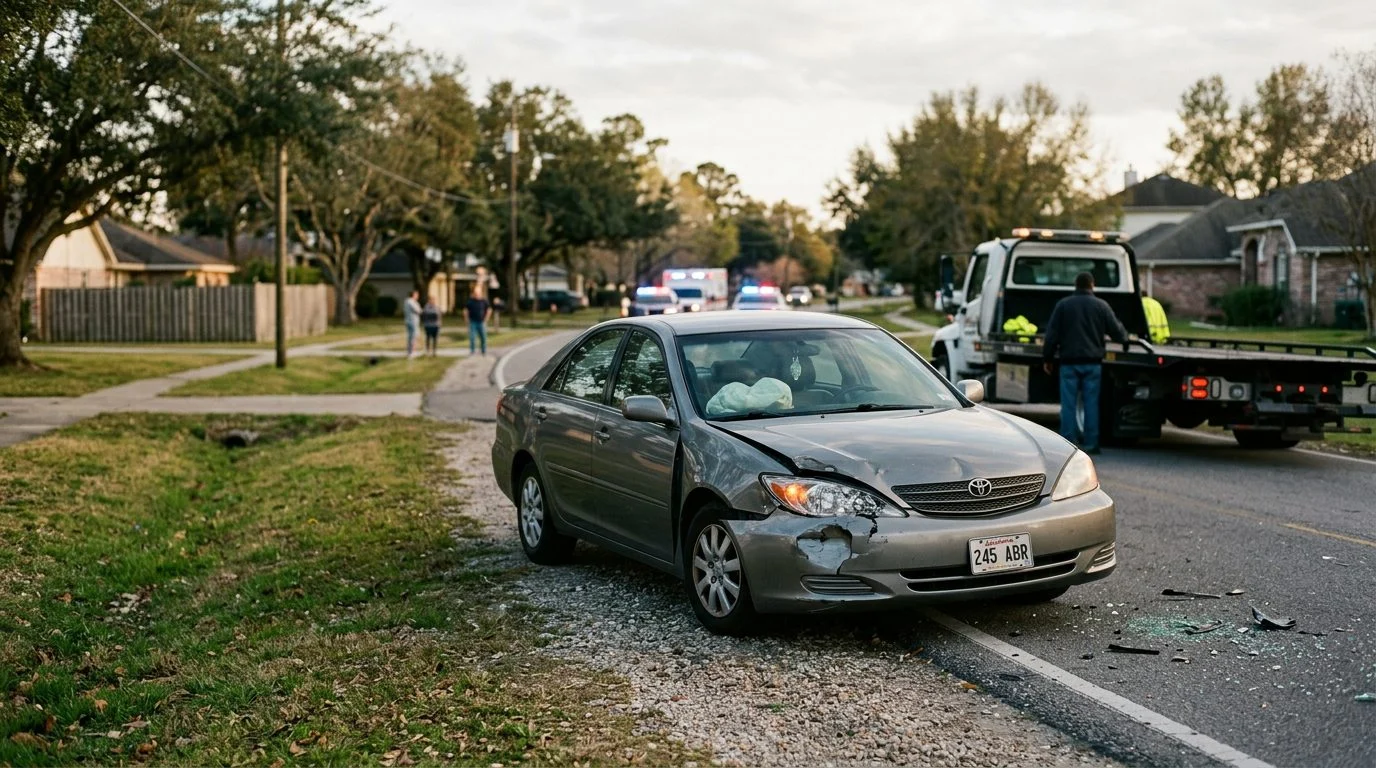
Car Accident Claims | New Orleans, Louisiana
When a Child Is Hurt in a Car Accident, Your Family Needs Clear Answers
A plain-language guide from New Orleans trial lawyer Przemek Lubecki on medical care, record keeping and the steps that can help protect your child. Your first consultation is free, confidential and without obligation.
By Przemek Lubecki · Published October 29, 2026
A child injured in a car accident in New Orleans often leads a parent to ask one question first: what happens now? Louisiana law makes a person responsible for harm caused by negligence, and that rule can apply when a child is hurt in a crash (La. Civ. Code art. 2316). This guide covers the questions parents ask most, in plain language, so you know what to gather and what to do next.
What a car accident claim for an injured child involves
A car accident claim for an injured child seeks compensation for harm the child suffered because another driver’s negligence caused the crash.
The child may have been a passenger, a pedestrian, or an occupant of another vehicle. The other vehicle may be a car, a pickup, a truck or a commercial vehicle. Each fact shapes the claim.
Louisiana law says damages may include loss of consortium, service, and society. Those damages can be recovered by the same people who could bring a wrongful death claim. Damages do not include future medical costs unless those costs are directly related to a manifest physical or mental injury or disease (La. Civ. Code art. 2315).
A child’s injuries often change over time. So the claim looks at care and changes after the crash, not only at the scene.
If the driver left the scene, Louisiana’s fault rule still applies. Fault is determined even when the other person’s identity is not known or reasonably ascertainable (La. Civ. Code art. 2323).
The firm may associate or refer a case to other law firms. If that is likely in your child’s matter, the firm will tell you.
If your child is still recovering and you are weighing your options, you don't have to sort it out alone. Our team offers a free, confidential consultation with no obligation. Talk it through with our team — the first consultation is free, confidential, and carries no obligation.
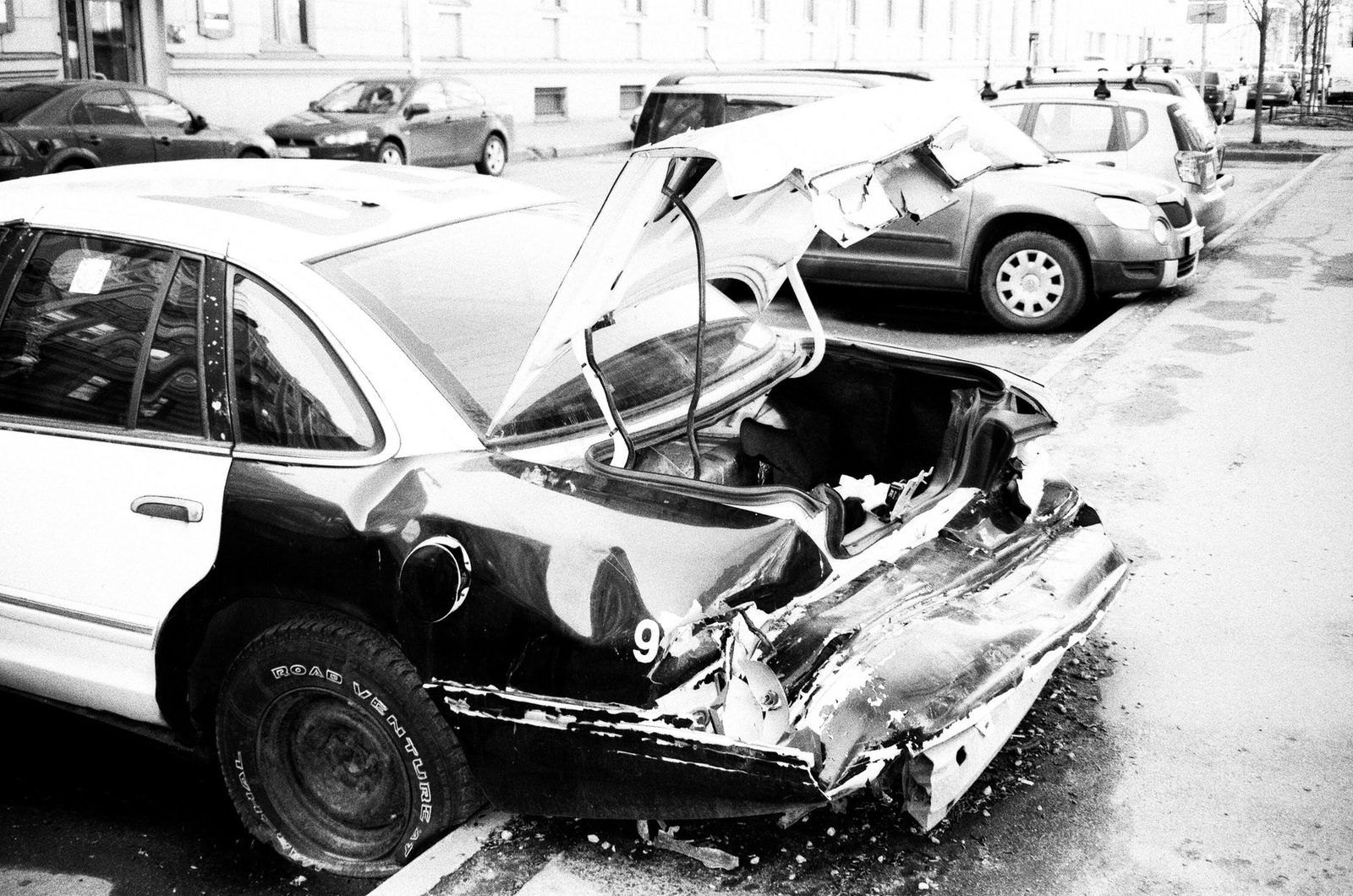
Who brings the claim for a minor and why timing matters
An adult usually acts for an injured child, and the filing clock still runs while the child is a minor.
Parents or other adults often handle the claim for a child. The firm reviews who should act for your child at the first consultation.
Louisiana’s general rule for delictual actions, which covers most injury claims from crashes, is two years. That period starts on the day the injury is sustained (La. Civ. Code art. 3493.1). Prescription runs against minors unless legislation provides an exception (La. Civ. Code art. 3468). So parents should not assume a child’s clock is paused.
Fault rules also changed. Under La. Civ. Code art. 2323, a person who suffers injury partly from his own negligence is not entitled to recover damages if the degree or percentage of negligence attributable to the person suffering injury is equal to or greater than fifty-one percent. A smaller share reduces recovery in proportion (La. Civ. Code art. 2323).
What the firm reviews after a crash involving a child
The firm reviews medical records, follow-up care, the crash report, insurance, and the child’s health before the crash.
- Medical records: emergency, urgent care, imaging, diagnoses and treatment plans.
- Follow-up care: pediatric visits, specialist referrals, therapy and school notes.
- Crash report: Crash reports are confidential. They are available to the parties, to parents or guardians of a minor party, to insurers or insurance support organizations under contract to provide claims and underwriting for a party that is the subject of the report, to any healthcare provider or their agent that rendered healthcare services to a party that is the subject of the report, to the succession representatives of those parties or their attorneys, and to a news-gathering organization that requests documents related to a specific crash, within seven working days after the investigation is complete (La. R.S. 32:398).
- Insurance: the at-fault driver’s coverage and your family’s own policy. Uninsured motorist coverage on a commercial automobile insurance policy may be selected on a form promulgated by the commissioner (La. R.S. 22:1295). La. R.S. 22:1295 reads: “If there is no selection of uninsured motorist coverage on the form provided to the insured and no payment of premium that includes this coverage, then it shall be presumed that no uninsured motorist coverage was selected for that policy or contract, and the provisions of this Section shall not apply.”
- Earlier needs: prior medical or developmental history, so the child’s condition before and after the crash is described accurately.
Signs a child needs medical evaluation after a crash
Every child who was in a crash should be checked by a doctor, even if the child seems fine.
Some changes appear days or weeks later, so keep watching. Tell the child’s doctor about unusual sleepiness, headaches, vomiting, confusion, neck or back pain, limping, or changes in eating or sleep.
Children can also react emotionally. Watch for fear of riding in cars, nightmares, clinging, irritability, or trouble returning to school or activities. Share these changes with the child’s doctor.
Keep a simple log of symptoms, appointments, and missed school or activities. Medical decisions belong to the child’s doctors.
Steps to take after a car accident involving a child
Get the child checked by a doctor, then collect driver, witness, scene and record details as soon as it is safe.
- Call 911 if anyone is hurt. Get the child evaluated the same day.
- Move to safety if you can. Do not move a child who may have a neck or spine injury unless there is immediate danger.
- Get the driver’s information. Under state law, a driver must give name, address and registration number to any person injured in the crash (La. R.S. 32:398).
- Write down witness names. Photograph the scene, the vehicles and the injuries.
- Request the crash report. Police provide crash photographs and video to any interested person on request, and may charge a reasonable fee.
- Keep every record. Save bills, receipts, prescriptions and notes about your child’s daily life.
- Think before a recorded statement. If an insurer asks for one, talk with a lawyer first. A person who takes a statement from an injured person must give a copy within twenty days after written demand (La. R.S. 13:3732).
How the free consultation and case review work
You start by calling 855-LUBECKI or submitting a request for a free case evaluation. The first consultation is free, confidential and without obligation to continue.
- Step 1, contact: Call 855-LUBECKI or request a free case evaluation. Describe what happened, when, where and how your child was hurt.
- Step 2, consultation: Bring the crash details, medical papers and insurance information you have.
- Step 3, records: The firm requests and reviews medical records, bills, the crash report and follow-up notes.
- Step 4, evaluation: The firm explains the possible paths for the claim, including talks with insurers and any steps the law requires for a child’s claim.
Timelines vary with treatment, insurers and court schedules. An estimate comes only after the records are reviewed. Our office is in New Orleans, Louisiana.
Not sure what your next step is?
Talk it through with our team — the first consultation is free, confidential, and carries no obligation.
Why parents contact American Trial Lawyer
American Trial Lawyer is a New Orleans firm, and trial lawyer Przemek Lubecki is the responsible lawyer for this page.
The firm handles truck, car, commercial vehicle, rideshare and motorcycle accidents, wrongful death, brain injury and negligent security claims. Our team supports every matter from intake through the records review.
Clear communication matters in a child’s case. Our team explains who is handling the claim, what is being done, and which decisions need your approval.
If your child’s case is referred to or associated with another firm, the firm will tell you before you decide.
Frequently asked questions
Can a car accident cause psychological trauma in a child?
Yes, a crash can affect a child emotionally. Share fear, nightmares or trouble with routines with the child’s doctor.
How do I know if my child is okay after a car accident?
Have a doctor check your child, even if the child seems fine. Keep watching for changes over the following days and weeks.
What should I do after a minor car accident involving my child?
Get your child checked by a doctor. Collect driver and witness details, photograph the scene, request the crash report and keep every record.
Is there a deadline for a child’s car accident claim in Louisiana?
Louisiana’s general rule for these claims is two years from the day of injury. Prescription does not run against minors or interdicts only in actions involving permanent disability and brought pursuant to the Louisiana Products Liability Act or state law governing product liability actions, so don’t assume the clock is paused for a child’s car accident claim (La. Civ. Code art. 3493.1).
Who can get a copy of the crash report?
Parents or guardians of a minor party can request it. Upon request, the report is available to the persons the statute lists, including parties to the crash and parents or guardians of a minor party, within seven working days after the investigation is complete (La. R.S. 32:398).
Does the firm charge for the first meeting?
The first consultation is free, confidential and without obligation to continue.
Will another firm handle my child’s case?
The firm may associate or refer a case to other law firms. If that is likely, the firm will tell you.
If your child is still recovering and you are weighing your options, you don’t have to sort it out alone. Our team offers a free, confidential consultation with no obligation.
Steps Families Can Take Now
Get your child checked by a doctor
Have a doctor examine your child even if they seem fine. Some injuries and changes are easier to notice after a few days.
Keep every record
Save the crash report, medical bills, visit notes, photos and any letters from insurance companies in one place.
Watch for changes at home and school
Note changes in sleep, appetite, mood, school performance or behavior, and share them with your child's doctor.
Talk with a lawyer before you sign
Before you agree to a settlement or sign any release for your child, speak with a lawyer about what it means.
Be Careful With Early Insurance Requests
Insurance adjusters may contact your family quickly and ask for recorded statements or signatures. Talk with a lawyer before you respond in detail. American Trial Lawyer may associate or refer a case to other law firms. Przemek Lubecki practices law in Louisiana, with an office in New Orleans.
What Families Often Face After a Child's Crash
Physical injuries
Some injuries take time to show. Follow the doctor's plan for follow-up visits, therapy and monitoring.
Emotional effects
A crash can leave a child feeling afraid or anxious, and some children have nightmares or trouble returning to routines.
Impact on the family
Parents may need time off work, help with childcare and support for transportation to appointments.
Organizing the claim
Collecting records early can make it easier to understand what has happened and what questions to ask.