
Wrongful Death · New Orleans, Louisiana
Understanding Wrongful Death Settlements in Louisiana
There is no single average figure. Here is what shapes these claims, and how Przemek Lubecki and our team can talk through your family's situation from our New Orleans office.
By Przemek Lubecki · Published November 6, 2026
There is no reliable single average settlement for a Louisiana wrongful death suit. Every claim turns on its own facts, the survivors involved, and the insurance that applies. This page explains why published averages can mislead and what Louisiana law says about these claims. It is general information, not a prediction for your family.
Why a single average settlement figure can mislead
A single average usually blends many different cases, states and years. Those cases rarely match what your family is facing.
Averages reported for other states, such as New York or California, reflect those states’ laws. Louisiana has its own rules for who may sue, how fault is shared and which losses can be pursued. Numbers from somewhere else do not guide a Louisiana claim.
Value depends on how the death happened, who survived, what each survivor lost and what insurance is available. Insurance matters more than many families expect. A policy limit can cap what is available, even when the losses are serious. For the broader picture, see our wrongful death overview. The more useful question is which categories of loss Louisiana law allows the family to pursue, and who may bring the claim.
Not sure what your next step is?
Talk it through with our team — the first consultation is free, confidential, and carries no obligation.
What Louisiana wrongful death damages can include
Louisiana law first decides who may sue. A surviving spouse and child or children may bring the claim, or either the spouse or the children alone. If the person left no spouse or child, the father and mother may sue. Siblings and grandparents may sue only when no closer survivor exists. See La. Civ. Code art. 2315.2.
A separate survival action covers the injured person’s own damages from the injury. It runs in favor of the same survivors. If no class of survivor exists, the succession representative may pursue it. See La. Civ. Code art. 2315.1.
Medical bills need a closer look. When a health insurer or Medicare paid a contracted provider, the recovery for those bills is limited to the amount actually paid. It also includes cost-sharing the claimant paid or owes. It does not include the higher billed amount. See La. R.S. 9:2800.27.
Families often also ask about funeral costs and about the support the person would have provided. A lawyer can review which losses fit your family’s facts.
Factors that shape the value of a wrongful death settlement
Value rises or falls with the facts of the death and the losses that follow. Several factors can be relevant when a case is evaluated.
The person’s age, health, work history and role in the household all matter. So does each survivor’s relationship to that person. How daily life has changed for each survivor also matters. These details need careful, honest records.
How clearly the crash or incident caused the death matters too. Police reports, medical records, video and witness statements help show what happened.
The type of defendant changes the picture. A commercial carrier, a rideshare company, a property owner and an individual driver each bring different insurance and different questions about responsibility. Negligent security claims often focus on the property owner’s security measures.
Some cases need outside technical analysis, such as a reconstruction of how the crash happened or a review of medical cause. Whether the death was sudden or followed a period of suffering also affects the survival claim.
How Louisiana’s comparative fault rule can change a claim’s value
Under La. Civ. Code art. 2323, if a person suffers injury, death, or loss partly as the result of his own negligence and partly as a result of the fault of another person or persons, that person is not entitled to recover damages if the degree or percentage of negligence attributable to that person is equal to or greater than fifty-one percent, unless the other person is an intentional tortfeasor, in which case the claim is not reduced. Under La. Civ. Code art. 2323, if a person suffers injury, death, or loss partly as the result of his own negligence and partly as a result of the fault of another person or persons, and that degree or percentage is less than fifty-one percent, the amount of damages recoverable is reduced in proportion to it, unless the other person is an intentional tortfeasor, in which case the claim is not reduced. See La. Civ. Code art. 2323.
Under Louisiana’s comparative fault rules (La. Civ. Code art (La. Civ. Code art. 2323). 2323), a person whose own negligence is fifty-one percent or more of the fault is not entitled to recover damages, and a person whose share is less than fifty-one percent has the damages they can recover lowered in proportion to that share. The exception is when the injury, death, or loss results partly from the fault of an intentional tortfeasor, in which case the claim for damages is not reduced (art. 2323(C)).
Insurers and defendants often argue that the person who died shared the blame. That argument can change the numbers during settlement talks. Policy limits add another ceiling.
When more than one party contributed, the split of fault matters. Under La. Civ. Code art. 2323(A)(1), in any action for damages, fault is apportioned among all persons causing or contributing to the injury, death, or loss, whether or not each of them is a party to the action. See La. Civ. Code art. 2324. See La. Civ. Code art. 2324.
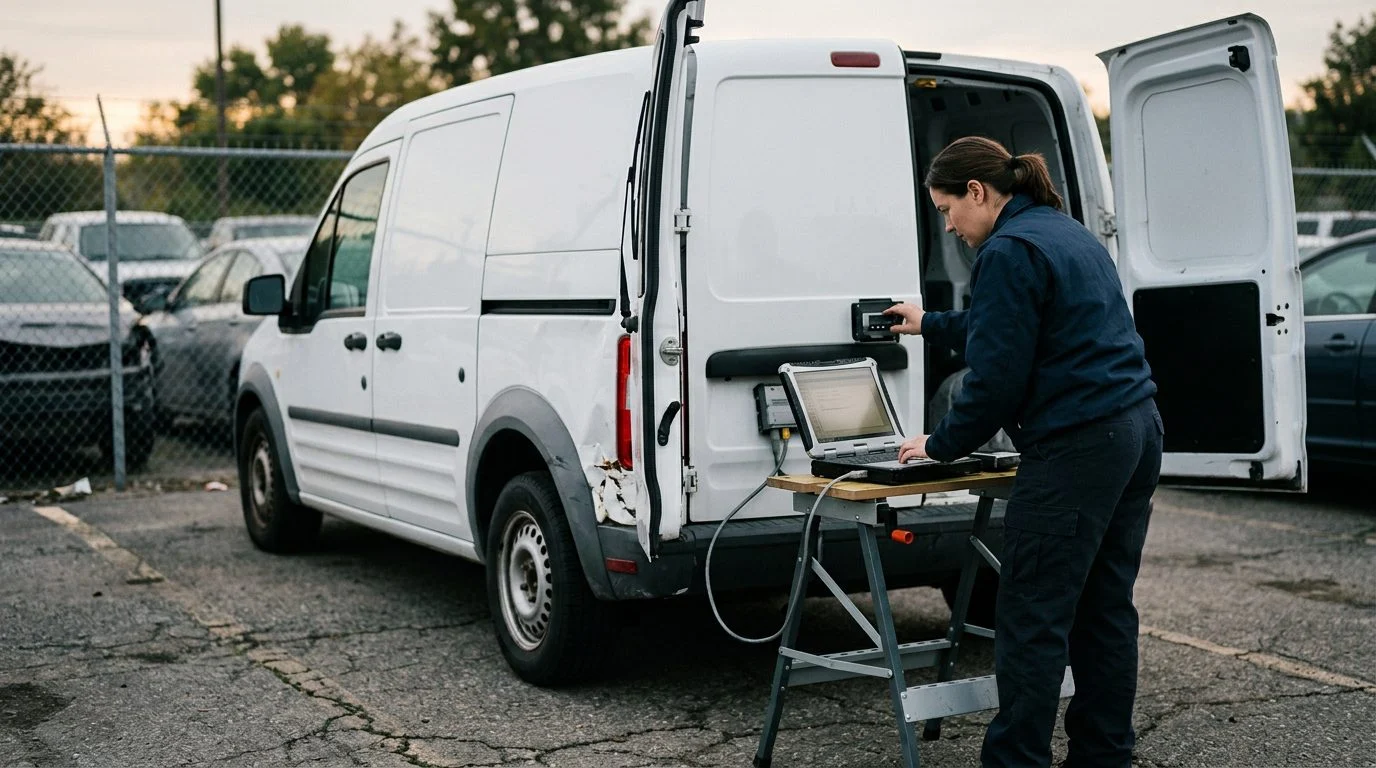
Evidence matters early. Vehicle data, phone records and driver logs can help show how fault should be divided. Those records can be lost if they are not preserved.
How long a wrongful death lawsuit takes and why timing matters
The filing deadline is the firm legal limit, and it can come sooner than families expect. For a wrongful death claim, the time limit is one year from the death or two years from the day the injury was sustained, whichever is longer, except for medical malpractice actions, which prescribe one year from the death of the deceased. See La. Civ. Code art. 2315.2. The survival action follows the same period under La. Civ. Code art. 2315.1, except that the prescriptive period for medical malpractice survival actions is governed by R.S. 9:5628.
Many claims move through investigation, a demand, negotiation and sometimes mediation. Mediation uses a neutral person to help the sides talk. According to the American Arbitration Association, mediation can help parties assess realistic settlement value and resolve a dispute efficiently.
Cases take longer when liability is disputed, several parties are involved, or medical and economic records are still being gathered. Settling before the family understands its losses is a real risk. Take time to ask questions first.
Recognizing a settlement offer worth reviewing
An early offer deserves a careful review before you respond. Start by asking what the offer covers and how it was calculated.
An offer that covers only some costs, or ignores the survivors’ losses, may not reflect the full claim. Offers made before the investigation is finished are hard to judge. Liability and insurance coverage may still be unknown.
Read any release closely.
Crash reports can help you check the facts. Under La. R.S. 32:398, crash reports are confidential. They are available only to the parties to the crash, parents or guardians of a minor who is a party to the crash, insurers of a party or an insurance support organization under contract to provide claims and underwriting, healthcare providers or their agents who rendered services to a party, succession representatives and attorneys of the parties, and news-gathering organizations that request documents related to a specific crash. On request, they must be made available within seven working days after the crash investigation is complete.
Ask for a clear written explanation of which damages the offer covers and how the number was reached.
Not sure what your next step is?
Talk it through with our team — the first consultation is free, confidential, and carries no obligation.
Talking with a New Orleans trial lawyer about your family’s claim
You do not have to work out what the claim is worth on your own. Przemek Lubecki is the responsible lawyer for this page. American Trial Lawyer, LLC has its office in New Orleans. The firm represents families in wrongful death cases arising from truck, car, commercial vehicle, rideshare, motorcycle and negligent security incidents. It also handles brain injury matters. Families in Orleans Parish, the New Orleans metro area and across Louisiana can reach the firm.
The firm may associate or refer a case to other law firms.
Frequently asked questions
Is there a standard average for a Louisiana wrongful death settlement?
No. There is no reliable single average, because each claim depends on its own facts and insurance.
Who can bring a wrongful death claim in Louisiana?
Louisiana law lists the surviving spouse and children first. Parents, siblings and grandparents may sue in certain cases when closer survivors do not exist.
How long does a family have to file?
For many claims, the time limit is one year from the death or two years from the injury, whichever is longer.
If you are weighing a claim after losing someone you love, the first consultation is free, confidential and without obligation. Call 855-LUBECKI or request a free case evaluation.
Why there is no standard number
Every case has its own facts
How a death happened, who was involved and what the evidence shows differ from one family to the next.
Insurance coverage varies
The insurance and other sources of recovery available in a particular matter can change the outcome of any claim.
Every family's losses are different
The people who depended on the person who died, and the losses they have suffered, are unique to each family.
Figures online can mislead
A number from another case may not reflect the facts, parties or coverage in yours.
Your first conversation is free
The first consultation is free, confidential and without obligation to continue. Przemek Lubecki and American Trial Lawyer, LLC may associate or refer a case to other law firms. Any co-counsel or referring lawyer is not part of American Trial Lawyer, LLC.
How we can help families get started
Share what you know
Tell us what happened and who your family has lost. You do not need every answer before you reach out.
Gather the records
Police reports, medical and death records, photos and insurance letters can help us understand the claim. We will tell you which items matter most.
Talk with the responsible lawyer
Przemek Lubecki will review the facts with you and explain your options in plain language, with no obligation to continue.
Serving Louisiana families
We represent families in Orleans Parish, Jefferson Parish, Metairie, Kenner, St. Bernard Parish, Slidell and across Louisiana, with our office in New Orleans.