
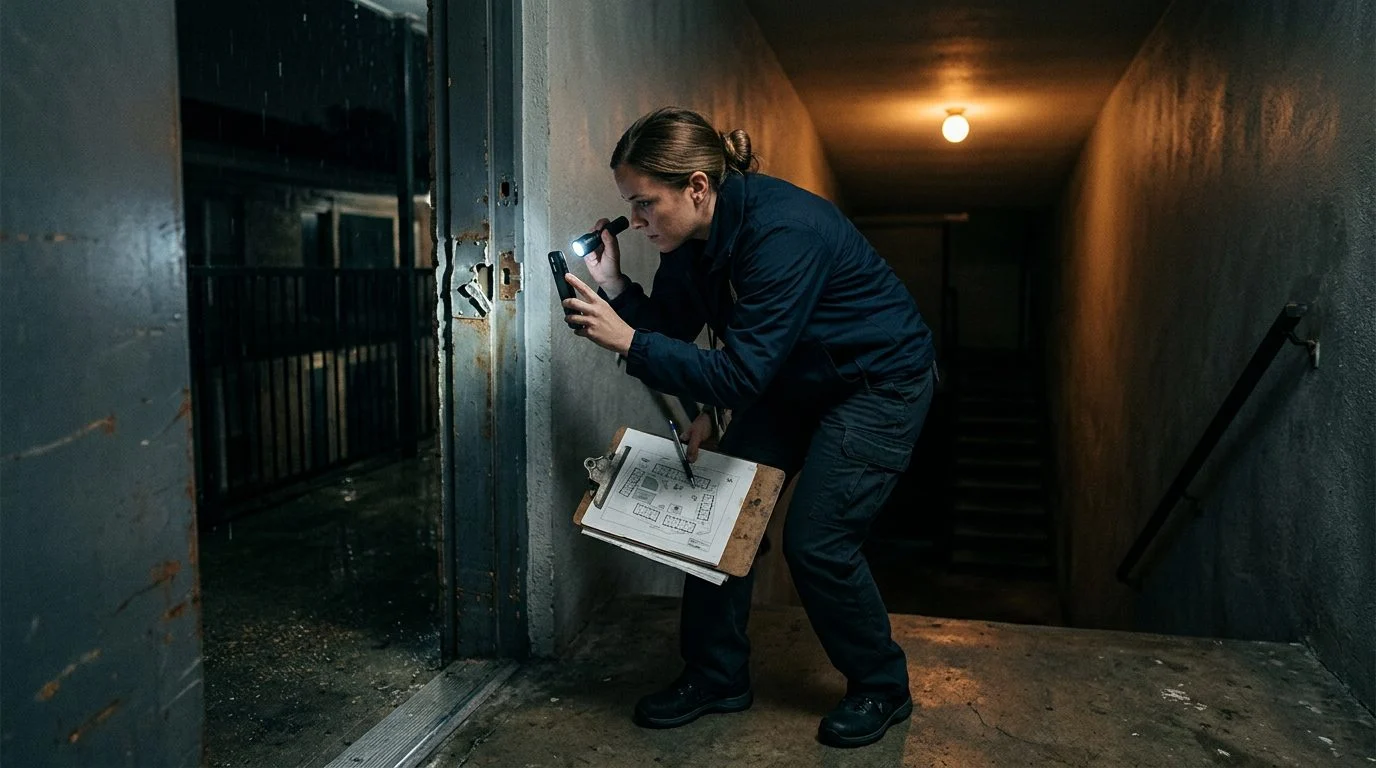
Negligent Security Wrongful Death · New Orleans, Louisiana
When Lack of Security Turns Tragic, New Orleans Families Deserve Answers
Przemek Lubecki, a trial lawyer with American Trial Lawyer, LLC, represents families in wrongful death cases that arise from violent crimes on property where reasonable security may have been missing. Your first consultation is free, confidential, and without obligation.
By Przemek Lubecki · Published November 6, 2026
A family may be able to sue after a fatal shooting in Louisiana when another party’s fault caused the death. The claim is not automatic. Here is what those elements mean in plain words.
The short answer: a family may sue, but the claim has specific elements
Under Louisiana law, if a person dies due to the fault of another, suit may be brought to recover damages the survivors sustained because of the death (La. Civ. Code art. 2315.2). The general fault rule says every act of man that causes damage to another obliges the person at fault to repair it (La. Civ. Code art. 2315). Louisiana also holds a person responsible for damage caused by negligence, imprudence, or want of skill (La. Civ. Code art. 2316).
Negligent security cases are often organized around four questions: duty, foreseeability, breach, and causation. These questions help a family sort the facts. They are a plain-language way to organize a claim, not a separate statute. A court decides how the general rules apply to the facts in each case.
If a shooting on a property took your loved one, you may have questions about whether the security failed, and you don't have to sort them out alone. Our team can talk with you in a free, confidential consultation. Talk it through with our team — the first consultation is free, confidential, and carries no obligation.
Who may bring a wrongful death claim in Louisiana
A surviving spouse and children come first. The spouse, or the child or children, may bring the claim (La. Civ. Code art. 2315.2).
If the person left no spouse or child, the surviving father and mother may sue, or either one of them, but a parent who abandoned the deceased during his minority is treated as not having survived him. If there is no spouse, child, or parent, the surviving brothers and sisters may sue. If there is no spouse, child, parent, or sibling, the surviving grandparents may sue.
The order matters. A parent may not be the proper plaintiff if a surviving spouse or child is living. Adopted children and relatives are counted the same way under the statute.
The wrongful death claim covers the survivors’ own losses. A separate claim, called a survival action, covers the injured person’s own damages. Louisiana’s survival action rule is in La. Civ. Code art. 2315.1. Families unsure of their place in that order should ask a lawyer early.
Element one: the owner’s duty to provide reasonable security
The general fault rules in La. Civ. Code art. 2315 and La. Civ. Code art. 2316 are the starting point. Courts apply them to property owners based on the facts.
The scope of that duty can vary. The relationship between the owner and the person harmed matters. So do the type of property and the circumstances. A store, an apartment complex, and a parking lot each raise different questions.
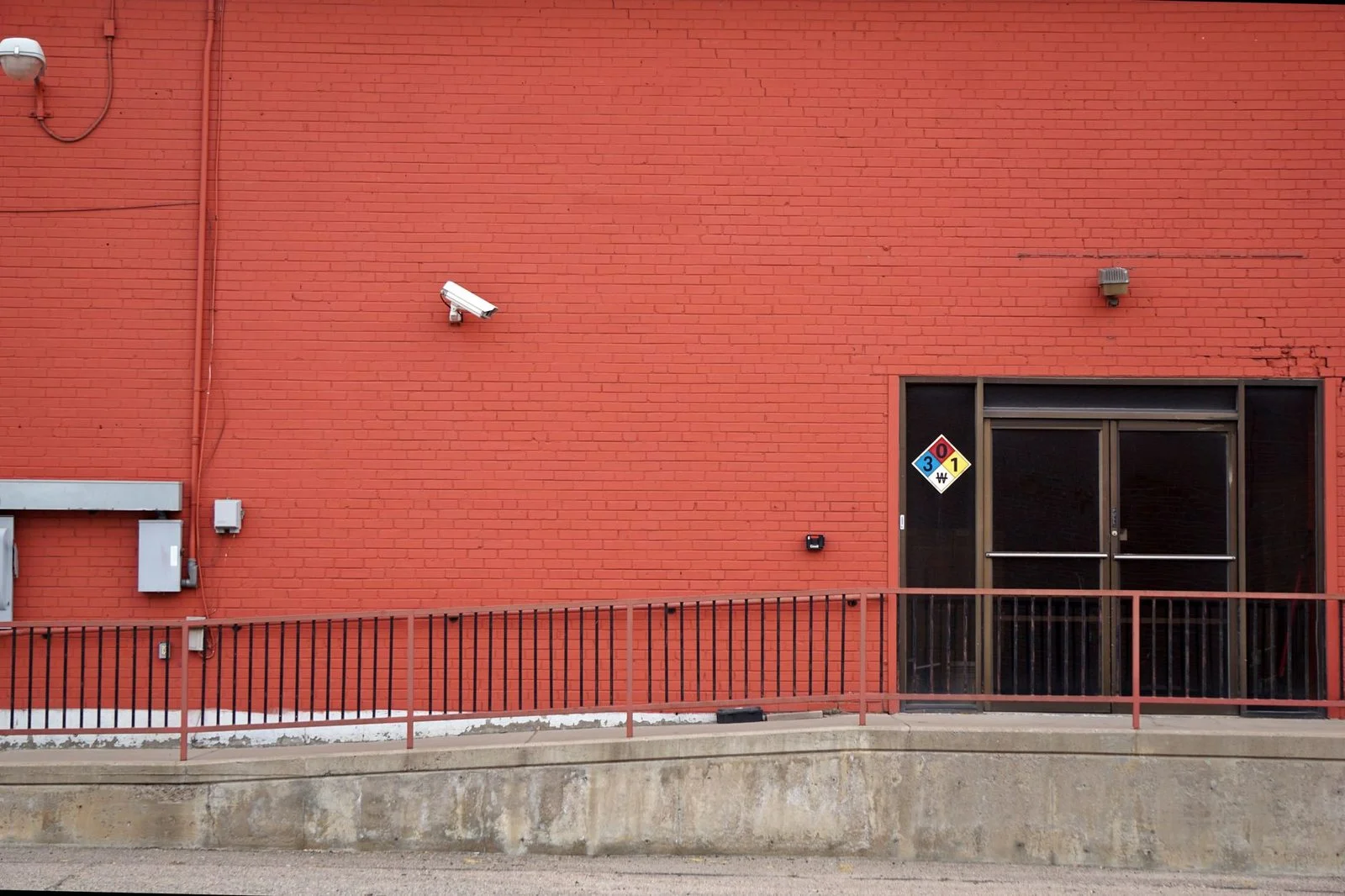
Security measures a court may consider include lighting, controlled access, working gates, cameras, staffing, and how the owner responded to known problems. Our team looks at which measures existed, which were missing, and why.
Owners often say they had security in place.
Element two: whether the shooting was a foreseeable risk
Hindsight alone does not answer that question.
Evidence that can show foreseeability includes:
- prior incidents on or near the property
- repeated police calls to the address
- complaints from tenants, customers, or neighbors
- known security gaps that were never fixed
A common mistake is assuming the shooting itself proves fault. A violent act does not answer the foreseeability question by itself. The records from before the shooting are where this question gets answered.
Element three: breach, meaning security that was not reasonable
A family may point to specific problems, such as:
- lights or gates that were broken and not repaired
- entrances left open and unmonitored
- repair requests that were ignored
- security steps promised to tenants or customers but never carried out
One missing device is not automatically a breach. A missing camera alone may not decide the case. The question is whether the overall measures fit the foreseeable risk, and whether the plan was actually followed.
Element four: causation, linking the security gap to the death
Under La. Civ. Code art. 2316, a person is responsible for the damage he occasions not merely by his act, but by his negligence, his imprudence, or his want of skill.
The defense often argues that the shooter’s crime was the only cause. Louisiana’s comparative fault article is different. It requires the fault of all persons causing or contributing to the harm to be determined, whether or not they are parties to the case (La. Civ. Code art. 2323). So the shooter’s fault is counted alongside the owner’s fault.
The same article also reduces damages when the injured person shares some fault, but a claim is not reduced if the injury results partly from the fault of an intentional tortfeasor. La. Civ. Code art. 2323(A)(2)(a) provides that if the degree or percentage of negligence attributable to the person suffering injury, death, or loss is equal to or greater than fifty-one percent, recovery of damages is barred, but art. 2323(C) provides that, notwithstanding paragraphs A and B, a claim is not reduced where the injury results partly from the fault of an intentional tortfeasor (La. Civ. Code art. 2323). A smaller share reduces recovery in proportion, except that a claim is not reduced if the injury results partly from the fault of an intentional tortfeasor.
Not sure what your next step is?
Talk it through with our team — the first consultation is free, confidential, and carries no obligation.
Evidence a family’s lawyer typically reviews in these cases
The core records are police reports, prior call history, video, and the owner’s security paperwork. Each one can show what was known, what was done, and what was missing.
Records that are commonly reviewed include:
- police and incident reports
- prior call records for the address
- surveillance footage, if it exists
- leases, security contracts, and vendor agreements
- maintenance and repair requests
- witness statements
- coroner or medical examiner records
Video systems and logs can be overwritten on a schedule. Early written requests to preserve footage and records help protect this evidence. Families should also keep copies of every letter and notice they receive, including insurance letters. Keeping these records in one place makes them easier to review later.
Frequently asked questions
Short answers to three common questions follow.
Do we need a criminal conviction before filing?
How soon must a claim be filed?
Louisiana sets time limits that can be strict. The wrongful death right generally prescribes one year from the death or two years from the injury, whichever is longer (La. Civ. Code art. 2315.2).
Can more than one party be sued?
Yes, an owner, manager, or security contractor may each be involved. A joint tortfeasor is generally liable only for its own share of fault, but one who conspires with another person to commit an intentional or willful act is answerable, in solido, with that person, for the damage caused by such act (La. Civ. Code art. 2324).
Speak with a trial lawyer about your family’s situation in New Orleans
If your family lost someone in a shooting on a property, you may be asking whether the lack of security could support a claim. You may also be wondering what to do before any deadline runs.
Przemek Lubecki is the responsible lawyer for this page. The office is in New Orleans, Louisiana. The firm handles negligent security and wrongful death matters. More detail is on the negligent security page.
The firm may associate or refer a case to other law firms. This page gives general information, not legal advice about your situation.
Our team can review the facts of your loss with you in a free, confidential consultation, with no obligation to continue. To begin, call 855-LUBECKI or request a free case evaluation.
How we approach a negligent security case
Focused on the security question
We look closely at whether the property owner, manager, or security contractor took reasonable steps to protect people on the premises, including lighting, locks, staffing, and prior incident reports.
Evidence that matters
Police reports, surveillance footage, maintenance records, and security contracts can be time-sensitive. We help families understand what to request and what to preserve.
Families at the center
A wrongful death case is about the person you lost. We explain each step in plain language so you can make informed decisions at your own pace.
Straight answers, Louisiana focus
Przemek Lubecki practices in New Orleans and works with families across Orleans Parish, the New Orleans metro, and Louisiana.
Preserve what you can
If your loved one was harmed in a security-related incident, keep police report numbers, medical records, photographs, and any letters from property owners or insurers. Do not sign statements or releases from an insurance company before you have talked with a lawyer.
Questions families often ask
Who can be responsible?
Depending on the facts, an owner, property manager, or security contractor may each be involved. We review the roles of everyone connected to the property.
What does a free consultation include?
We review what happened, answer your questions, and discuss possible next steps. The first consultation is free, confidential, and without obligation to continue.
Will my case be handled by this office?
Przemek Lubecki is the responsible lawyer for this page. The firm may associate or refer a case to other law firms, and we will tell you if that is likely in your matter.
Where is the office?
Our office is in New Orleans. We serve families in Orleans Parish, Metairie, Jefferson Parish, Kenner, St. Bernard Parish, Slidell, and across Louisiana.