
Wrongful Death | New Orleans, Louisiana
When a Shooting Takes a Loved One, You Don't Have to Face the Legal Process Alone
Przemek Lubecki, a New Orleans trial lawyer, represents families in Louisiana wrongful death cases arising from shootings. Your first consultation is free, confidential and without obligation.
How We Approach a Shooting Death Case
Compassion for your family
A shooting death is sudden, violent and painful. We take the time to listen and to explain each step in plain language.
Attention to every responsible party
Depending on the facts, a claim may involve more than one party. We look carefully at who may be accountable for the death.
Civil claims, separate from criminal cases
A criminal case and a civil wrongful death claim are different matters. Families can ask about civil options whether or not an arrest has been made.
Early attention to timing
Important deadlines can apply to wrongful death claims. Contacting us early gives us the best opportunity to review your situation promptly.
Free, confidential first consultation
Call 855-LUBECKI or request a free case evaluation. There is no obligation to continue after the consultation.
By Przemek Lubecki · Published November 2, 2026
Shooting Death Wrongful Death Lawsuit New Orleans Families Can Consider
A shooting death wrongful death lawsuit New Orleans families consider is a civil claim brought by eligible relatives. It may be possible when a death was caused by another party’s fault, including a property owner who failed to take reasonable security steps. This page explains the basics in plain terms. Przemek Lubecki is the responsible lawyer for this content, and the firm’s responsible office is in New Orleans.
If you’re reading this after a recent loss, you may be researching for a family member while still grieving. That’s a lot to carry, and you don’t need every answer today.
If a shooting took your family member's life, you may have a claim worth reviewing, and our New Orleans team can talk it through with you. Talk it through with our team — the first consultation is free, confidential, and carries no obligation.
What a Negligent Security Wrongful Death Claim Is
A wrongful death claim is a lawsuit that eligible family members bring after someone dies because of another party’s fault.
Louisiana law states the general rule this way: every person is responsible for the damage he occasions not merely by his act, but by his negligence, his imprudence, or his want of skill.
Families often ask whether an arrest matters. A civil lawsuit is separate from a criminal case, and the two follow different paths. A shooting can support a civil claim when the facts show that security problems played a part in the death.
Who Can File a Wrongful Death Lawsuit in Louisiana
The closest family members may file first, and more distant relatives may file only if no closer relative survives. Under La. Civ. Code art. 2315.2, the rules run in this order:
- The surviving spouse and child or children of the deceased, or either of them.
- The surviving father and mother, if the deceased left no spouse or child.
- The surviving brothers and sisters, if there is no spouse, child or parent.
- The surviving grandfathers and grandmothers, if there is no spouse, child, parent or sibling.
The statute also includes adoptive relatives in these categories.
A survival action is a separate claim. It covers the injury the deceased person suffered before death. Under La. Civ. Code art. 2315.1, the same family classes may bring it, and the succession representative may pursue it where no such class exists. Who qualifies in your family depends on the facts, and a consultation can review them.
When a Shooting May Support a Negligent Security Claim
A shooting may support a negligent security claim when the facts show that security failures contributed to the death. Several facts usually matter:
- Prior crimes, calls or complaints at or near the location.
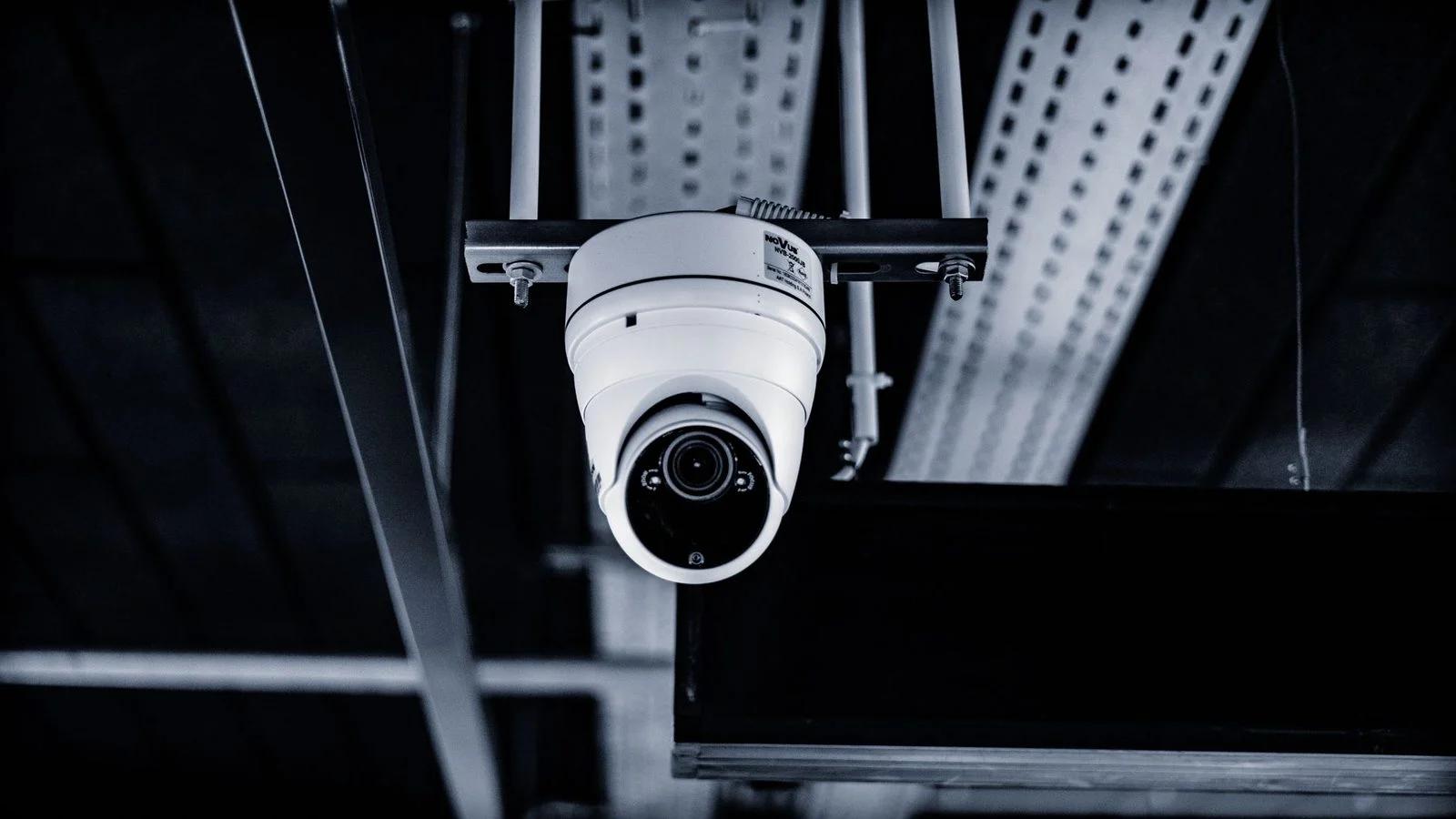
- Lighting, locks, gates, cameras and security staffing at the time.
- Whether the owner or manager knew about the danger and what it did in response.
Useful evidence often includes police reports, surveillance footage, maintenance and security contracts, and witness statements. The City of New Orleans police reports guidance explains the request process.
Several parties can share responsibility, such as an owner, a management company or a security contractor. Under La. Civ. Code art. 2323, fault is assigned to everyone who contributed, whether or not they are a party to the suit. Under La. Civ. Code art. 2323, if the degree or percentage of negligence attributable to the person suffering injury, death, or loss is equal to or greater than fifty-one percent, that person is not entitled to recover damages; if that negligence is less than fifty-one percent, the damages recoverable are reduced in proportion to it, but if the other party is an intentional tortfeasor, the claim is not reduced. Under La. Civ. Code art. 2324, a joint tortfeasor is generally not liable for more than its own degree of fault.
What a Wrongful Death Claim Can Cover
A wrongful death claim can include losses that eligible family members suffered because of the death. Louisiana law recognizes loss of consortium, service, and society. In plain terms, that means the companionship, love and help a family member lost.
Those losses are recoverable by the same family members who could sue for wrongful death. A survival claim can address the deceased person’s own damages from the injury before death, as described above.
Other losses the facts support may also be part of a claim. Each claim depends on its own evidence. No one can predict the value of a claim before the facts are reviewed, so avoid anyone who offers a number before the evidence is in.
How the Process Typically Works
A typical matter moves through a set of steps. Each stage depends on the facts and the parties involved, and no timeline is promised.
- First consultation. The family shares what happened and what documents they have.
- Preserving evidence. Requests go out for footage, incident reports and records that can be lost over time.
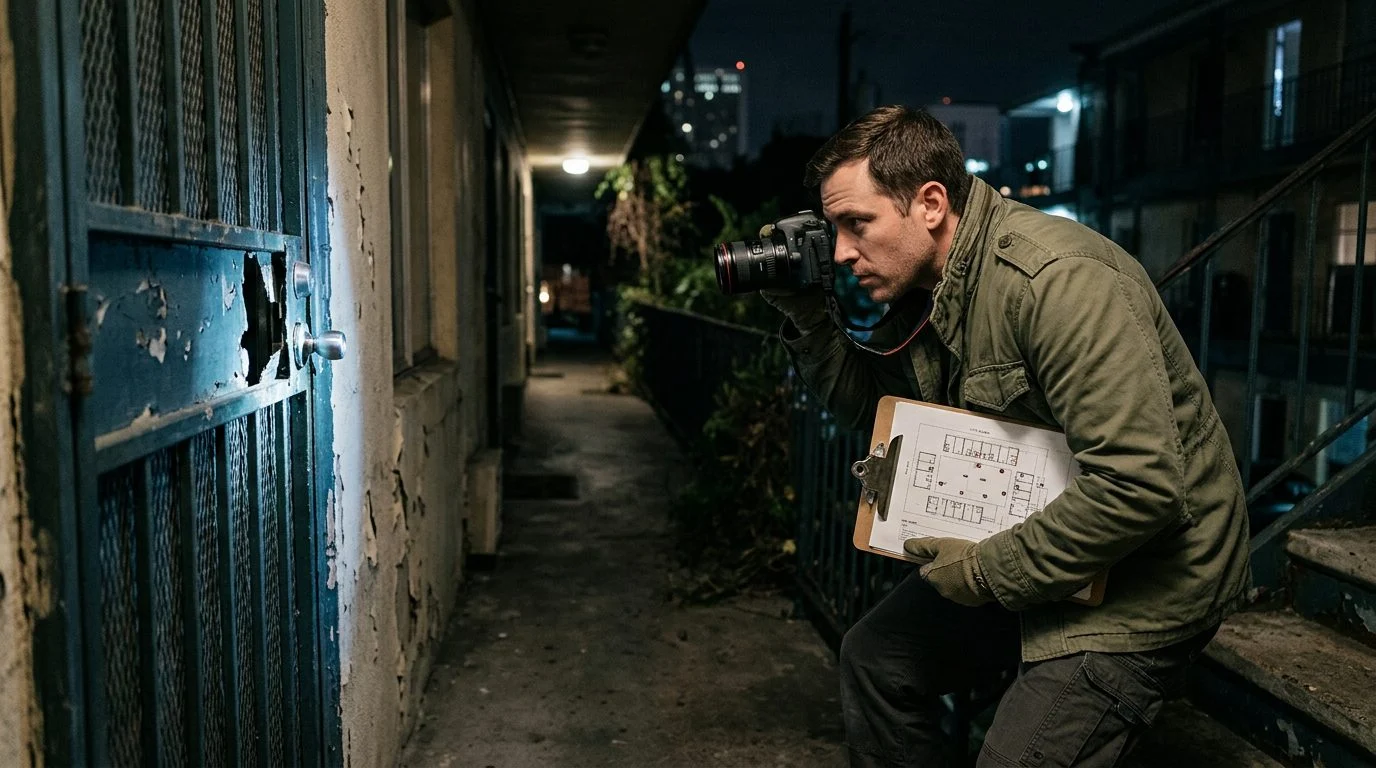
- Investigation. Review may include the scene, the property’s history and the security measures in place.
- Demand and negotiation. Where appropriate, a claim is presented to insurers or responsible parties.
- Filing suit. If a fair resolution isn’t reached, a lawsuit is filed in the proper court. Discovery, motions and trial preparation follow.
Timing matters. The wrongful death right of action prescribes one year from the death or two years from the day injury or damage is sustained, whichever is longer, but for medical malpractice actions it prescribes one year from the death of the deceased. Delictual actions arising from a crime of violence are generally subject to a two-year prescription period. Because these deadlines can run from the death or the injury, an early review helps protect the family’s options.
Not sure what your next step is?
Talk it through with our team — the first consultation is free, confidential, and carries no obligation.
Why Families Work With American Trial Lawyer
American Trial Lawyer is led on this page by trial lawyer Przemek Lubecki, and the firm’s responsible office is in New Orleans. The firm represents people seriously hurt in truck, commercial vehicle and car crashes, and families in wrongful death cases, across Orleans Parish, the New Orleans metro and Louisiana.
Matters are handled by the firm’s lawyers and support staff, who keep the family informed as the case moves forward. The firm may associate or refer a case to other law firms. If that is likely in a given matter, the family will be told.
This page makes no claims about past results, rankings or how the firm compares with other lawyers. Each family’s case is reviewed on its own facts.
Questions Families Ask About Wrongful Death Claims
Can we pursue a claim if no one was arrested?
A civil claim is separate from a criminal case. Families should ask about civil options even when no arrest has been made.
How long do we have to file?
Louisiana’s wrongful death deadline is one year from the death or two years from the injury, whichever is longer. Other rules can apply, so check the timing early.
Does the first consultation cost anything?
The first consultation is free, confidential and without obligation to continue.
Will we have to go to court?
Whether a case goes to court depends on the facts and the parties.
What should we gather first?
Gather the death certificate, the police report number, witness names, photos, and any letters from the property owner or an insurer.
Talk With the New Orleans Office About Your Family’s Situation
If a shooting took your family member’s life at a property you believe was poorly secured, you may have a claim worth reviewing. You don’t have to sort out the legal questions alone. Request a free case evaluation or call 855-LUBECKI for a free consultation with the New Orleans office. The first consultation is confidential and carries no obligation to continue.
Good to Know About Referrals
The firm may associate with or refer a case to other law firms. Any other lawyers involved are not part of American Trial Lawyer, LLC. Your first consultation is free, confidential and without obligation.
Questions Families Often Ask
Can we pursue a claim if no one was arrested?
A civil claim is separate from a criminal case. Families should ask about civil options even when no arrest has been made.
What should we do first?
Keep any police reports, medical records and funeral-related documents you have. Then contact our office so we can talk through your situation.
Who handles the case?
Przemek Lubecki is the responsible lawyer for this page. Our office is in New Orleans, and our team supports each matter from intake through resolution.
What does the first consultation involve?
We listen to what happened, answer your questions and explain possible next steps. The consultation is free, confidential and carries no obligation to continue.