
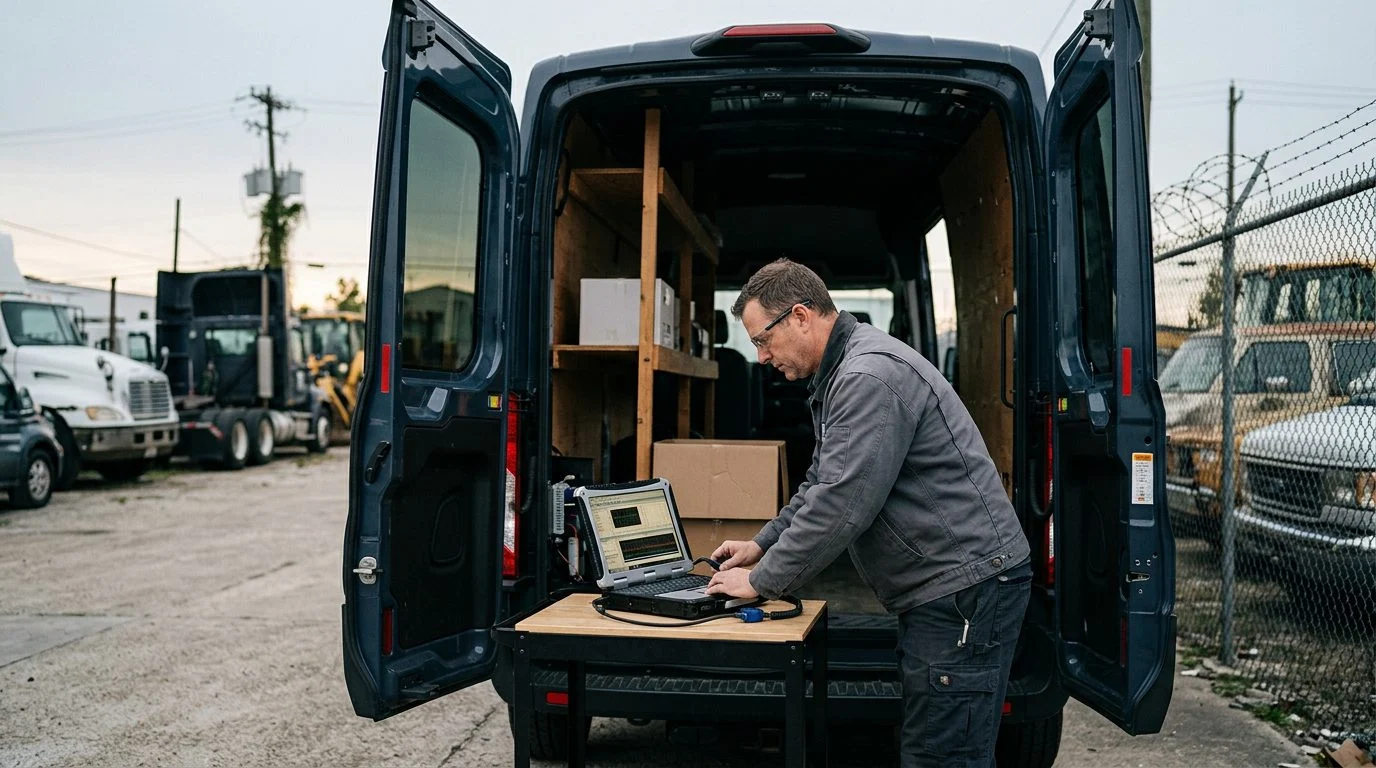
Wrongful Death · Tow & Construction Truck Crashes · New Orleans
When a Tow or Construction Truck Crash Takes a Loved One, Your Family Deserves Answers
American Trial Lawyer, led by trial lawyer Przemek Lubecki from our New Orleans office, represents families in wrongful death cases arising from tow truck, construction truck and other commercial vehicle crashes across Orleans Parish, the New Orleans metro and Louisiana.
By Przemek Lubecki · Published October 25, 2026
Wrongful death after a tow truck or construction truck crash can leave a family with hard questions. Louisiana law may let certain close relatives bring a claim. This page explains who may be responsible, who may bring the claim, and what evidence to protect early.
What a Wrongful Death Claim Is After a Truck Crash
A wrongful death claim is a civil lawsuit. Certain surviving family members can bring it when a person dies because of another party’s fault. It asks for money damages, and it is separate from any criminal case.
Many families read pages like this while still absorbing a sudden loss. You may be sorting through police reports, hospital paperwork, and funeral decisions. You don’t have to choose a lawyer today.
If someone you love died in a tow or construction truck crash, you don't have to work out the next steps alone. We can talk through what happened and what options may apply. Talk it through with our team — the first consultation is free, confidential, and carries no obligation.
Why Construction, Tow and Utility Truck Crashes Are Different
These crashes often differ from ordinary car wrecks because the truck may be working when the crash happens. Work trucks may stop on busy roads, block lanes, tow or hoist other vehicles, or operate near active job sites.
Common patterns include:
- A vehicle stopped or working on the shoulder when another vehicle strikes it.
- A load or piece of equipment that shifts or falls.
- Work zones where cones, signs, or lane closures are unclear.
- Long shifts or tight deadlines.
Commercial drivers also follow federal hours-of-service rules. A property-carrying driver may not drive without first taking 10 consecutive hours off duty. Carriers must also inspect, repair, and maintain their vehicles systematically (49 C.F.R. § 396.3).
Who Can Be Held Responsible
More than one party can be responsible. Who may be responsible turns on who employed the driver, who owned the truck, and who controlled the work. Possible parties include:
- The driver, for his or her own negligence.
- The employer, which can answer for harm its workers cause while doing their job, if it might have prevented the act and did not (La. Civ. Code art. 2320).
- The truck owner, a maintenance or repair company, a contractor on the job site, or a company that loaded or hooked up the equipment.
Louisiana courts can also look at an employer’s own choices, such as how it hired, trained, or supervised the driver.
Federal law can matter too.
When a city, parish, or utility is involved, special notice rules can apply. Civil Code art. 2317 makes us responsible for damage caused by things in our custody, and “this, however, is to be understood with the following modifications.” For claims based solely on art. 2317 against a public entity for damages caused by the condition of things in its care and custody, La. R.S. 9:2800 requires actual or constructive notice of the particular defect before the crash and a reasonable opportunity to remedy it, except as provided in subsections A and B.
Who Can Bring the Claim and What It May Cover
Louisiana law lets certain close relatives bring the claim, in a set order. A surviving spouse and children may sue, or either of them. If there is no spouse or child, the surviving father and mother may sue. Brothers and sisters come next, then grandparents (La. Civ. Code art. 2315.2). Adopted relatives count under the same article.
Louisiana also has a survival article. It keeps alive, for one year from the death or two years from the day the injury or damage is sustained, whichever is longer, the right to recover damages for injury the person suffered, in favor of the same family members, or, in the absence of any of them, the succession representative (La. Civ. Code art. 2315.1).
Fault rules matter too. Under La. Civ. Code art. 2323, a person whose own negligence is equal to or greater than fifty-one percent of the fault is not entitled to recover damages. Below that level, damages are reduced by that person’s share of fault (La. Civ. Code art. 2323).
Families often ask about funeral costs, medical bills, and lost support or household help. What a family can claim is a question to review with a lawyer.
Evidence That Often Decides These Cases
Crash evidence often shapes how a case develops. Some of it can disappear quickly, so asking for records early helps.
- Crash reports. Louisiana law keeps crash reports confidential. Parties, their attorneys, and their insurers can request them. Reports must be made available within seven working days after the crash investigation is complete (La. R.S. 32:398).
- Driver logs and dispatch records that show hours on duty.
- Maintenance and inspection files. Federal rules require these records be kept for one year, and for six months after the truck leaves the carrier’s control (49 C.F.R. § 396.3).
- Electronic truck data, GPS, and dashcam video, which can be overwritten.
- Business and traffic camera footage, which may be kept only a short time.
- Witness names and work-zone details, such as cones, signs, and lane setups.
Families should keep medical, funeral, and employment records. They should also avoid posting about the crash online.
How a Wrongful Death Case Typically Proceeds
A case usually starts with a conversation. It then moves through evidence, investigation, and talks with insurers or other parties. Some cases resolve that way. Others may need a lawsuit.
- A free, confidential consultation to review the facts, the parties, and the dates.
- Early requests to preserve vehicle data, driver logs, and maintenance files.
- Investigation of the crash, the truck’s operation, and each possible responsible party.
- Identifying who may bring the claim and which losses the facts support.
- Negotiation with insurers or other parties and, if needed, filing suit in the proper court.
Deadlines are the main reason not to wait. The wrongful death article sets the period at one year from the death or two years from the injury, whichever is longer (La. Civ. Code art. 2315.2). How long a case takes depends on the facts and the parties involved. It can run for months or longer.
Not sure what your next step is?
Talk it through with our team — the first consultation is free, confidential, and carries no obligation.
Why Families Work With American Trial Lawyer
Przemek Lubecki is the responsible lawyer for this page. He is a trial lawyer, and the firm is led by him. The firm’s office is in New Orleans. It represents families in Orleans Parish, across the New Orleans metro, and throughout Louisiana.
Trial is part of how the firm approaches a serious case. The firm may associate or refer a case to other law firms. If that happens, we’ll explain the arrangement to you.
Przemek Lubecki is licensed to practice law in Louisiana.
Frequently Asked Questions
Who can file a wrongful death lawsuit after a tow truck or construction truck crash?
Certain close relatives can, in a set order. A spouse or children come first, then parents, brothers and sisters, and grandparents.
Can more than one company be responsible for a construction or tow truck crash?
Yes. Responsibility can reach the driver, the employer, the truck owner, and other companies that controlled the truck or the work.
What if a city, parish, or utility owned the truck?
Special notice rules can apply when a public entity is involved. Those rules can affect what must be shown and when.
How long do we have to file?
The wrongful death article gives one year from the death or two years from the injury, whichever is longer. Don’t wait to ask about your dates.
What damages can a family seek?
Families often look at funeral costs, medical bills, and lost support. The survival article may also keep alive the injured person’s own claim.
Do we have to pay for the first consultation?
No. The first consultation is free, confidential, and without obligation.
Will you tell me how much the case is worth?
No amount can be promised or predicted before the facts are reviewed.
Could my case go to another law firm?
Yes, the firm may associate or refer a case to other law firms. We’ll explain any such arrangement to you.
Talk With Przemek Lubecki About Your Family’s Situation
If you’re trying to understand a crash that took someone you love, you don’t need every answer yet. The crash records, the truck company, and the deadlines may all be moving at once. Przemek Lubecki can review those details with you before evidence is lost. Request a free case evaluation or call 855-LUBECKI for a free consultation at our New Orleans office. The consultation is confidential and carries no obligation to continue.
How We Approach These Cases
Compassion for grieving families
Losing someone in a crash is devastating. We listen first and give families room to ask questions at their own pace.
Careful investigation
Crash reports, driver logs, maintenance records, load and job-site information, and photographs can all matter. We work to gather and preserve what is needed.
Trial-ready preparation
Cases involving large trucks and commercial companies are often complex. We prepare each case as though it may go to trial.
Clear communication
We explain the process in plain language, so you know what to expect and what decisions are yours to make.
Act Sooner Rather Than Later
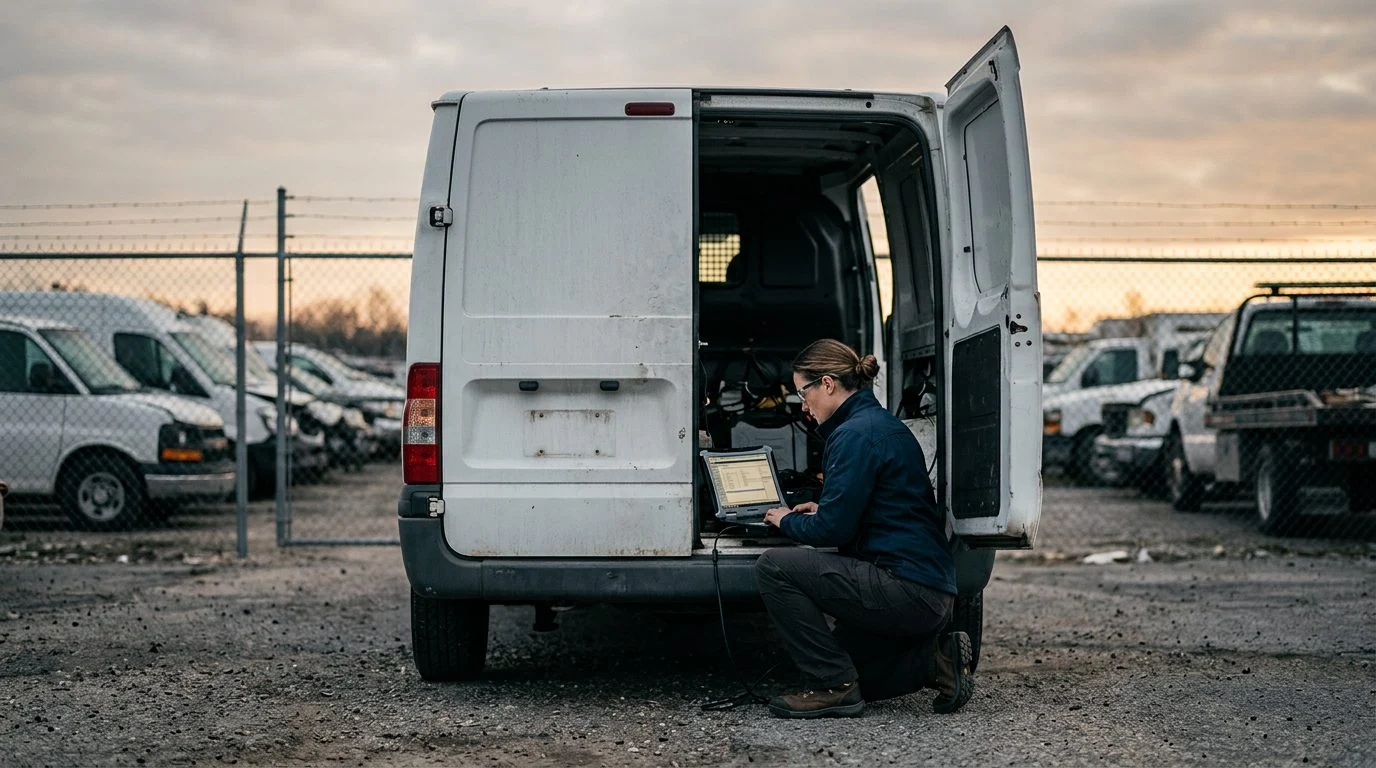
Evidence from a tow truck or construction site crash can change quickly. Vehicles are repaired or moved, electronic data is overwritten, and witnesses are harder to reach over time. Speaking with a lawyer early helps protect what may matter most.
Crashes We Handle Involving Tow and Construction Trucks
Tow truck crashes
Crashes involving wreckers, rollback and heavy-duty tow trucks, including crashes on the roadway, at the scene of a stalled or disabled vehicle, or during a tow operation.
Construction truck crashes
Crashes involving dump trucks, concrete mixers, flatbeds and other construction vehicles, on highways, city streets or near work zones.
Commercial vehicle crashes
Crashes involving commercial trucks and vehicles operated for a business, where the vehicle, its load or its operator may raise questions about how the crash happened.
Wrongful death claims
When a crash causes a death, families may have questions about who can bring a claim and what steps come next. We can explain your options and answer those questions in a free, confidential consultation.
Talk With Our New Orleans Office About Your Family's Situation
Related practice areas
- How to File a Wrongful Death Lawsuit in Orleans Parish: A Family’s Step-by-Step Guide
- Wrongful Death in Orleans Parish