
Wrongful Death | New Orleans, Louisiana
When a Hit-and-Run Takes a Loved One, You Don't Have to Search for Answers Alone
Przemek Lubecki and the American Trial Lawyer team, with our New Orleans office, represent families in wrongful death cases caused by hit-and-run drivers across Orleans Parish, the New Orleans metro and Louisiana.
By Przemek Lubecki · Published November 1, 2026
Wrongful Death After a Hit-and-Run in New Orleans
If a driver who hit your loved one drove away, you may have questions about your family's rights, and you don't have to sort them out alone. Our team can talk them through with you. Talk it through with our team — the first consultation is free, confidential, and carries no obligation.
Can my family sue if a hit and run driver killed my loved one in New Orleans?
Yes, Louisiana law can allow certain family members to bring a wrongful death claim when another person’s fault causes a death. An unidentified driver does not, by that fact alone, end that option. The hit-and-run part changes where recovery is most often sought, not whether a family can pursue a claim. Every case depends on its own facts.
Losing someone in a crash is hard. Many families are learning these details while also dealing with police contact and funeral plans. This page explains the basic rules in plain language so you can see your options more clearly.
Under La. Civ. Code art. 2315.2, suit may be brought when a person dies due to the fault of another. The law then lists which family members may sue.
Who can bring a wrongful death claim in Louisiana?
Louisiana law sets out which family members may bring a wrongful death claim, and the list includes the surviving father and mother when the decedent left no spouse or child. Under La. Civ. Code art. 2315.2, the order works like this, with the surviving father and mother, or either of them, next in line if there is no spouse or child:
- Spouse and children. The surviving spouse and child or children may sue. Either one may sue.
- Siblings. If there is no spouse, child, or parent, the surviving brothers and sisters, or any of them, may sue.
- Grandparents. If none of those survive, the surviving grandfathers and grandmothers may sue.
Adoptive relatives count under the same article.
The deceased person’s succession representative can also play a role. Under La. Civ. Code art. 2315.1, that representative may pursue damages for injury to the deceased when no listed class of family member survives.
Who qualifies depends on the family situation. It’s worth checking those details early.
What can a family recover after a fatal crash?
A family can seek the damages Louisiana law allows. The law separates the survivors’ losses from the injured person’s own losses. Under La. Civ. Code art. 2315, damages may include loss of consortium, service, and society. La. Civ. Code art. 2315 reads: “Damages do not include costs for future medical treatment, services, surveillance, or procedures of any kind unless such treatment, services, surveillance, or procedures are directly related to a manifest physical or mental injury or disease.” Families who lose a loved one often grieve the loss of that person’s companionship and support. The same people who could bring a wrongful death claim may recover them.
Here is the difference in plain terms:
- Wrongful death claim. This covers the survivors’ own losses from the death.
- Survival action. This carries the damages for injury the person suffered before dying.
Medical bills work differently than many people expect. Under La. R.S. 9:2800.27, when a health insurance issuer or Medicare paid a contracted provider, recovery of medical expenses is limited to the amount actually paid, plus the claimant’s cost-sharing amounts. It is not the amount billed.
Which categories apply depends on the facts and the law in each case.
What can a family do when the driver is not found?
Uninsured motorist (UM) coverage in an insurance policy may be one route when the at-fault driver is never identified. Under La. R.S. 22:1295, UM coverage protects insured persons who are legally entitled to recover nonpunitive damages from owners or operators of uninsured or underinsured vehicles, unless an insured named in the policy rejects coverage, selects lower limits, or selects economic-only coverage. That includes death resulting from bodily injury.
Hit-and-run cases have a specific rule. The same statute allows UM coverage for a crash with no physical contact between the vehicles. But the injured party must prove, through an independent and disinterested witness, that the injury came from the other driver’s actions. Witness names matter from the start.
Check every policy the decedent or the household held. Policies differ, so the declarations pages for each one are important. Other parties whose conduct contributed to the crash may also be considered, depending on the facts, La. Civ. Code art. 2320.
Why do deadlines matter so much?
Time limits, called prescription in Louisiana, can end a claim. Families should not wait to ask about them. Under La. Civ. Code art. 2315.2, the wrongful death right of action prescribes one year from the death or two years from the day the injury was sustained, whichever is longer, except that the right of action for medical malpractice actions prescribes one year from the death of the deceased.
A UM claim has its own clock. La. R.S. 9:5629 says actions under UM provisions prescribe two years from the accident date. Other fault-based claims generally run two years from the injury, under La. Civ. Code art. 3493.1.
A common mistake is waiting until the driver is found before asking about deadlines or insurance. Because these rules are separate, a family should confirm the timing for each possible claim early.
Not sure what your next step is?
Talk it through with our team — the first consultation is free, confidential, and carries no obligation.
What evidence should a family preserve early?
The crash report is usually the first record to get. Under La. R.S. 32:398, crash reports are confidential. Under La. R.S. 32:398(I), crash reports are confidential and may be released to listed persons, including the parties to the crash, their insurers, and the attorneys of the parties or succession representatives. On request, they are made available within seven working days after the crash investigation is complete.
Gather these items as soon as you can:
- The report or incident number from the investigating police agency
- Photos or video of the scene, vehicles, and debris, if anyone took them
- Names and phone numbers of witnesses, including anyone who saw the vehicle
- Requests to nearby businesses for camera footage, since recordings may be kept only for a limited time
- Emergency room, medical, funeral, and burial records and invoices
- Insurance declarations pages for the decedent’s policies and any household policy
Keep a simple log of calls and letters from insurers. Before giving a recorded statement or signing a release, pause and review it carefully.
How does working with American Trial Lawyer begin?
The first step is a free, confidential initial consultation. It carries no obligation to continue. You can explain what happened, ask questions, and learn what the next steps could look like in your situation.
Bring what you have. That may include the crash report number, a death certificate if one has been issued, insurance declarations pages, witness names, and a short timeline in your own words. Missing items are fine to discuss at the first meeting.
Przemek Lubecki is the responsible lawyer for this page. The office is in New Orleans. American Trial Lawyer may associate or refer a case to other law firms where that applies.
Frequently asked questions
Can we still file if the driver was never found?
Possibly. Options can include uninsured motorist coverage, which has a witness requirement for crashes with no physical contact.
How long do we have?
For a wrongful death claim, the period is one year from death or two years from injury, whichever is longer. UM claims have a separate two-year rule, so confirm timing early.
On request, the crash report is made available to the listed persons, such as the parties and their attorneys, within seven working days after the investigation is complete.
Does a free consultation commit us to hiring the firm?
No. The first consultation is free, confidential, and carries no obligation to continue.
Does this apply if our loved one was a passenger or pedestrian?
The same family list applies, but the facts of the crash shape the claim.
Talk with a New Orleans trial lawyer about your family’s options
If you are reading this while grieving, dealing with police, or still deciding what to do, you do not have to face it alone. Request a free case evaluation or call 855-LUBECKI for a free consultation.
How We Approach a Hit-and-Run Wrongful Death Case
Confidential first conversation
Our initial consultation is free, confidential and without obligation. We listen to what happened and answer your questions about the process.
Careful review of the crash
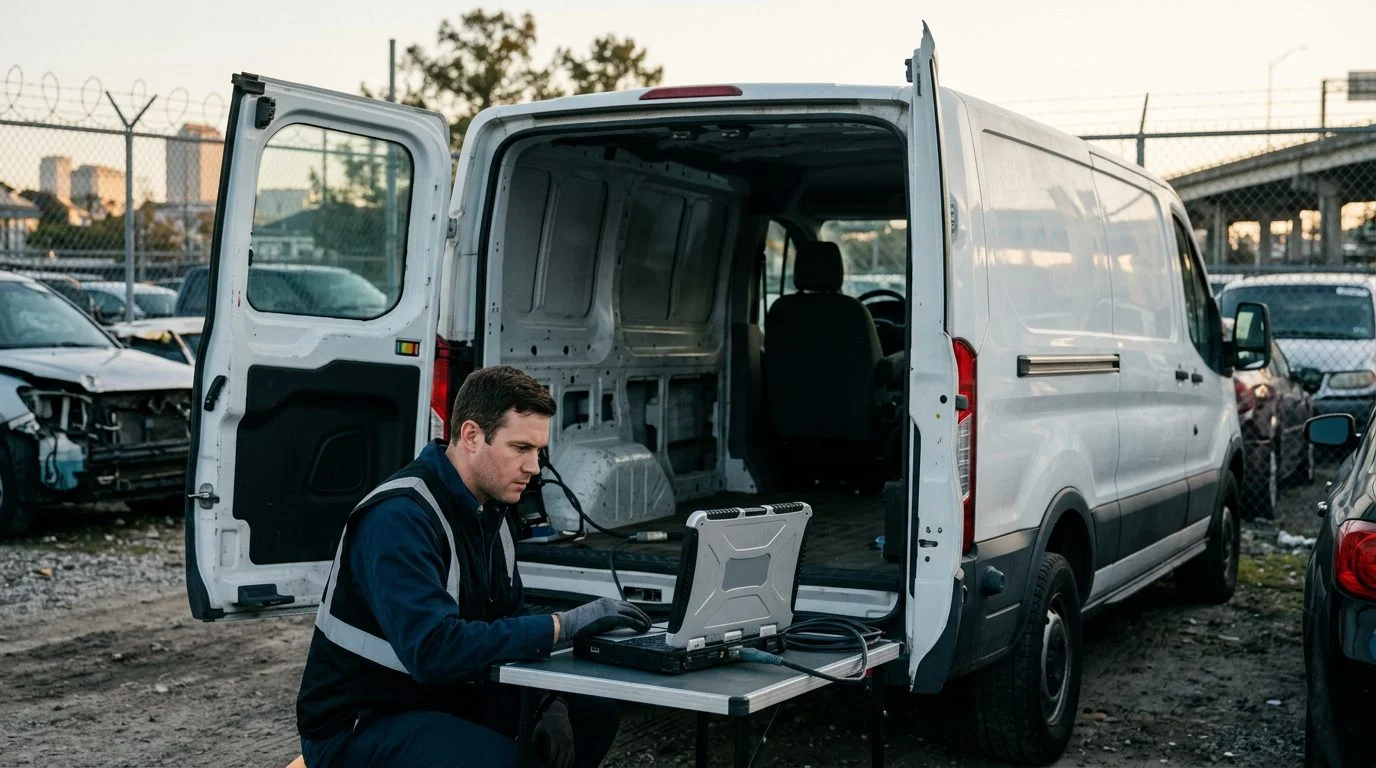
We work to gather police reports, crash details, and any available video or witness information that may help explain how the collision occurred.
Looking at every source of coverage
When the at-fault driver cannot be found, we review other possible sources of recovery, including uninsured motorist coverage, and explain what each may require.
Clear communication with your family
Losing someone in a crash is painful. We keep families informed in plain language at every stage and make time to answer their questions.
Act Promptly to Protect the Evidence
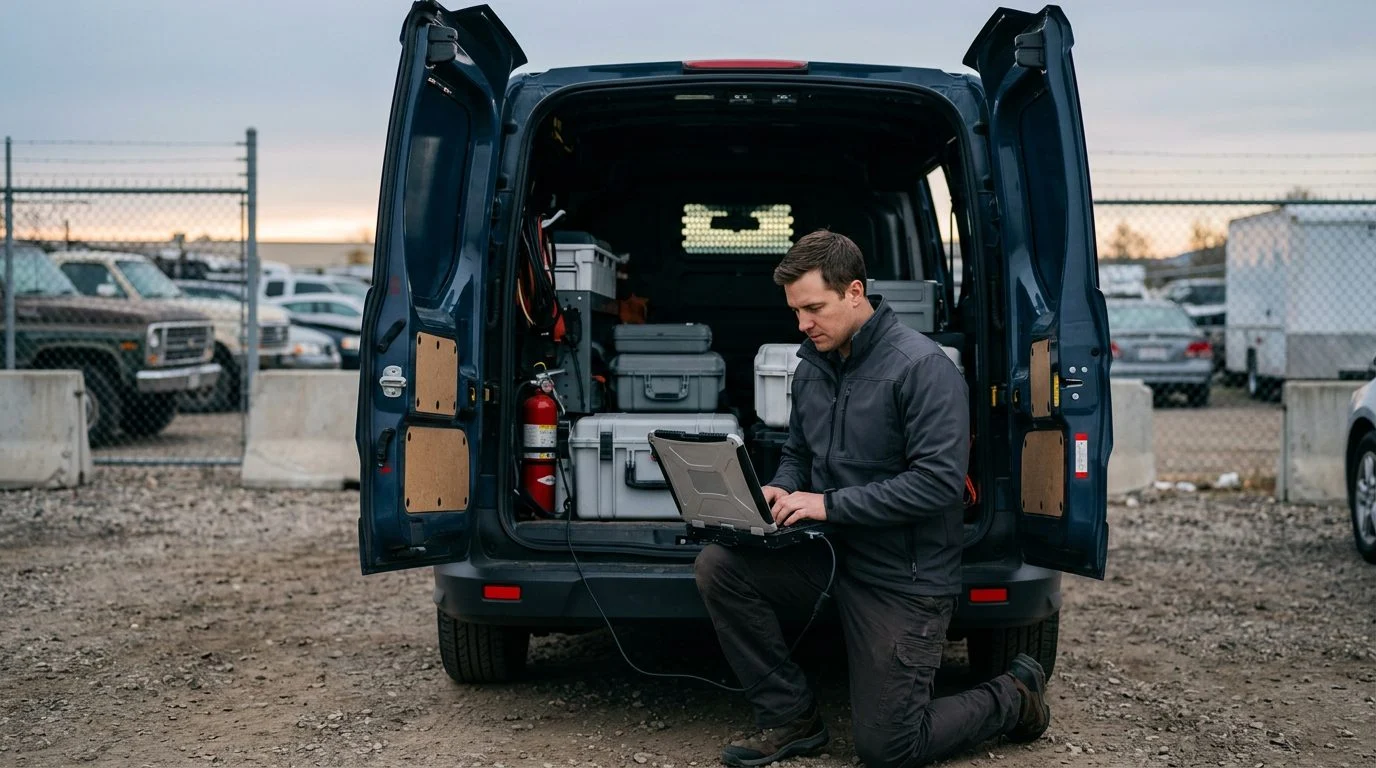
Crash scenes, vehicle damage, surveillance footage and witness memories can change quickly. If you have any information about the collision, sharing it early can help preserve it. Please call us so we can discuss your situation.
Questions Families Often Ask
What if the driver was never identified?
A driver who leaves the scene can make a case harder to pursue, but it does not always end the possibility of recovery. Options may include uninsured motorist coverage, which can have specific requirements. We can review your situation during a free consultation.
Who can bring a wrongful death claim?
Louisiana law determines who may bring a wrongful death claim and what it may cover. Because these rules depend on the facts of each family's situation, we encourage you to speak with us directly.
Will the firm handle my case itself?
Przemek Lubecki is responsible for the content of this page. The firm may associate or refer a case to other law firms. If that happens, we will tell you before any arrangement is made.
What does the first consultation involve?
You can share the facts, ask questions and learn about your options. The first consultation is free, confidential and without obligation to continue.