
Wrongful Death | New Orleans, Louisiana
Losing Someone to a Crash Is Hard. Preparing for Your Consultation Can Be Simpler.
Przemek Lubecki, a trial lawyer with American Trial Lawyer, LLC, works with families in wrongful death cases from our New Orleans office. Here is what to bring, and what you can leave for later.
By Przemek Lubecki · Published October 26, 2026
Here is what to bring to a wrongful death consultation: the death certificate, any crash report number, medical and bill records, photos, witness names, insurance letters, and basic facts about your loved one. You do not need every item to call.
Many families sit down with a lawyer while still in shock. This guide explains what to gather, why each item matters, and what to ask. It is general information, not advice about your specific case. For a broader overview, read our wrongful death guide.
Why Preparing for the First Meeting Helps
Preparing ahead lets the first meeting focus on your questions instead of a search for papers. Knowing what to bring to a wrongful death consultation makes the conversation calmer for everyone.
Grief makes details hard to hold onto. Write down the date, time, and place of the crash, the names of anyone involved, and the order of events as you remember them.
A rough pile of papers is still useful. Do not worry about sorting everything first. Bring a notebook too, so you can write down names, dates, and any next steps the office gives you.
The first consultation with American Trial Lawyer is free, confidential, and without obligation to continue. You can ask questions and decide what comes next after the meeting.
Tell the office what is missing. The team can help you work out what to request next.
Not sure what your next step is?
Talk it through with our team — the first consultation is free, confidential, and carries no obligation.
Official Records: Death Certificate and Crash Report
Start with the death certificate and any crash report number you have. Together, these confirm the basic facts of the death and the crash.
Bring a copy of the death certificate and keep the original somewhere safe. Many offices ask for it early, so having it ready saves time.
Louisiana law keeps crash reports confidential. Under La. R.S. 32:398, they are available only to certain people, including the parties to the crash, their insurers, and the attorneys for the parties or succession representatives.
Upon request, reports are made available to the persons listed above within seven working days following the completion of the crash investigation.
Write down the investigating agency, the date, and the location of the crash. Those details help locate the report.
Also bring citations, incident numbers, and tow or impound receipts from the scene. Under the same statute, copies of crash reports are available from the investigating agency, subject to capped fees. They may charge a reasonable fee for them.
Medical, Hospital, and Bill Records
Bring hospital and emergency room records from the crash. Include any transfer or discharge notes if your loved one lived for a time after the crash. Delayed post-traumatic symptoms after a motor vehicle collision can appear or worsen weeks later, so keep every record, even from later visits.
Ambulance and EMS run reports show the timeline from the scene to the hospital. Bring them if you have them.
Keep every bill, including medical bills, funeral and burial receipts, and itemized statements. Even bills that seem small help complete the picture.
Health insurance cards, explanation-of-benefits statements, and letters from health plans show who paid what.
Louisiana also limits how medical costs are counted when health insurance has paid. Under La. R.S. 9:2800.27, recovery in those cases is limited to the amount actually paid to a contracted provider, plus cost-sharing amounts, not the amount billed.
List the names and addresses of each treating hospital and doctor. With the family’s permission, those records can be requested.
Photos, Witness Names, and Scene Evidence
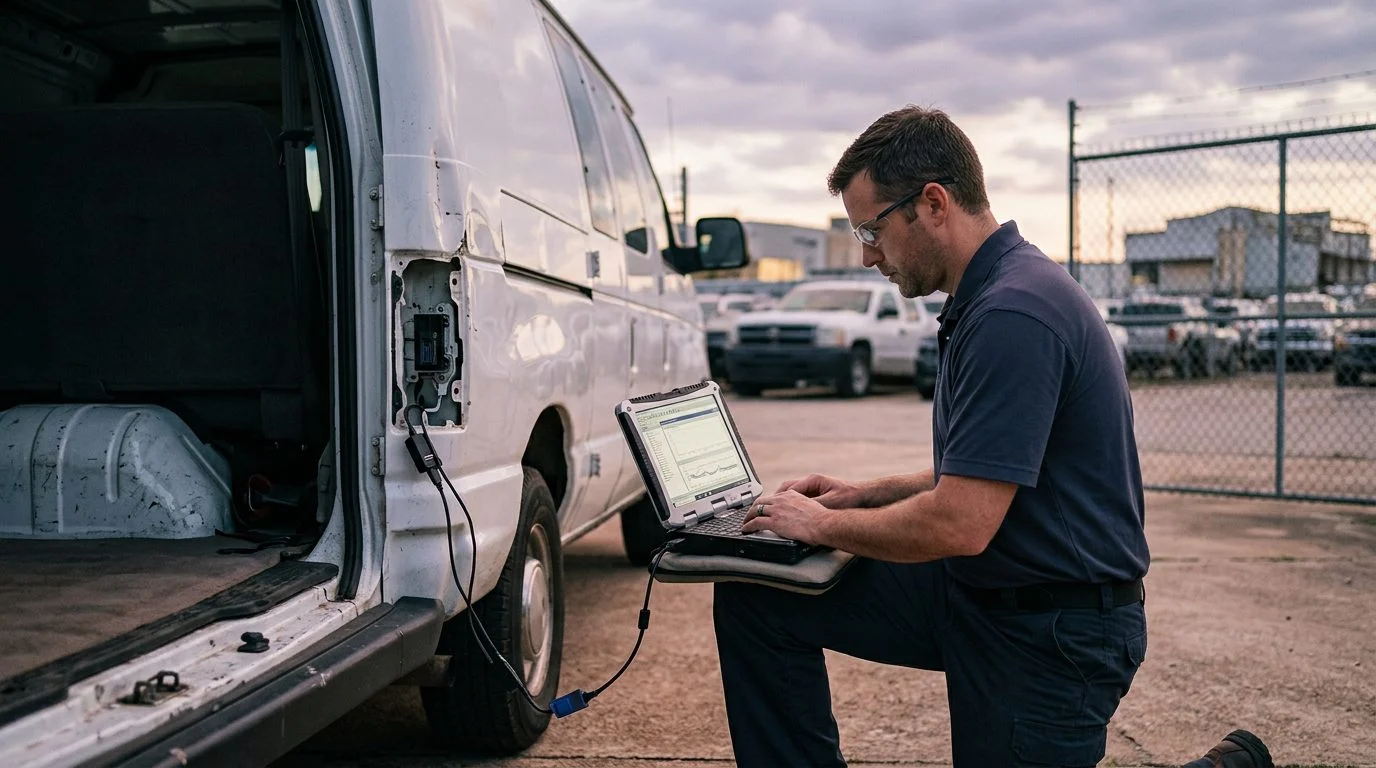
Bring any photos or video of the vehicles, the road, traffic signs, and visible damage. Early photos can show debris, skid marks, and lighting that may change later. Evidence preservation guidance explains why crash records and evidence should be kept intact.
Write down names, phone numbers, and email addresses of anyone who saw the crash or arrived soon after. Witnesses are harder to reach as time passes.
Gather insurance information for the other driver, the vehicle owner, or a commercial carrier. Include claim numbers and adjuster names.
Keep letters, texts, and emails from insurers or companies in the order you received them. Before you sign any document, ask the lawyer to review it.
If your loved one gave a written or recorded statement before dying, tell the lawyer.
Family Information and Questions to Ask
Louisiana law decides who may bring a wrongful death suit, and it follows a set order. The surviving spouse and children may sue, or either of them. If there is no spouse or child, the surviving father and mother may sue. Siblings may sue only if there is no spouse, child, or parent. Grandparents may sue only if there is no spouse, child, parent, or sibling. The rule is in La. Civ. Code art. 2315.2.
Bring your loved one’s full legal name, date of birth, job, and typical work schedule. Pay records or tax returns from the year before the crash help show lost income, if you have them.
Timing matters. Under the same article, the right to sue prescribes one year from the death or two years from the day the injury was sustained, whichever is longer; for medical malpractice actions, it prescribes one year from the death. The longer of those two periods applies.
Negligence is the core question. Under La. Civ. Code art. 2316, a person is responsible for damage caused not only by an act, but by negligence, imprudence, or want of skill.
Louisiana also applies a fault rule. Under La. Civ. Code art. 2323, if a person suffers injury, death, or loss partly as the result of his own negligence, and the degree or percentage of that negligence is equal to or greater than fifty-one percent, that person is not entitled to recover damages. A smaller share of fault reduces damages in proportion.
Write your questions down. Ask how the office would evaluate a case, who would work on it, how you would get updates, and what the next steps are.
Next Steps and Contacting the New Orleans Office
The next step is a free, confidential first consultation at the firm’s New Orleans office. Przemek Lubecki is the responsible lawyer for this page. The firm represents people in Orleans Parish, the New Orleans metro, and across Louisiana.
At that meeting, bring what you have, ask your questions, and decide what to do next. The consultation carries no obligation to continue.
This firm may associate or refer a case to other law firms. If that is likely in your family’s matter, the firm will tell you before you decide.
If a crash took your loved one and you are still weighing whether to call, you do not have to decide alone. Call 855-LUBECKI (Office in New Orleans) or request a free case evaluation.
Frequently asked questions
What should I bring to a wrongful death consultation?
Bring the death certificate, any crash report number, medical and bill records, photos, witness names, and insurance letters. You do not need every item to call.
Who can bring a wrongful death suit in Louisiana?
Louisiana law gives the right first to the surviving spouse and children, then to parents, siblings, and grandparents, in that order.
Is the first consultation free?
Yes. The first consultation with American Trial Lawyer is free, confidential, and without obligation to continue.
Documents That Can Help at Your Consultation
Death certificate
A copy of the death certificate, if you have one, helps us confirm basic details about the person who died.
Crash report number
If law enforcement responded, the report number or the agency name is useful even if you do not have the report itself.
Medical and bill records
Hospital, emergency, and treatment records, along with bills and receipts, show what happened and what the family has paid.
Photos and video
Pictures of the scene, the vehicles, injuries, or property damage can be helpful, including photos taken on a phone.
Witness names and contact details
Names and phone numbers of anyone who saw the crash or the incident, even if you are not sure what they saw.
Insurance letters and claim numbers
Letters from insurance companies, claim numbers, and adjuster contact information help us understand where things stand.
What to Know Before You Call
You do not need every item
Bring what you have. Missing paperwork is not a reason to delay your call. We can help you figure out what to gather next.
Your conversation is confidential
Your first consultation with Przemek Lubecki and our team is confidential and comes with no obligation to continue.
Write down your questions
Note what you want to know about the crash, the process, and what the family can expect. Your questions matter, and no question is too small.
Take your time
Bring a family member or friend if it helps. You can share as much or as little detail as you feel ready to share.
Please Keep the Original Records
Bring copies, not originals, whenever possible, and keep the originals in a safe place. If you have posted about the crash or the person who died on social media, please talk with us before you post anything more about the case.
How the Consultation Works
1. Reach out
Call 855-LUBECKI or request a free case evaluation online. Our New Orleans office will get back to you.
2. Talk with us
Share the basic facts of what happened and the documents you have on hand. Ask us anything on your mind.
3. Decide your next step
There is no obligation to continue. If we can help, we will explain how we would work with you. If we cannot, we will tell you so.