
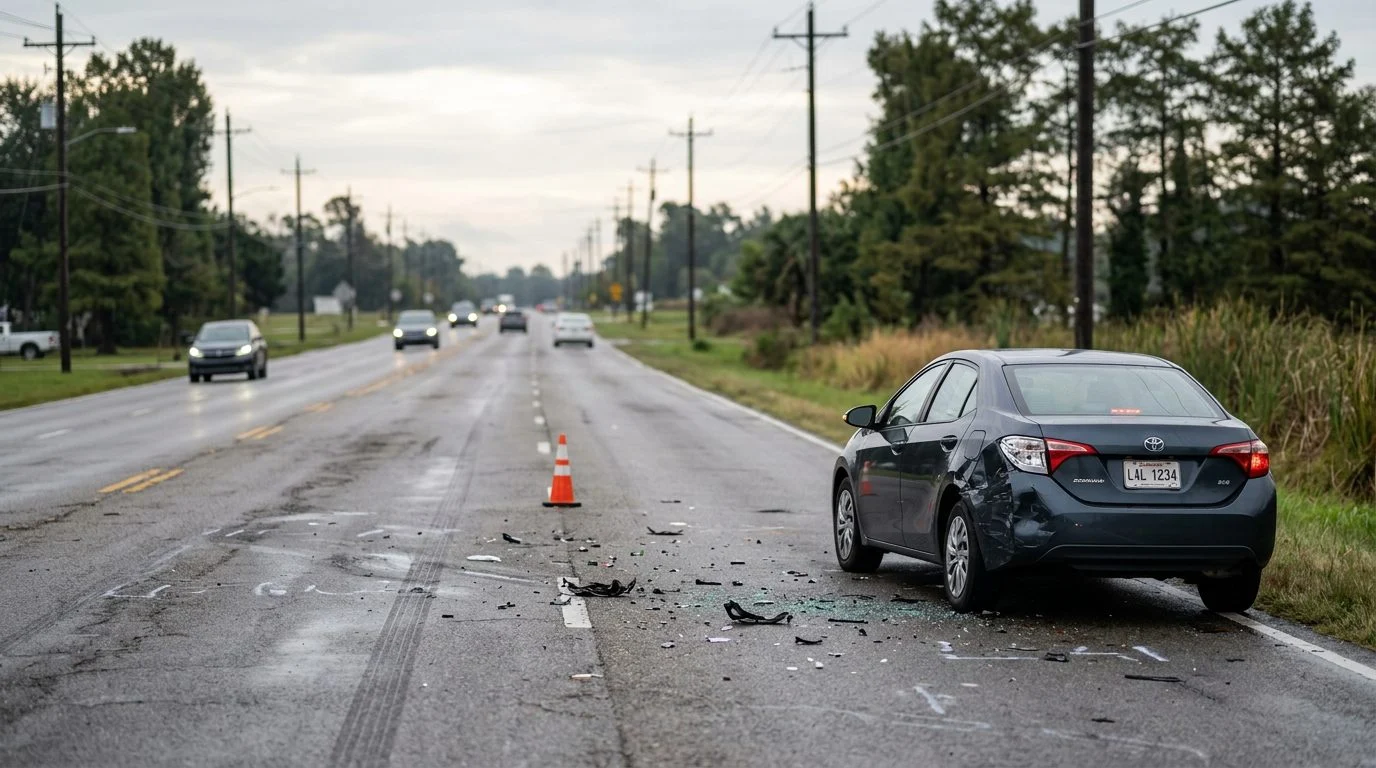
Hit-and-Run Crashes | New Orleans, Louisiana
Hurt in a Hit-and-Run? Learn What a Lawsuit May Cover
When the driver who hit you leaves the scene, the questions pile up fast. Przemek Lubecki, a New Orleans trial lawyer, helps people hurt in hit-and-run crashes understand their options, from the losses involved to how the facts of the crash shape a claim.
By Przemek Lubecki · Published October 30, 2026
If a driver hit you and drove away, you may be asking how much you can sue someone for a hit-and-run. In Louisiana, there is no set amount. A claim is built from the losses an injured person or family can show, and every crash is different. This page explains how Louisiana law frames those losses, how an unknown driver changes the picture, and which deadlines matter most. It covers Louisiana claims only. Our New Orleans office serves people in Orleans Parish, the New Orleans metro, and across Louisiana.
The short answer: the amount depends on the facts
So how much can I sue someone for a hit-and-run? A hit-and-run claim has no fixed price. The amount depends on the facts of your crash, your injuries, and the proof behind each loss.
Louisiana starts with a general rule. Under La. Civ. Code art. 2315, every act that causes damage to another obliges the person whose fault caused it to repair that damage.
Four factors often matter most:
- How serious the injuries are, and how long treatment lasts.
- Time missed from work and any lost earning ability.
- Costs you can document, such as bills and receipts.
- Whether the crash caused a death, which changes who may sue.
Louisiana also leaves wide room for judgment. La. Civ. Code art. 2324.1 says that in the assessment of damages in cases of offenses, quasi offenses, and quasi contracts, much discretion must be left to the judge or jury. No formula sets the number in advance.
If someone you love was hurt or killed by a driver who drove away, you don't have to face the next steps alone. Request a free, confidential consultation. Talk it through with our team — the first consultation is free, confidential, and carries no obligation.

Should I sue after a hit-and-run?
Civil claims and criminal cases are separate matters, and whether a civil claim is possible depends on the facts of each situation. A civil claim seeks money for harm. It is separate from any criminal case.
Usually, the claim is against the at-fault driver once that driver is identified. When the driver who caused the crash is never identified, your own insurance might still provide coverage; the details follow below.
Whether to sue is a personal decision. It turns on your injuries, your losses, and the proof you have.
Waiting can cost you. Witnesses move, video gets erased, and memories fade. Early steps help protect your options.
What damages can be recovered in a Louisiana hit-and-run claim
Louisiana damages fall into two groups: economic losses you can document, and non-economic losses such as pain and suffering. Louisiana’s uninsured motorist law defines non-economic loss as any loss other than economic loss. It includes but is not limited to pain, suffering, inconvenience, mental anguish, and other noneconomic damages otherwise recoverable under the laws of this state. La. R.S. 22:1295.
- Economic losses: medical bills, lost wages, lost earning capacity, and damage to your vehicle.
- Non-economic losses: any loss other than economic loss, which includes but is not limited to pain, suffering, inconvenience, mental anguish, and other noneconomic damages.
Two rules limit some amounts. La. Civ. Code art. 2315.
Keep bills, pay stubs, repair estimates, and a simple daily note of what the injury stops you from doing. Those records help show the full loss.
Wrongful death after a hit-and-run
When a hit-and-run causes a death, certain surviving family members may bring a wrongful death claim. La. Civ. Code art. 2315.2.
The law sets an order. A surviving spouse and children, or either the spouse or the children alone, come first. If there is none, the surviving parents may sue. If neither survives, siblings may, and then grandparents.
Those are losses of companionship and relationship, not only bills.
If the injured person died later, a survival action may apply. La. Civ. Code art. 2315.1.
Grief makes this harder. Records, bills, and a loved one’s affairs can pile up at the worst time. You don’t need every document to start a conversation.
When the driver was impaired or the crash involved aggravating conduct
If the driver was intoxicated, Louisiana law may allow exemplary damages in addition to general and special damages. La. Civ. Code art. 2315.4. These may be awarded upon proof of wanton or reckless disregard for others’ safety. Intoxication while operating the vehicle must also be a cause in fact of the injuries.
Proof is the heart of this issue. Evidence about the driver’s condition and conduct can be harder to gather when the driver leaves the scene.
Note where the crash happened, the time, and any nearby businesses that might have cameras. Write it down while it’s fresh. Witness statements and the crash report can matter too.
A criminal case is separate from a civil claim for money. If police charge the driver, that case follows its own path.
When the driver is never found: uninsured motorist coverage
If the at-fault driver cannot be found, your own uninsured motorist coverage may be a source of recovery. That coverage protects insured people who are legally entitled to recover nonpunitive damages from owners or operators of uninsured or underinsured vehicles. La. R.S. 22:1295.
Check the type of coverage you bought. An insured may choose economic-only coverage, which excludes noneconomic loss such as pain and suffering. A policy may also exclude punitive or exemplary damages.
Uninsured motorist claims also have their own clock. La. R.S. 9:5629.
Gather your policy declarations page, the police report number, photos, and treatment records. Under La. R.S. 32:398, crash reports are confidential. Upon request, crash reports must be made available within seven working days following completion of the crash investigation, and only to the parties to the crash, parents or guardians of a minor who is a party, insurers or insurance support organizations under contract to provide claims and underwriting for a party who is the subject of the report, healthcare providers that rendered services to a party who is the subject of the report, succession representatives or attorneys of the parties, and news-gathering organizations requesting documents related to a specific crash.
Not sure what your next step is?
Talk it through with our team — the first consultation is free, confidential, and carries no obligation.
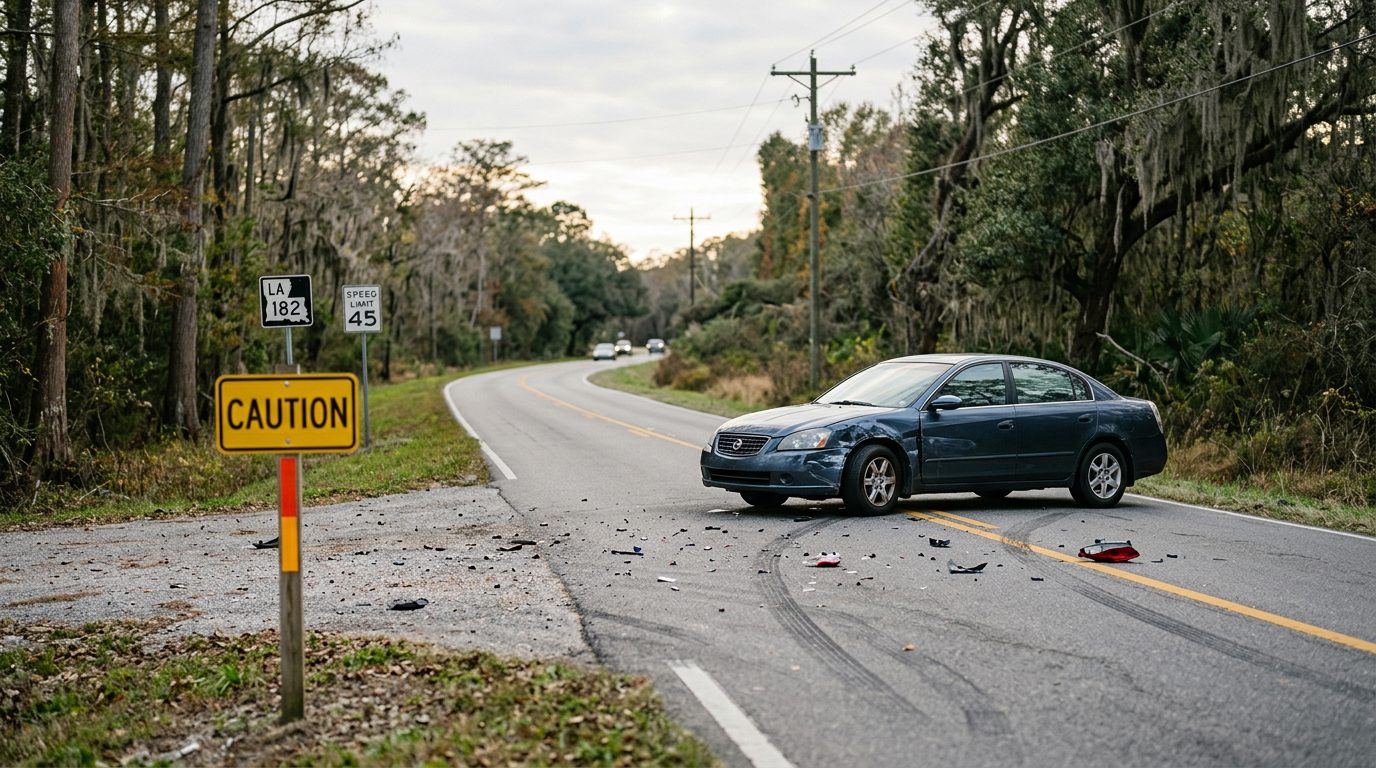
Filing deadlines and next steps
Most negligence claims, called delictual actions, have a two-year deadline under La. Civ. Code art. 3493.1. That deadline, called prescription, starts on the day the injury or damage happens.
Wrongful death claims follow their own rule. They run one year from death or two years from the injury, whichever is longer, under La. Civ. Code art. 2315.2. Wrongful death claims under La. Civ. Code art. 2315.2 prescribe one year from the death of the deceased or two years from the day that injury or damage is sustained, whichever is longer.
Because the dates differ by claim, bring the exact crash date and any date of death to your first conversation. Waiting can also make proof harder to gather.
How much can I sue someone for a hit-and-run in Louisiana?
There is no set figure. The amount is built from proven losses, and the facts of your crash shape it.
Can I sue for a hit-and-run if the driver is never found?
Possibly. Your own uninsured motorist coverage may apply, depending on the coverage in your policy.
How long do I have to file?
Most negligence claims have a two-year deadline from the injury (La. Civ. Code art. 3493.1).
Can my family sue if someone dies in a hit-and-run?
Certain surviving family members may, in this order: spouse and children, then parents, then siblings, then grandparents.
The firm may associate or refer a case to other law firms.
If you’re looking into this for someone you love, or you’re still dealing with bills and insurance calls, you don’t have to sort it out alone. Przemek Lubecki is the responsible lawyer for this page, and our office is in New Orleans. Phone 855-LUBECKI to ask for a free evaluation of your case. The first consultation is free, confidential, and comes with no obligation to continue.
What Shapes a Hit-and-Run Claim
The facts of the crash matter
Details like where the crash happened, what evidence exists and how your injuries developed all help shape the case.
Uninsured motorist coverage may apply
If the driver is never identified, your own policy's uninsured motorist coverage may apply, depending on the terms of your policy. We can review it with you.
Serious injuries deserve a full picture
Some injuries take months to understand. We look at the long-term effects on your health, work and family.
Act Carefully After a Crash
If you can, get medical care, report the crash to the police and write down what you remember while it is fresh. Some cases may be associated with or referred to other law firms. If that is the case for yours, we will tell you before anything changes.
Questions People Ask About Hit-and-Run Lawsuits
How much can I sue for?
There is no set figure. The amount is built from proven losses, and the facts of your crash shape it.
Can I sue if the driver is never found?
Possibly. Your own uninsured motorist coverage may apply, depending on the coverage in your policy.
What if I was a passenger or a pedestrian?
Hit-and-run crashes affect drivers, passengers, cyclists and pedestrians alike. Tell us what happened and we will explain what we see in your situation.
Is the first conversation free?
The first consultation is free, confidential and without obligation to continue.