
Truck Accidents | New Orleans, Louisiana
Protect the Evidence After a Truck Crash on Chef Menteur Highway
Commercial trucks generate records that can be overwritten, deleted or lost within days. Here is what to look for, what to save, and how to keep track of it while you focus on recovering.
By Przemek Lubecki · Published November 9, 2026
If someone you love died in a truck crash on Chef Menteur Highway, you may be facing police paperwork and records you never knew existed. The core evidence usually includes the police crash report, the truck’s electronic logging device data, camera video, vehicle data, and scene and witness information. This guide explains where each piece sits and why timing matters.
What evidence should be preserved after a fatal truck crash on Chef Menteur Highway, such as police reports, dashcam footage, and electronic logging device data?
Preserve five kinds of evidence: the crash and police reports, the truck’s logging and driver hours records, dashcam or camera video, vehicle data, and scene and witness details. Each is held by a different person or agency, so each may need its own request.
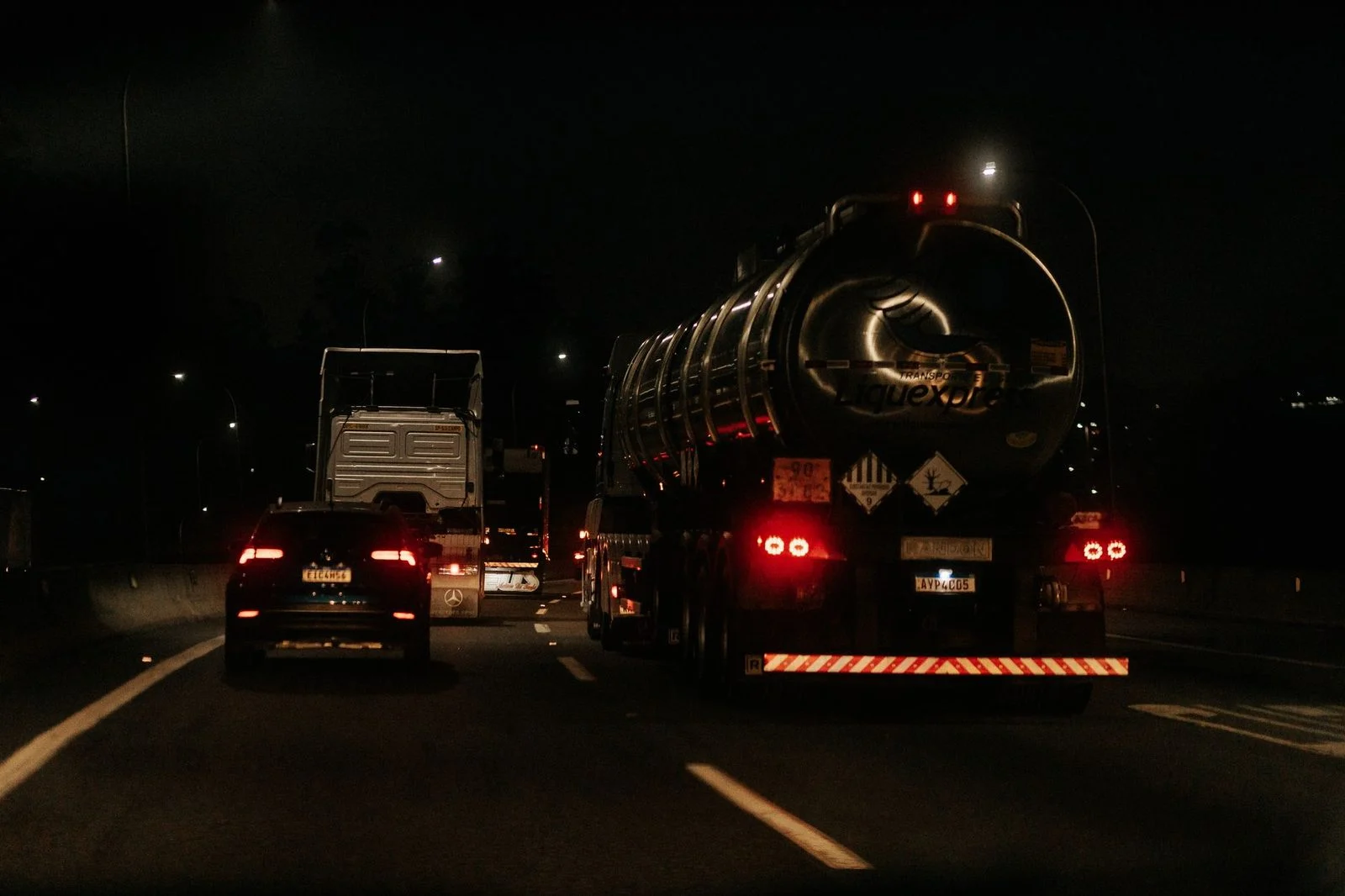
A truck crash creates records in three places: at the scene, at the trucking company, and inside the truck. Federal rules generally require a motor carrier operating commercial motor vehicles to install an electronic logging device (ELD) and require its drivers to use it to record duty status, though manual recording is allowed in certain cases (49 CFR 395.8). The starting list looks like this:
- Crash and police reports
- ELD data and driver hours records
- Dashcam or forward-facing camera video
- Vehicle data, including the onboard data module
- Scene photos, 911 records and witness contact details
This list is a starting point. Which items matter most depends on the facts of the crash. Ask for each item by name, because a general request for “the file” may leave out the data you need.
If records from a Chef Menteur Highway crash are weighing on you, we can talk through which ones matter most, with a free, confidential consultation and no obligation to continue. Talk it through with our team — the first consultation is free, confidential, and carries no obligation.
Which trucking company and driver records are at risk of being lost?
Records the trucking company controls are the ones to ask about first. They can be changed or discarded if no one asks for them to be kept. Federal rules bar a carrier from altering or erasing original hours-of-service information (49 CFR 395.30). Still, a written request makes your family’s wishes clear.
Federal rules also bar a motor carrier from coercing a driver to make a false certification of the driver’s data entries or record of duty status (49 CFR 395.30). Camera footage, GPS data and dispatch messages may also exist. Ask for each one by name.
Carriers must keep a driver qualification file for each driver. After a serious truck or commercial vehicle crash, whether the driver was tested for alcohol and drugs, and what the employer’s records show, can be an important question to look into.
The carrier, its insurer and the driver may each hold different pieces. Ask each one separately.
What evidence should a family look for at the scene and in public records?
Start with the police crash report, its report number, and the agency that investigated. That agency must send a copy to the state Department of Transportation and Development within 48 hours after it finishes the investigation (La. R.S. 32:398).
Crash reports are confidential, but upon request they must be made available to the parties to the crash, their succession representatives and the attorneys of either, among others, within seven working days after the investigation is complete (La. R.S. 32:398).
Police agencies must give any interested person copies of crash photos and video on request. They may charge a reasonable fee (La. R.S. 32:398).
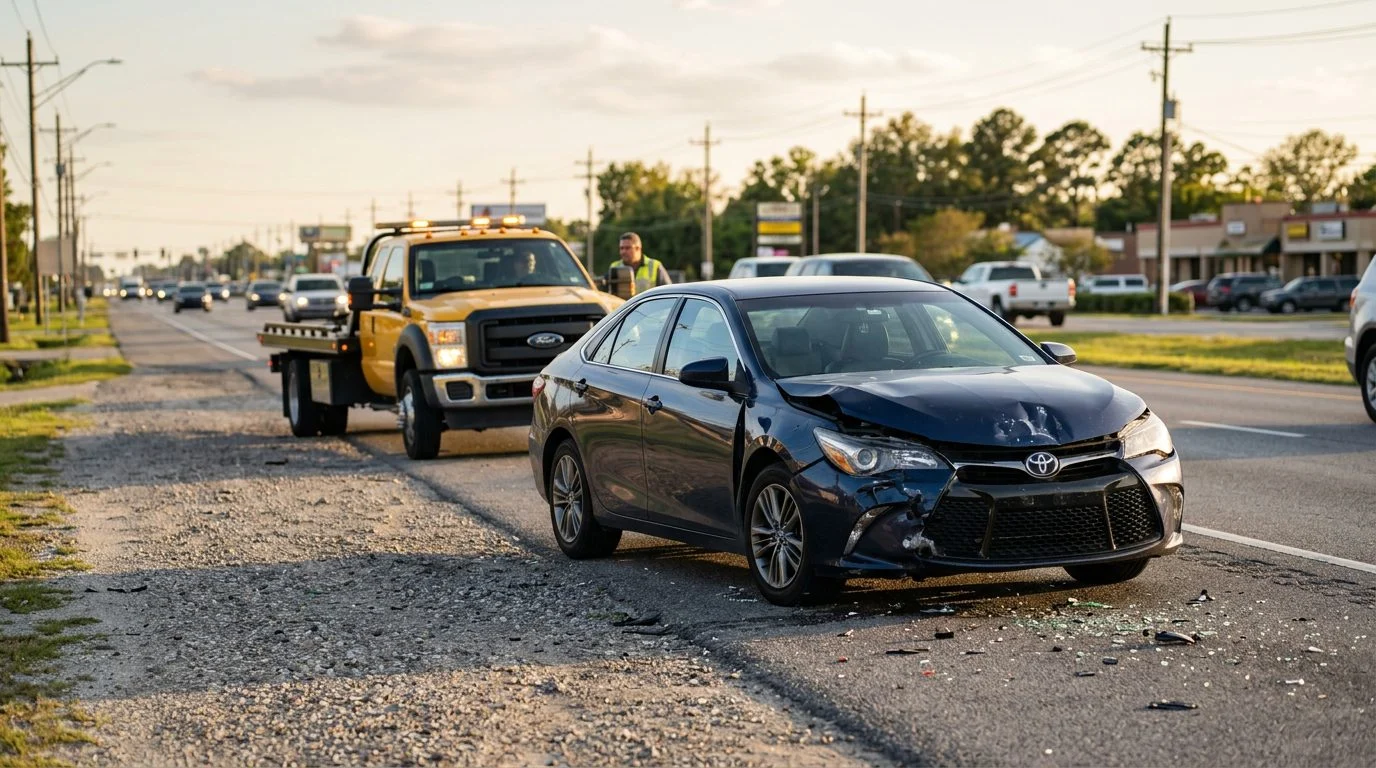
Scene photos capture lane markings, signs and posted speed on Chef Menteur Highway before conditions change. Note 911 call records, any nearby business or traffic camera footage, and witness names and phone numbers. Some camera systems record over old footage, so ask early.
Physical evidence such as broken glass, paint and fibers should be preserved. It gives objective evidence that stays available for analysis (Louisiana State Police forensic guide).
Ask the carrier in writing not to repair or scrap the truck, its damaged parts or its onboard data module.
What steps can a family take now to help preserve this evidence?
Keep every record in one place, unchanged, and send a written preservation request early.
- Keep documents, photos, bills, texts and voicemails together. Make copies, and leave the originals untouched.
- Send a written preservation request to the trucking company and its insurer. List ELD and hours records, camera video, dispatch messages, maintenance and inspection records, driver files, post-accident test records and the truck itself.
- Keep a simple log of every call, letter and visit. Write down the date, the person and what was said.
- Write down what you remember: date, time, weather, traffic and lane position. Do this while memory is fresh, and keep the notes private.
- Be careful on social media. Don’t post about the crash, the driver or the company, because posts can be found and used later.
How can a free consultation with American Trial Lawyer help with these questions?
A free, confidential consultation can help your family sort out which records matter in your situation.
If your family is dealing with a fatal truck crash on Chef Menteur Highway, you may be trying to track records while you grieve. American Trial Lawyer handles truck and commercial vehicle accident matters and wrongful death cases. Przemek Lubecki, a trial lawyer, is responsible for this page’s content, and the firm’s office is in New Orleans.
The firm may associate or refer a case to other law firms.
To talk through the records in your family’s situation, request a free case evaluation or call 855-LUBECKI.
Is there a deadline to file a wrongful death lawsuit in Louisiana?
Yes. La. Civ. Code art. 2315.2 says that if a person dies due to the fault of another, suit may be brought by the following family members to recover damages: the surviving spouse and children; the surviving parents, if the deceased left no spouse or child surviving; the surviving siblings, if the deceased left no spouse, child, or parent surviving; or the surviving grandparents, if the deceased left no spouse, child, parent, or sibling surviving. The suit must be filed within one year from the death or two years from the injury, whichever is longer.
Is a written preservation request enough?
It makes clear in writing what your family asks the carrier to keep. Keep your own copies of everything, too.
What if the truck has already been repaired?
Keep all repair, towing and storage paperwork you receive. Bring it to your consultation so the records can be reviewed.
What to Preserve Right Away
Photos and video
Photograph the vehicles, the roadway, skid marks, debris, lighting and any road signs or work zones, from several angles and at different times of day.
Crash and police reports
Keep every report, citation and exchange of information, along with the names and badge numbers of responding officers.
Witness details
Write down names and phone numbers of anyone who saw the crash or arrived soon after, while memories are fresh.
Medical records
Save emergency, follow-up and therapy records, bills and notes on symptoms, since they show how the injuries developed over time.
Your own timeline
Write down what happened, what you remember about the trucks, the weather and traffic, and every conversation about the crash.
Be Careful With Statements
An insurance adjuster may ask you for a recorded statement soon after a truck crash. Before giving one, consider speaking with a lawyer about what to say and what to leave for later.
Where Key Truck Evidence Is Kept
The driver
Trip logs, electronic logging device data, cell phone records and dash camera footage may show where the truck was and how it was being driven.
The trucking company
Driver qualification files, maintenance and inspection records, dispatch communications and training files can help explain how the truck was operated and kept.
The vehicle
Event data recorders, brake and tire condition, cargo weight and damage to the vehicles can help reconstruct the crash.
Public and third-party sources
Traffic cameras, business surveillance video, roadway and work-zone records and 911 call logs may be available for a limited time, so asking early matters.