
Car Accidents | New Orleans, Louisiana
Hurt in a Parking Lot Crash? Get Clear Answers About Your Insurance Claim
A crash in a store lot or garage can raise the same insurance questions as a crash on the road. Here is how to think them through, and when it makes sense to talk with a trial lawyer.
By Przemek Lubecki · Published November 21, 2026
You may have walked back to your car and found new damage, with no one around. Or you may be asking this for a family member.
Yes, a parking lot crash can generally support an insurance claim. Who pays turns on fault, which policies apply, and what proof exists.
Can You File an Insurance Claim After a Parking Lot Crash?
A claim usually runs through one or more of three insurance paths.
- The other driver’s liability insurance, if that driver caused the crash.
- Your own collision coverage, if your policy includes it.
- Your uninsured motorist coverage, if the other driver is unknown or uninsured.
Which path applies turns on the facts and on your policy. Your declarations page lists what you carry. For the broader picture, read our guide to car accident claims in Orleans Parish.
If your parked car was hit and the driver is gone, we're glad to talk through your options with you. Talk it through with our team — the first consultation is free, confidential, and carries no obligation.
How Is Fault Decided in a Parking Lot Collision?
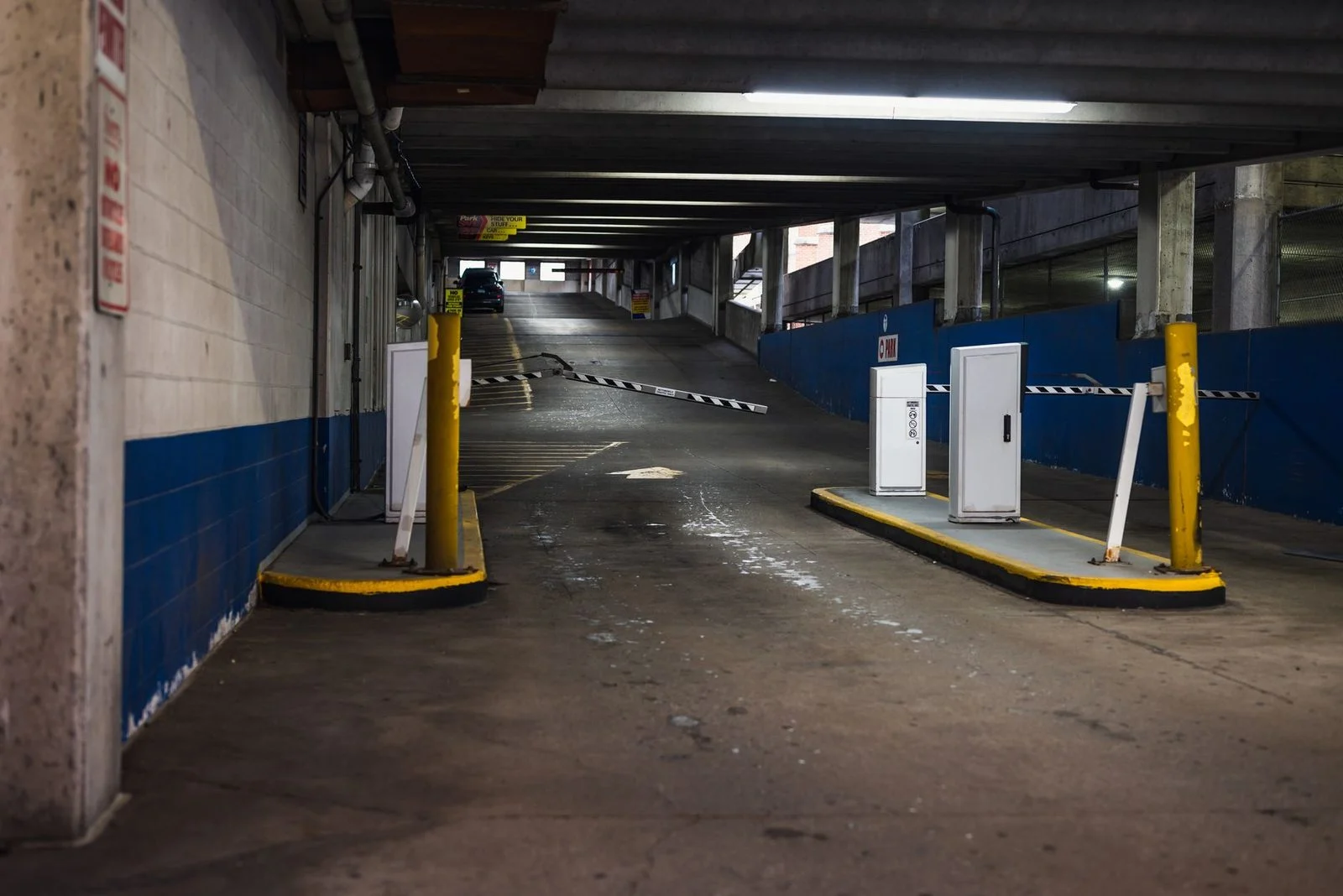
Fault turns on what each driver did, such as backing out, turning, or driving through the aisle. Under La. Civ. Code art. 2316, a person is responsible for damage caused by negligence, imprudence, or want of skill.
Common lot collisions include:
- A car backing out of a space and hitting a vehicle passing through the aisle.
- A driver turning into a space and hitting a parked car.
- A door or shopping cart impact, where it’s unclear who caused the damage.
Louisiana uses comparative fault, so more than one driver can share blame. For crashes on or after January 1, 2026, a person found 51% or more at fault recovers no damages. A person found less than 51% at fault recovers damages reduced by their own share. Under La. Civ. Code art. 2323, the fault of all persons involved is determined, whether or not they are parties. Your own account, photos, and witness names help show what happened.
What Should You Do When Your Parked Car Was Hit and the Driver Left?
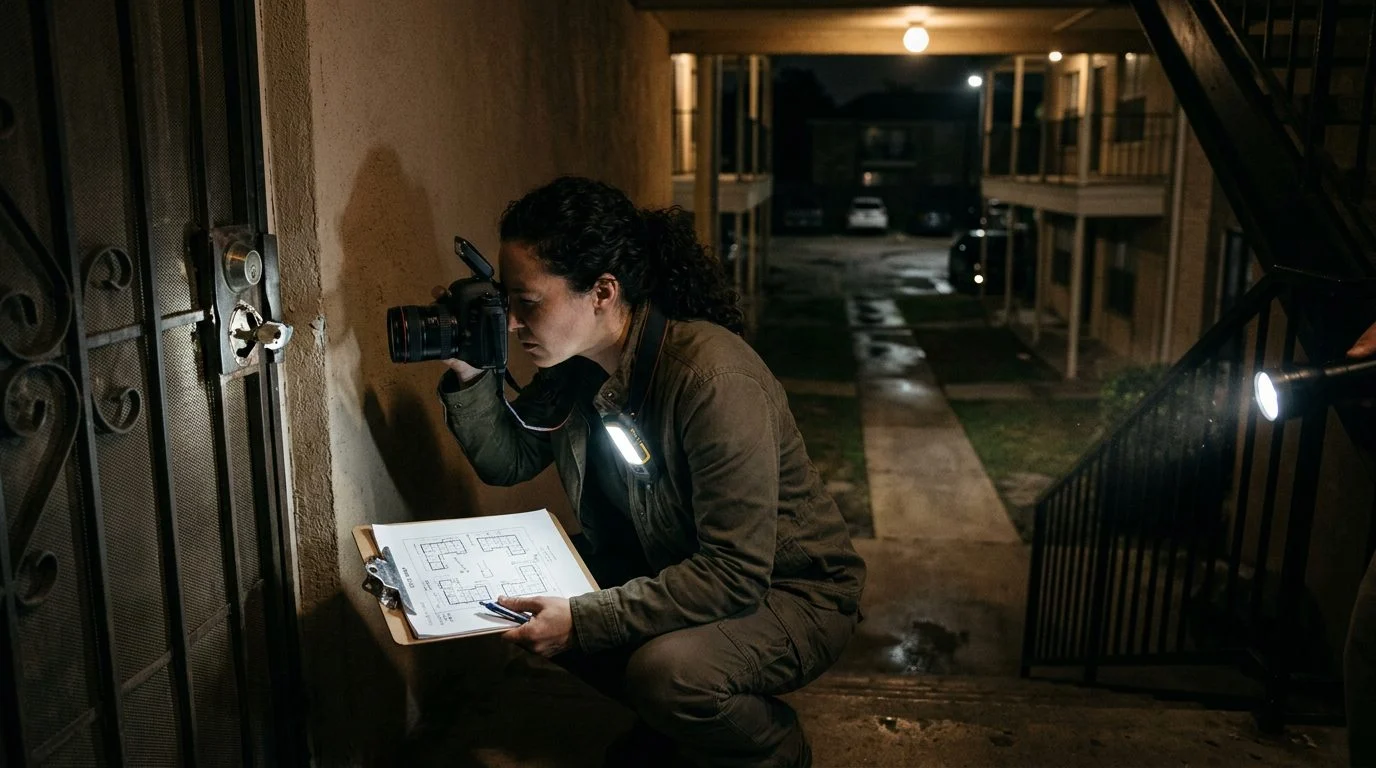
Document the damage and the scene first, then report the crash to your own insurer. Take photos of the damage, the car’s position, and the lot markings. Write down the date, time, and location.
Look for witnesses. Ask the property owner or business to keep any security footage, and ask soon, since footage is often kept only for a limited time.
Under La. R.S. 32:398, a driver involved in a crash resulting in injury to or death of any person, or property damage in excess of five hundred dollars, must give his name, address, and the registration number of the vehicle he was driving to any person injured in the crash, or to the driver or occupant of, or person attending, any vehicle or other property damaged in the crash. A police report, when one is made, helps document the event.
If the other driver can’t be identified, your own uninsured motorist coverage may apply.
Whether to pay for the damage yourself or go through insurance depends on the size of the damage, your coverage, and whether anyone was hurt. Compare repair estimates with what your own coverage would pay after any deductible.
What Evidence Helps a Parking Lot Claim?
The strongest proof shows where the cars sat, which way they were moving, and what the damage looks like. Photos of both vehicles, the lot markings, and the damage pattern all help. So does a simple sketch of where each car was.
Write down what each driver said at the scene while it’s fresh. Collect the names and phone numbers of any witnesses. Statements made in the moment can matter later, so record them rather than rely on memory.
If you were hurt, get checked by a medical provider and keep every record. Injuries can show up hours or days after a crash. Note the time you left the lot and any calls you made afterward.
Keep repair estimates, rental receipts, and letters from insurers in one folder. A clear timeline makes each step easier to follow.
What Mistakes Make a Parking Lot Claim Harder?
The biggest risks come from speaking too soon and settling before you know the full damage.
- Recorded statements. An adjuster may ask for one. You can ask for time to review the facts first. If you gave a written or recorded statement about an injury, La. R.S. 13:3732 requires any person who took it or has possession of it to furnish you a true and complete copy within twenty days after written demand, and if they refuse, that statement cannot be admitted in evidence or otherwise used in any related civil action. La. R.S. 13:3732
- Quick offers. A fast offer for the car may not reflect injuries that appear later. Under La. R.S. 22:1290, a settlement under a vehicle liability policy for a claim against an insured for damage to or destruction of property owned by another person is not treated as an admission of liability by the insured, or as the insurer’s recognition of liability, on other claims from the same accident.
- Casual remarks. Saying “it was my fault” at the scene can end up in the claim file. Stick to the facts you saw.
- Late action. Louisiana generally gives two years to file a suit for injury or damage, counted from the day it happened. See La. Civ. Code art. 3493.1. Uninsured motorist claims follow La. R.S. 9:5629, which also sets two years from the accident date. Some exceptions exist, so raise timing questions early.
- Notice. Your own policy may set reporting timelines. Prompt notice is generally wise.
Do You Need a Police Report to File?
A police report helps document the crash. Photos, witness names, and the other driver’s details help too.
How Long Do You Have to File in Louisiana?
Louisiana generally allows two years from the day the injury or damage happened (La. Civ. Code art. 3493.1). Some exceptions apply.
Talk With American Trial Lawyer About Your Parking Lot Crash
You don’t have to work out fault, coverage, and deadlines alone. Maybe you’re dealing with damage you didn’t expect, a driver who left, or an injury that showed up later. Maybe you’re asking for someone you love.
American Trial Lawyer, LLC is a trial firm in New Orleans. Przemek Lubecki is the responsible lawyer for this page, and our office is in New Orleans, Louisiana. Our team handles car accident matters and may associate or refer a case to other law firms.
The first consultation is free, confidential and without obligation to continue.
If your parked car was hit and the driver is gone, we’re glad to talk through your options with you. Call 855-LUBECKI or request a free case evaluation.
How We Can Help
Plain-language guidance
We explain how an insurance claim works after a parking lot crash, in terms you can use before you make any decisions.
Confidential first talk
The initial consultation is free, confidential and without obligation to continue.
Responsible lawyer
Przemek Lubecki is the responsible lawyer for this page. Our office is in New Orleans, Louisiana.
Clear about referrals
The firm may associate or refer a case to other law firms. If that is likely in your matter, we will explain it before you decide.
Be Careful With Early Statements
Before you give a recorded statement or sign anything from an insurance company, consider talking with a lawyer about your injuries and the facts of the crash. Early comments can be used later in ways you may not expect.
Helpful Steps After a Parking Lot Crash
Document the scene
Photos of both vehicles, the spot where the crash happened, and any damage or debris can be very useful later.
Collect names and details
Write down the other driver's name, contact information and insurance details, and ask for the names of any witnesses.
Get checked by a doctor
Some injuries appear hours or days later. A medical evaluation creates a record of what you experienced.
Keep a written record
Save receipts, repair estimates, medical bills and notes about missed work, along with every letter from an insurer.